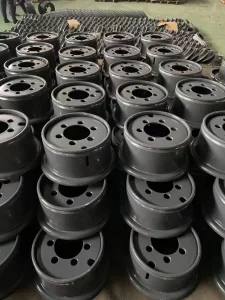
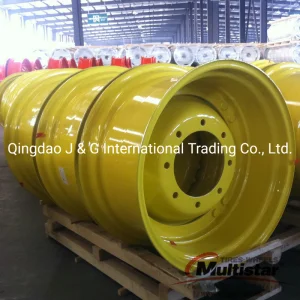
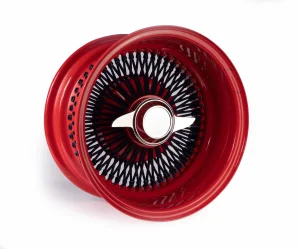
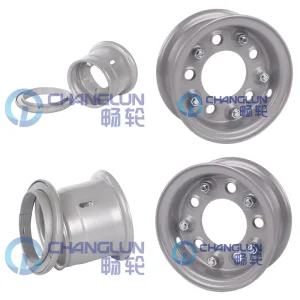
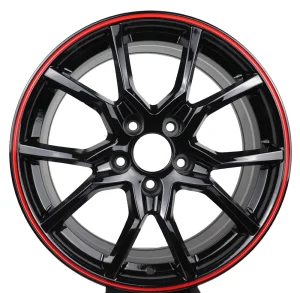
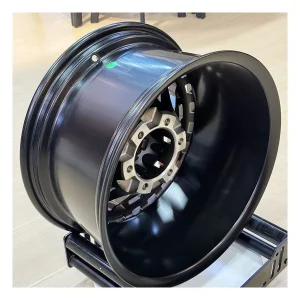
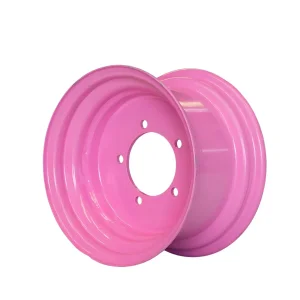
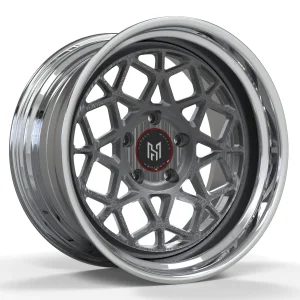
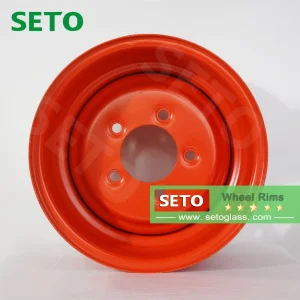
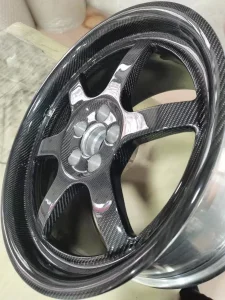
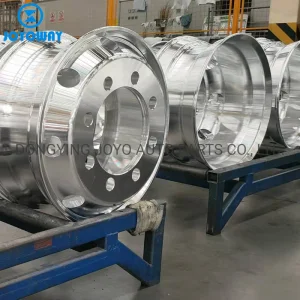
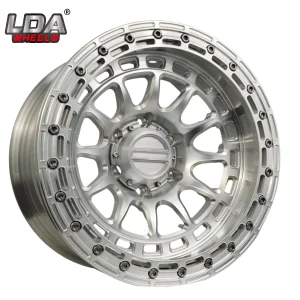
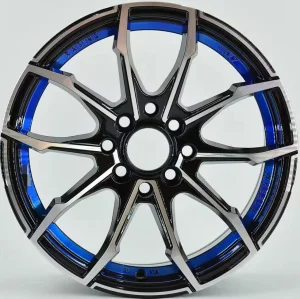
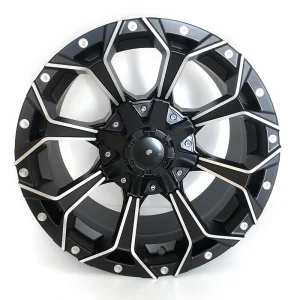
Explore our select collection of commercial truck wheels, heavy-duty industrial tires, and custom performance rims manufactured in our state-of-the-art facilities.
An authoritative analysis of metallurgy, structural engineering configurations, and OEM parameters for heavy industrial and automotive fleets.
In the global arena of transportation and material handling, the structural integrity of wheels is non-negotiable. Modern supply chains depend heavily on logistics systems capable of running uninterrupted under severe payloads. High-performance wheel assemblies, especially steel split-rims and lightweight forged alloy configurations, directly dictate the uptime, safety, and energy conservation indices of commercial fleets.
As a premier China wholesale wheel manufacturer, we produce custom-engineered units designed to mitigate the effects of dynamic rotational stress, high thermal loads from prolonged braking, and abrasive road conditions. By deploying optimized metallurgy and stress-relieved geometrical profiles, we ensure our global clients achieve lower operational expenditures per mile.
The transition toward low-emission logistics and high-efficiency agricultural operations has shifted the technical paradigms of global wheel sourcing. In North America and Europe, fleet operators prioritize lightweight aluminum wheels that reduce curb weight, thereby increasing net cargo capacity and improving fuel economy.
Meanwhile, emerging markets in Southeast Asia and South America demand heavy-duty, high-tensile steel options capable of enduring rough terrains and heavy payloads. Our production facility bridges these market variances by providing versatile, certified wheel assemblies optimized for distinct geographic operating profiles.
Operating across diverse industrial sectors requires strict adherence to localized compliance structures. Forklift split rims must conform to extreme safety tolerances due to high pneumatic pressure risks, while agricultural tractor wheels require specific spacing configurations (such as W and DW profiles) to protect soil structures and optimize tractive efficiency.
We align our engineering designs with global standards, ensuring that every wheel delivered meets or exceeds the regulatory benchmarks established by the countries in which our customers operate.
Founded in 2003, Zhengzhou Jersey Auto Co., Ltd. is a leading manufacturer specializing in the design, production, and export of high-quality truck wheels. Our extensive range of products includes tubeless truck wheels, tube truck wheels, lightweight truck wheels, and aluminum truck wheels.
We are committed to upholding the highest industry standards and have obtained IATF 16949 certification, SMITHERS RAPRA certification, and American DOT certification, which guarantee our products meet global safety, quality, and performance requirements. Our wheels are exported to a wide range of international markets, including North America, South America, Southeast Asia, Russia, the Middle East, and Africa.
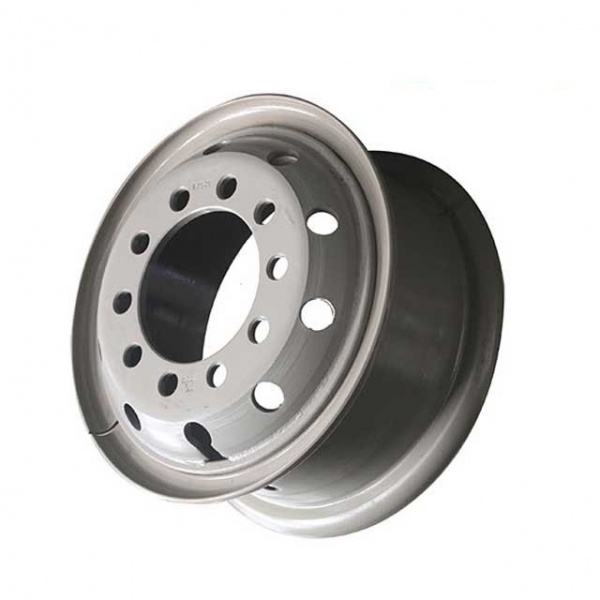
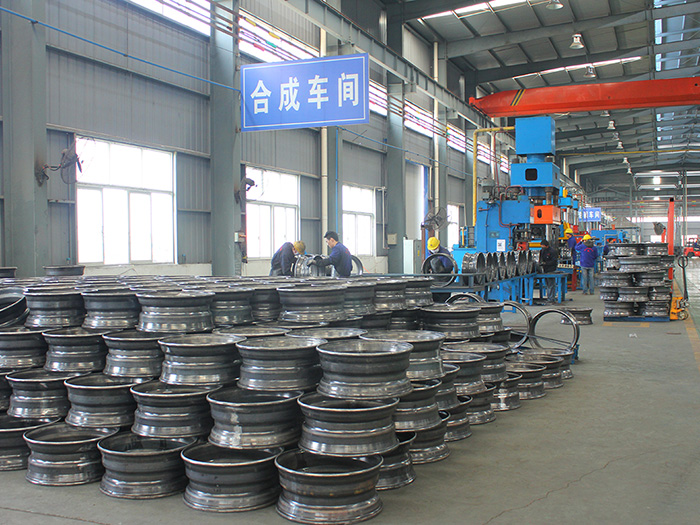
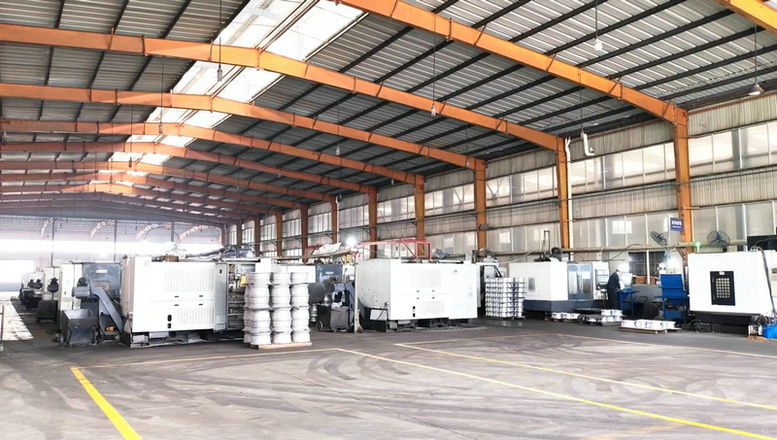
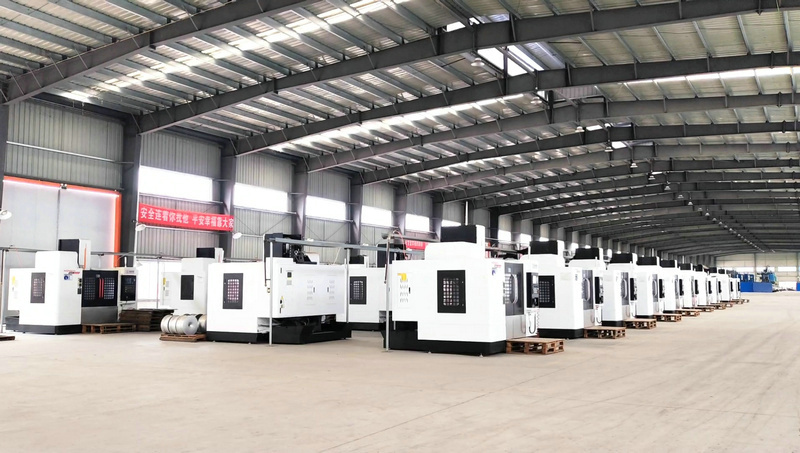
With over 16 years of experience in the wheel manufacturing industry, Zhengzhou Jersey Auto Co., Ltd. operates a 40,000-square-meter production base and holds 20 patents for innovative designs and technology. We continue to lead the industry by advancing our manufacturing processes and enhancing product quality.
Our products are widely recognized in markets across North America (20%), South America (30%), and Southeast Asia (40%), while the remaining 10% is distributed to regions such as Russia, Africa, and the Middle East. Our international reach allows us to serve a broad array of customers and industries globally.
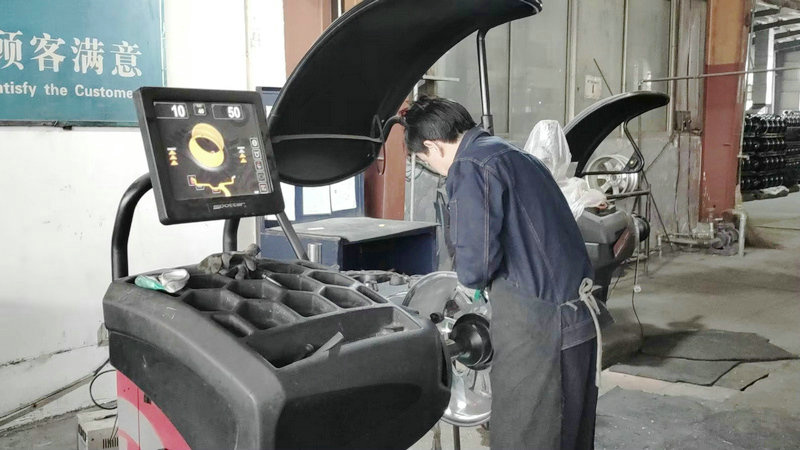
We have implemented strict quality control processes at every stage of production, from raw material selection to final inspection. This ensures that every wheel leaving our factory meets the highest standards of durability, safety, and performance.
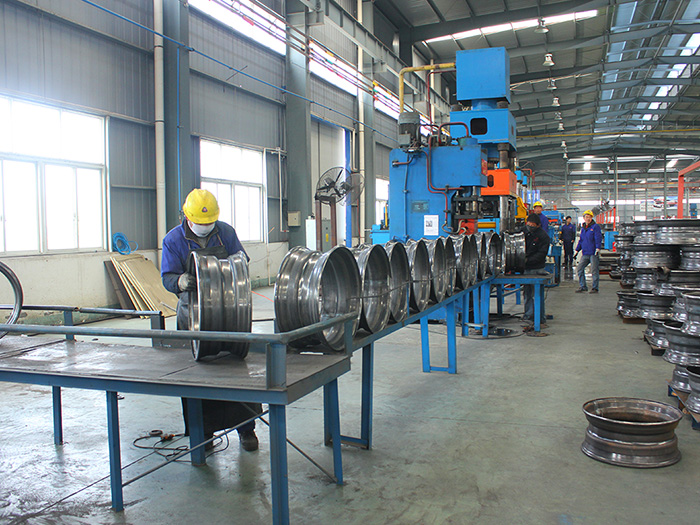
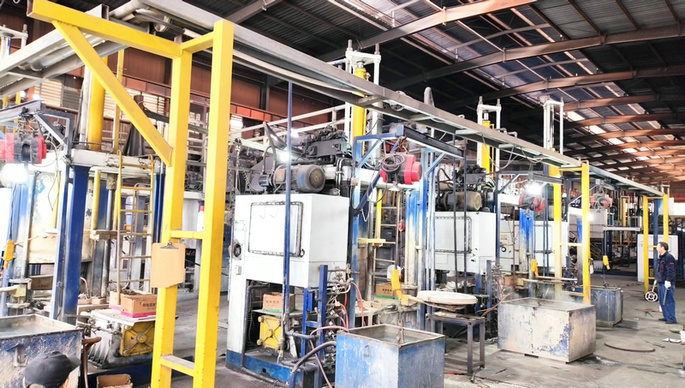
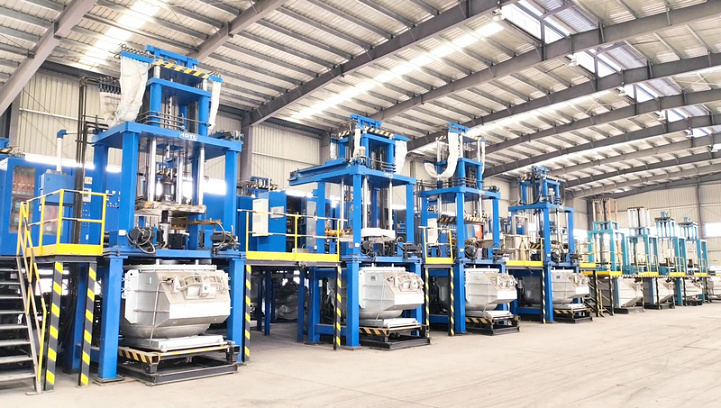
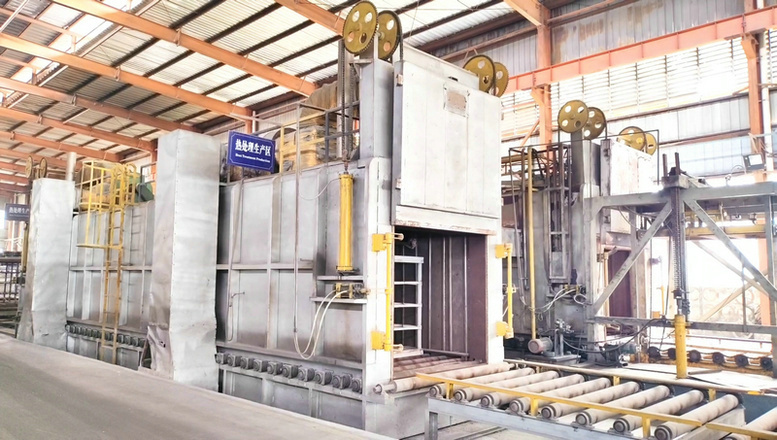
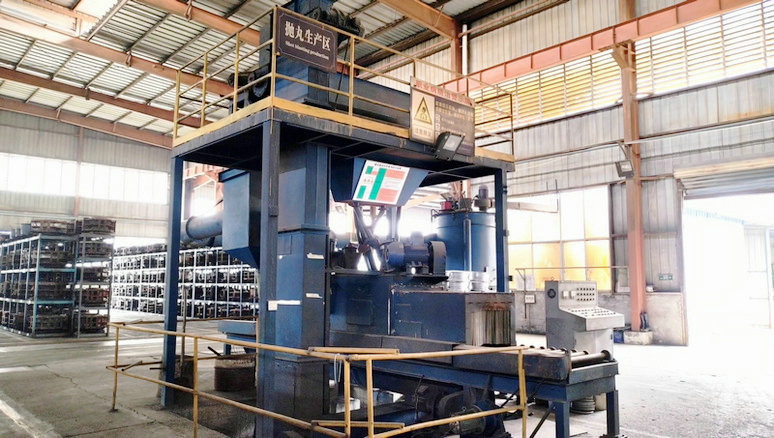
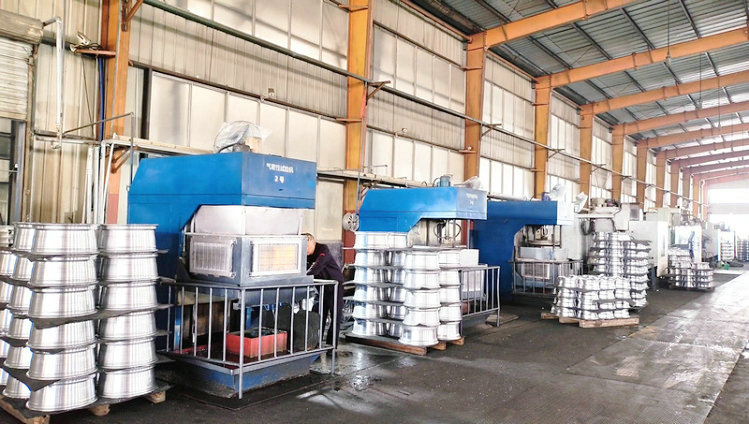
A granular perspective on our proprietary 13-stage manufacturing process, showcasing the balance of automated heavy metallurgy and optical-grade micro-testing.
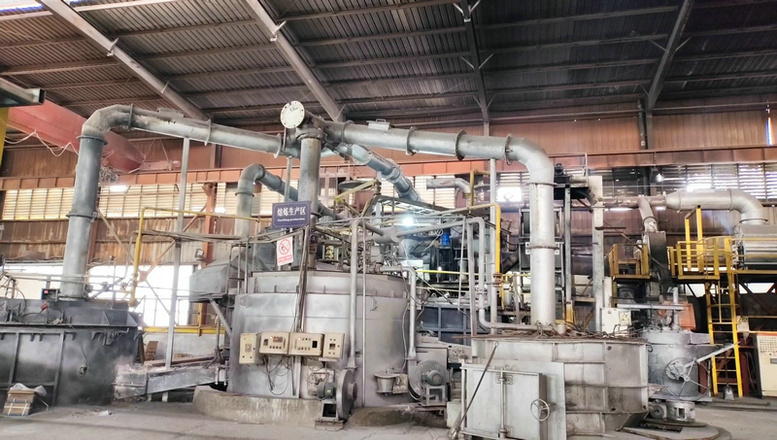
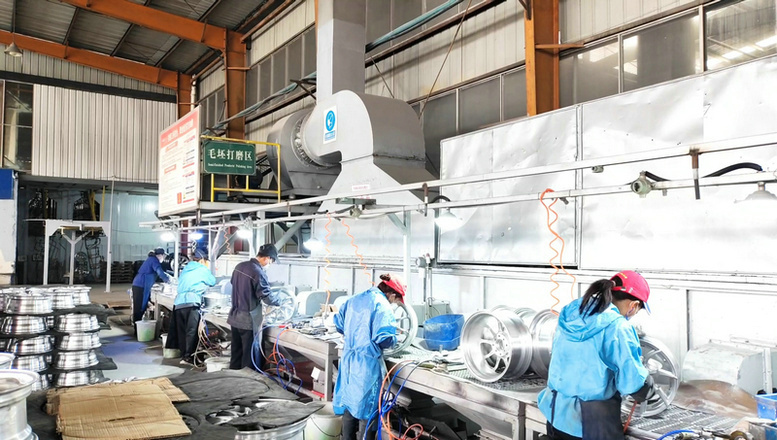
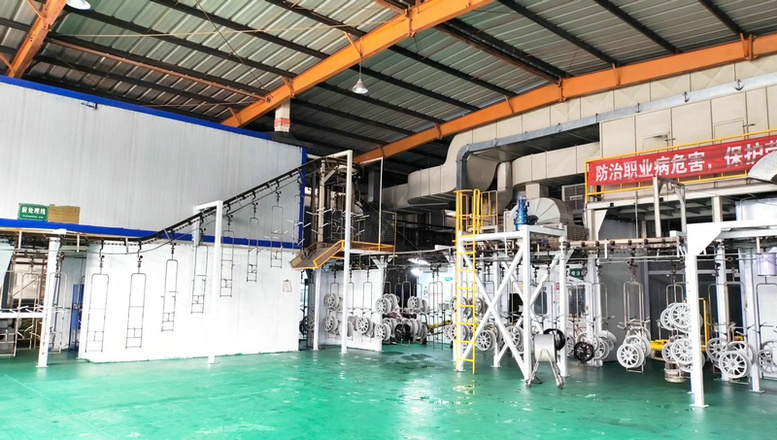
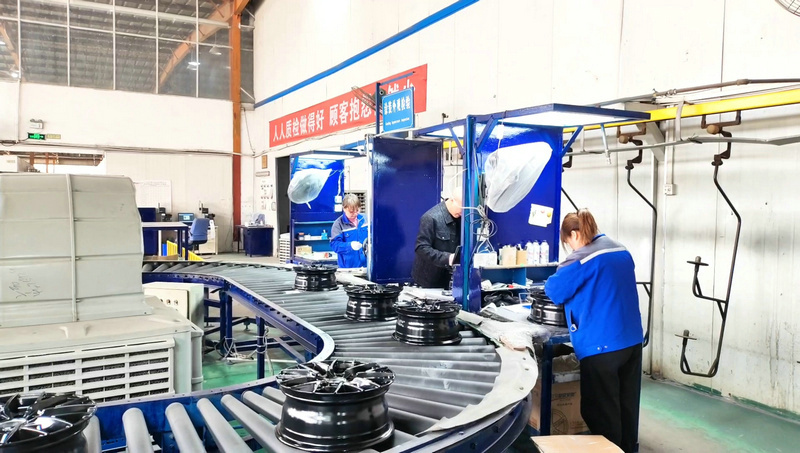
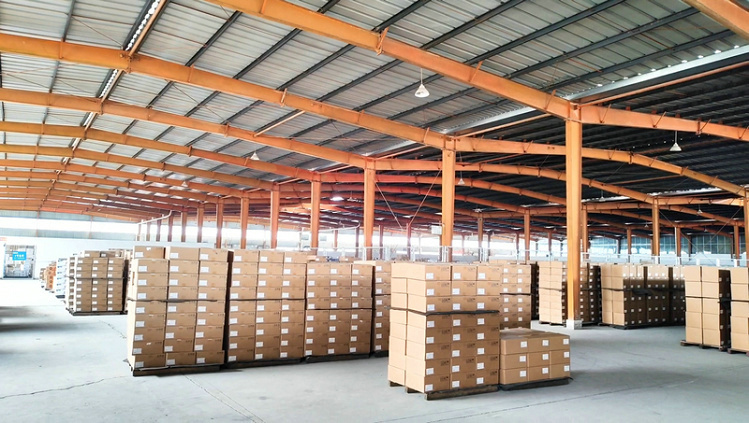
Analyzing localized demands, safety requirements, and upcoming technological shifts in material science.
The commercial transportation sector accounts for a significant portion of global greenhouse gas emissions. In response, modern engineering must focus on structural optimization. Under our sustainable practices initiative, we utilize finite element analysis (FEA) to reduce structural deadweight without compromising the wheel’s maximum structural load limit.
By transitionally upgrading standard structural designs to high-performance alloys, we help global distributors supply wheels that lower fuel consumption and tire wear. Furthermore, our closed-loop recycling program ensures that aluminum shavings and scrap generated during the CNC lathe machining phase are immediately sent back to smelting furnaces, reducing raw-material energy footprint by over 30%.
Sourcing industrial products internationally requires robust compliance and localization support. We offer comprehensive engineering documentation including full material data safety sheets (MSDS), mill test certificates, and compliance declarations.
For countries with strict anti-dumping regulations or unique customs verification schemes (e.g. Saber/SASO for Saudi Arabia, Inmetro for Brazil, or CE marking for Europe), our specialized regulatory department prepares pre-clearance documentation packages. This proactive approach eliminates logistics delays and ensures that wholesale batches are cleared without friction.
Our R&D team is currently focusing on three key technology frontiers:
Critical engineering considerations, product safety inquiries, and global procurement questions answered by our leading developers.
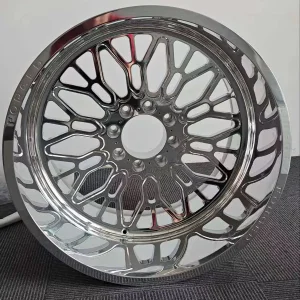
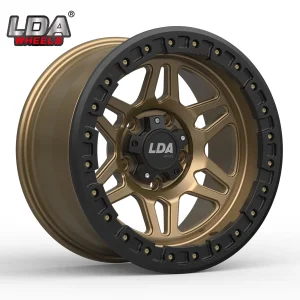
Discover our range of forged, beadlocked, alloy, and replica wheel configurations designed to support global supply and distribution requirements.
We welcome distributors, vehicle manufacturers, and fleet operations managers to explore potential cooperation. Contact us today to receive detailed technical specifications, custom CAD options, and wholesale quotes tailored to your logistical requirements.
 Jersey Auto