Advanced structural cast aluminum wheel solutions engineered to withstand Rwanda's mountainous terrain and long-distance transport routes.
As a rapidly developing landlocked country in East Africa, Rwanda represents a highly strategic corridor for logistics and regional trade. With the expansion of the Kigali Special Economic Zone (KSEZ), the national demand for heavy-duty commercial freight vehicles and reliable public transit solutions has surged exponentially.
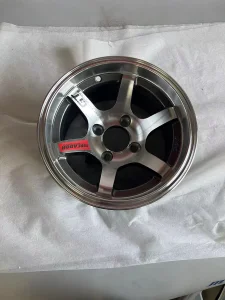
Rwandan transport networks operate across challenging geographical profiles, featuring steep terrains and variable road conditions that link Kigali to regional corridors like Dar es Salaam and Mombasa. In this context, vehicle component selection is critical. Traditional steel wheels often struggle under dynamic stress levels, resulting in shorter life cycles and accelerated suspension wear. Transitioning to high-quality cast aluminum wheels has become a key method for fleet operators to lower operating costs, improve fuel economy, and guarantee safety.
Furthermore, Rwanda's alignment with East African Community (EAC) vehicle emission standard reduction goals requires a strict approach to vehicle weight minimization. Lightweight cast aluminum alloy components offer the mechanical strength needed to carry heavy payloads while reducing unprung mass, supporting both conventional and electric vehicles.
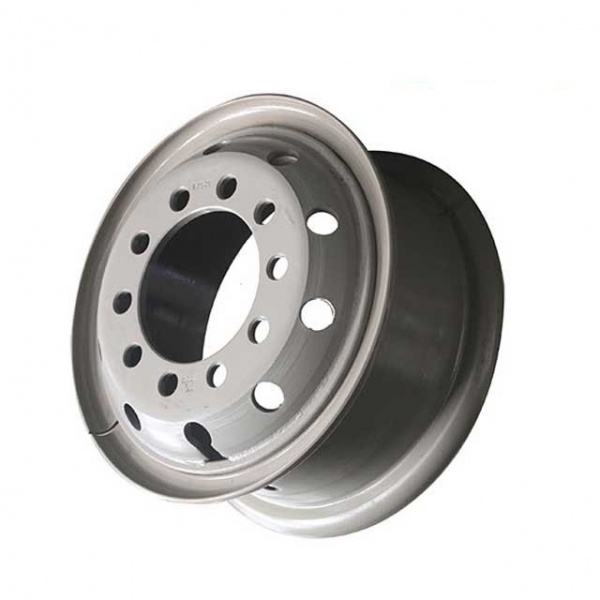
A deep dive into the engineering paradigms, alloy compositions, and structural validation workflows driving next-generation performance.
Our aluminum casting processes use premium A356.2 aluminum-silicon-magnesium alloys. After receiving the T6 heat treatment (solution heat treating and artificial aging), the wheels achieve an optimal balance of high yield strength, elongation properties, and excellent corrosion resistance.
We combine Low-Pressure Die Casting (LPDC) and High-Pressure Die Casting (HPDC) to construct components with minimal internal porosity. For high-stress applications, our flow-forming process refines the grain structure of the aluminum, mimicking the tensile resilience of forged products.
Every wheel is subjected to X-ray real-time imaging systems, radial load fatigue testing, rotary bending fatigue testing, and 13-degree impact dynamic testing. This ensures zero-defect delivery and compliance with international safety norms.
Founded in 2003, we are a leading manufacturer specializing in the design, production, and export of high-quality truck and passenger wheels.
With over 16 years of experience in the wheel manufacturing industry, Zhengzhou Jersey Auto Co., Ltd. operates a modern 40,000-square-meter production base and holds 20 patents for innovative design and manufacturing technologies. We continue to lead the industry by advancing our manufacturing processes and enhancing product quality.
Our commitment to quality is supported by our adherence to international certification standards, including IATF 16949 certification, SMITHERS RAPRA certification, and American DOT certification. These guarantee that our products meet global safety, quality, and performance requirements, whether they are destined for long-haul shipping routes in North America, rough mining sites in South America, or the expanding transport networks of East Africa.
To ensure structural integrity and a premium finish, we manage all primary manufacturing stages in-house. Our facilities handle raw aluminum melting, casting, precision CNC machining, non-destructive testing, and final powder coating.
Sqm Production Base
Patents & Designs
IATF 16949 Audited
Market Share in Southeast Asia
A step-by-step tour through our manufacturing process, ensuring transparency and reliability at every stage.
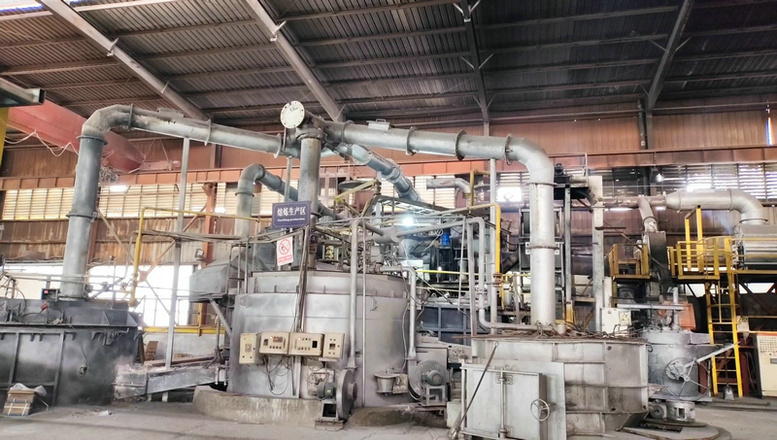
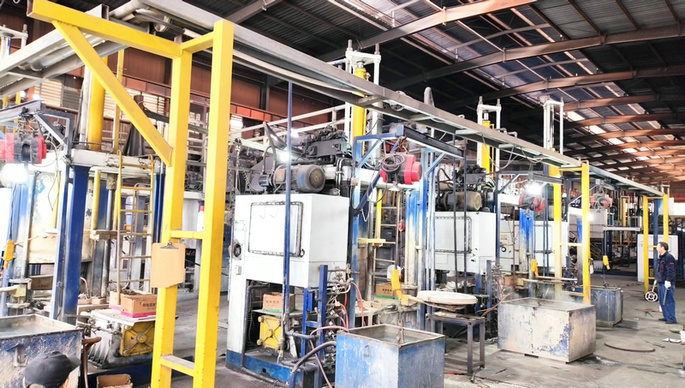
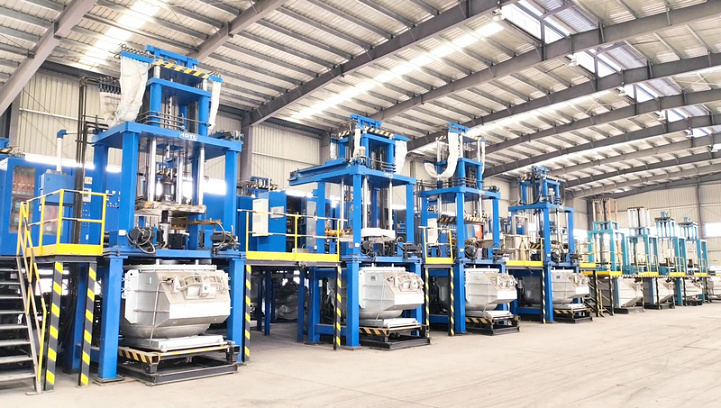
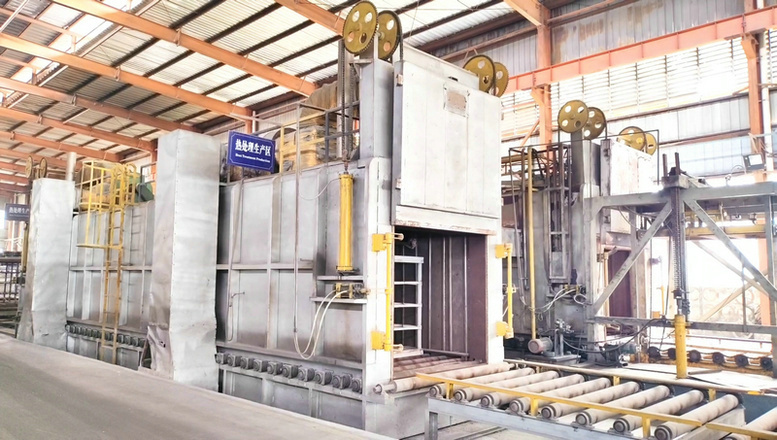
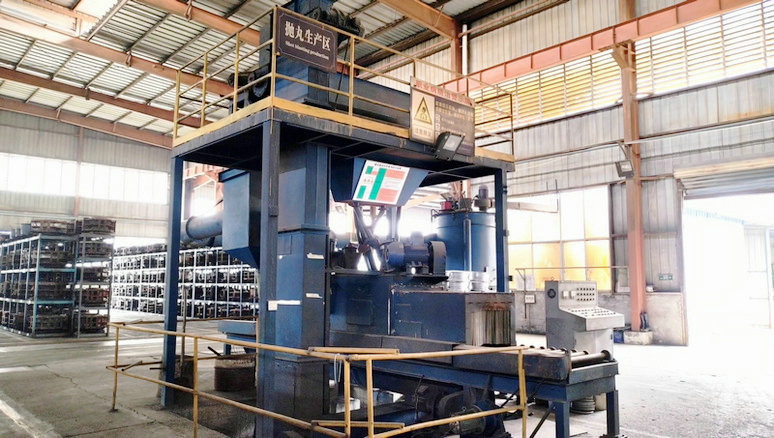
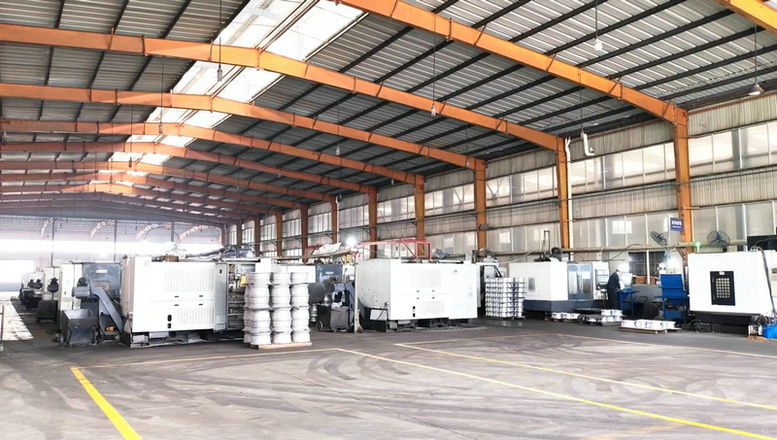
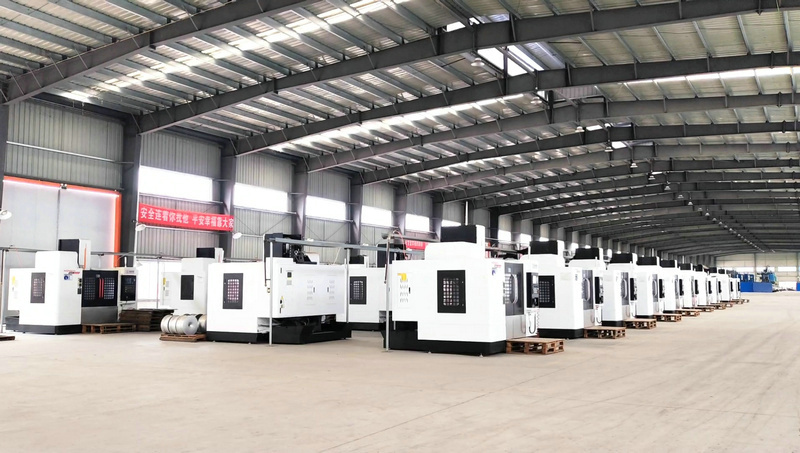
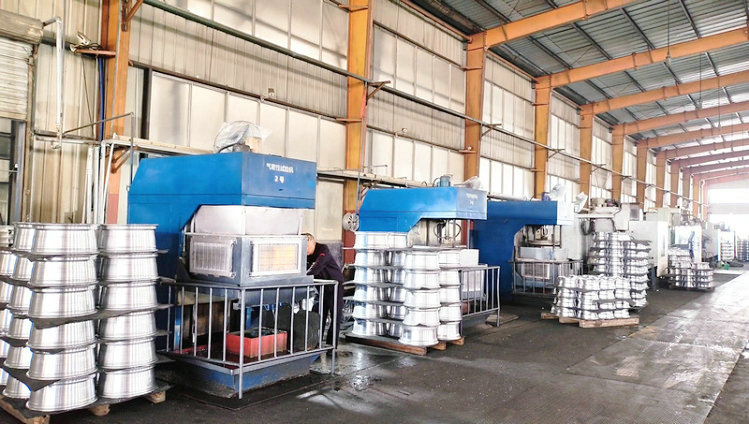
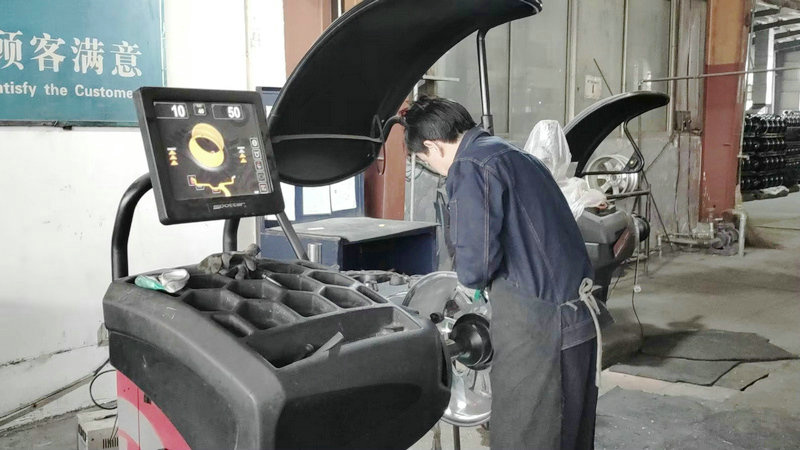
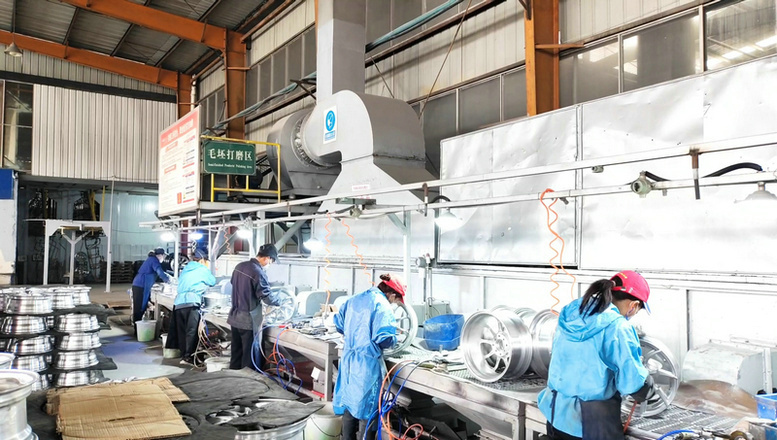
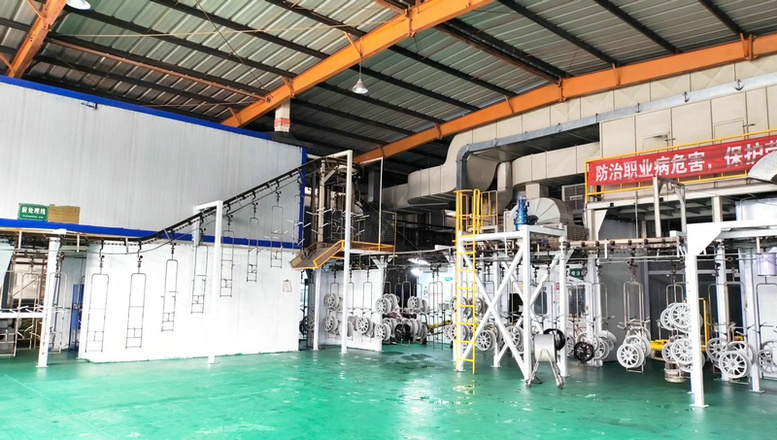
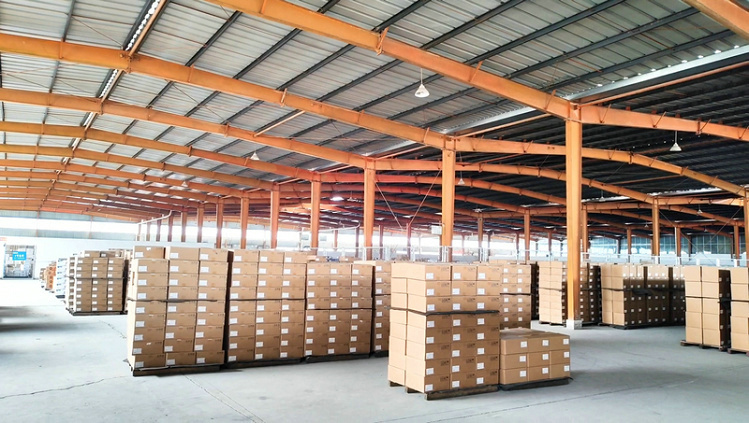
Utilizing high-end automation, digital quality tracking, and optimized shipping routes to guarantee reliable delivery to Rwanda.
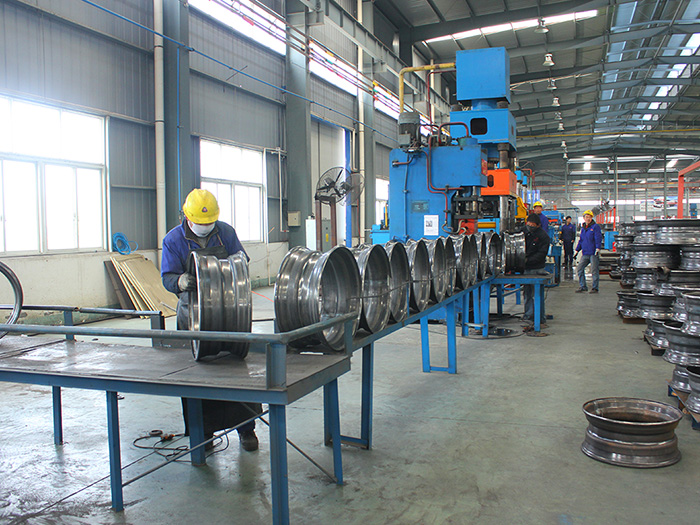
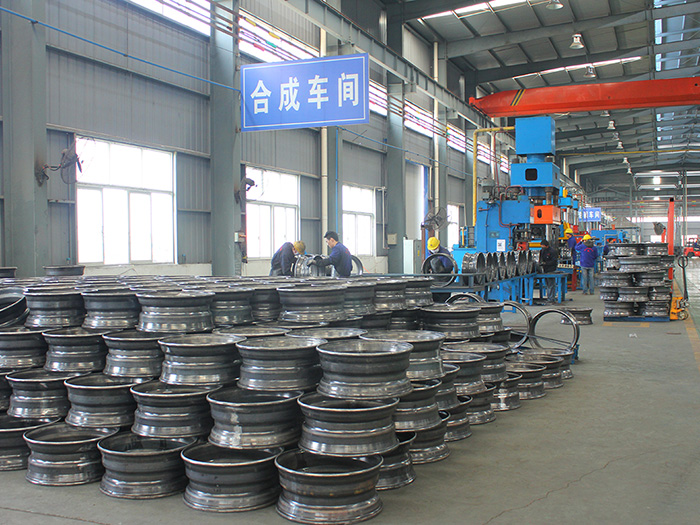
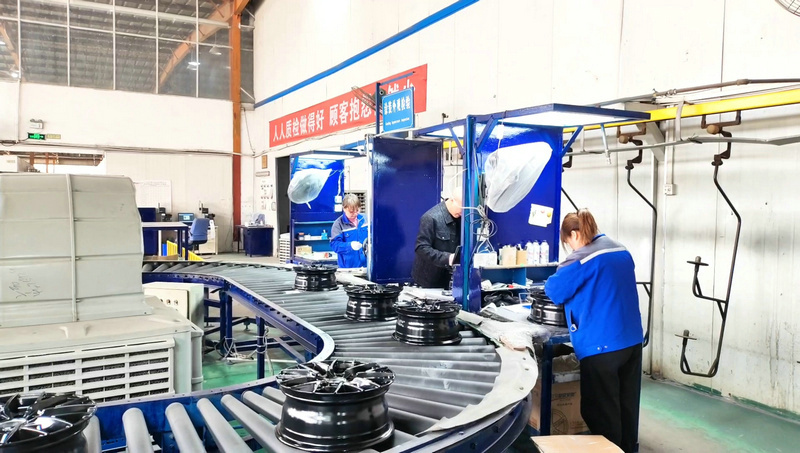
Our manufacturing plant leverages Industry 4.0 automation, incorporating robotic pouring arms, standardized multi-axis CNC machines, and integrated enterprise resource planning (ERP) software. This technology minimizes cycle times, guarantees batch-to-batch consistency, and reduces material waste, allowing us to maintain competitive pricing.
For African markets, especially landlocked regions like Rwanda, supply chain transparency is essential. We address transport logistics by coordinating containerized freight from major Chinese ports directly to the ports of Dar es Salaam in Tanzania or Mombasa in Kenya. From these coastal hubs, products are transported overland via the Central and Northern Corridors directly to Kigali. We handle all export documentation, custom tariff clearances, and transit insurance to prevent shipping delays.
Additionally, we maintain a buffer inventory of raw materials and standard wheel sizes. This inventory strategy allows us to maintain stable lead times, protecting clients from seasonal shipping rate hikes or raw material supply constraints.
Operating passenger transport fleets or commercial logistics in Rwanda requires strict compliance with regional regulations. All components must comply with standards defined by the Rwanda Standards Board (RSB), which are aligned with the East African Community (EAC) Harmonized Standards.
Our cast aluminum wheels are tested and certified to meet and exceed global criteria, including:
By providing full material traceability, product testing reports, and compliance certificates with every shipment, we help Rwandan importers clear customs smoothly, avoid dynamic compliance audits, and prevent counterfeit issues in the regional market.
For procurement managers sourcing aluminum alloy rims, we recommend validating manufacturers against these performance parameters:
Ensure the rated capacity of the wheel matches or exceeds the maximum gross axle weight rating (GAWR) of the target vehicle.
Verify the alloy composition (e.g., A356.2 T6) via spectroscopic testing certificates to ensure optimal tensile strength.
Confirm the factory conducts 100% X-ray scanning on cast wheels to identify and reject units with internal air bubbles or micro-cracks.
Comprehensive sizing, customized offset configurations, and specialized wheel components built for heavy industrial and light-passenger applications.
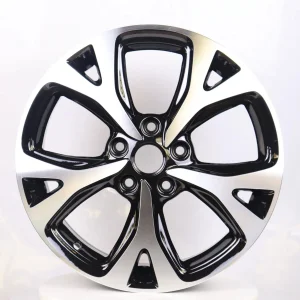
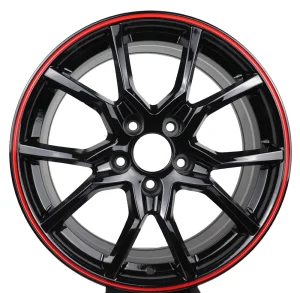
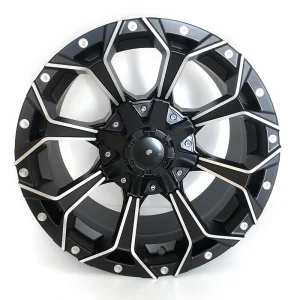
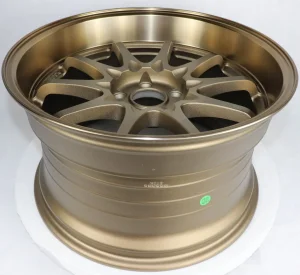
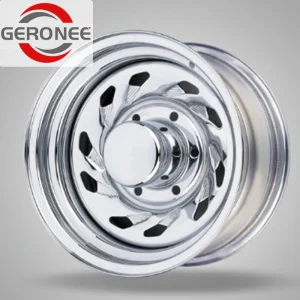
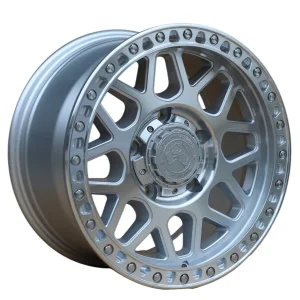
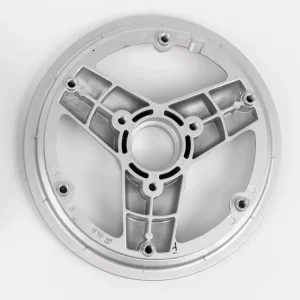
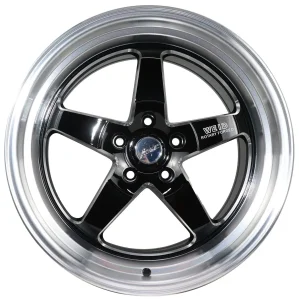
Direct answers regarding specifications, logistics, customization capabilities, and partnership terms for the Rwanda market.
Typically, the production phase takes 25 to 35 days, depending on the complexity of the wheel designs and quantity. Shipping transit time from China (e.g., Qingdao or Shanghai port) to East African ports (Mombasa or Dar es Salaam) is roughly 25 to 30 days. Overland haulage through the Central Corridor into Kigali requires an additional 7 to 10 days, resulting in a total estimated lead time of 60 to 75 days.
Yes. Aluminum alloy wheels have a thermal conductivity profile that is three times higher than steel. This property helps dissipate heat away from the brakes, reducing brake fade, preventing tire bead heat degradation, and extending the operational lifespan of the entire hub assembly. This is particularly advantageous for commercial vehicles traveling down steep slopes in western and northern Rwanda.
We supply full certificates of conformity, factory test reports (metallurgical analysis, balance analysis, and X-ray porosity detection documentation), and compliance declarations matching IATF 16949 and US DOT parameters. This documentation helps local importers obtain pre-export verification of conformity (PVoC) approvals easily.
Yes, we specialize in high-precision aluminum alloy castings optimized for electric vehicles. By using flow-forming techniques, we can lower overall wheel weight, which reduces rotational inertia, helps extend battery range, and maintains the load rating capacities required for public transit buses in Kigali.
Get in touch with our engineering and logistics specialists to obtain custom quotes, sample parameters, and detailed product specifications.
Inquire Now for Factory Pricing Jersey Auto