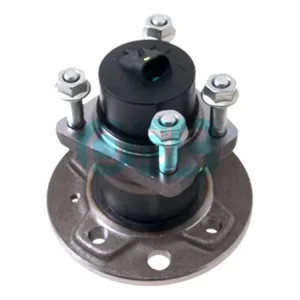
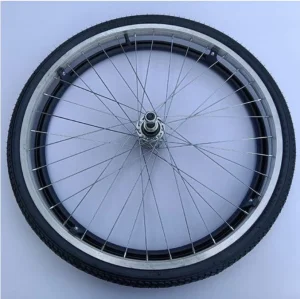
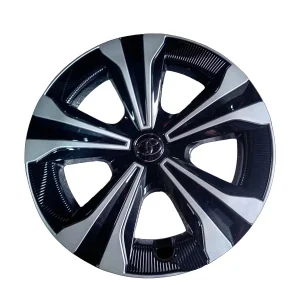
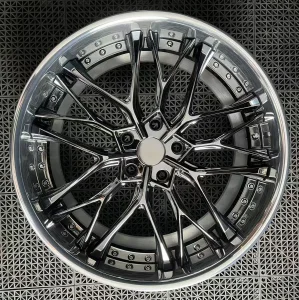
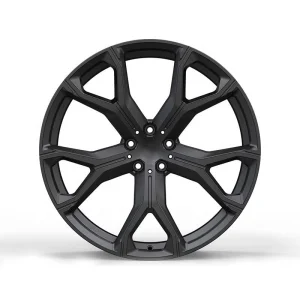
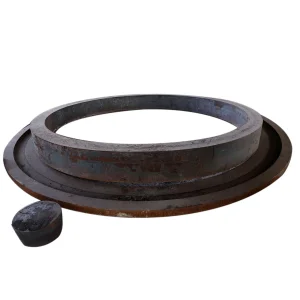
Precision engineered passenger and commercial grade wheels designed for high performance under severe multi-season operational stressors.
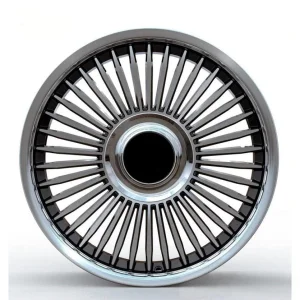
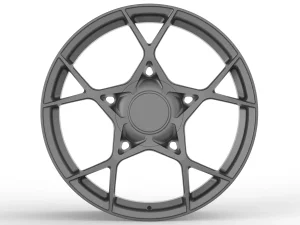
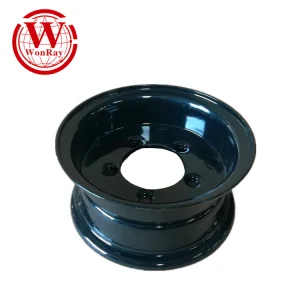
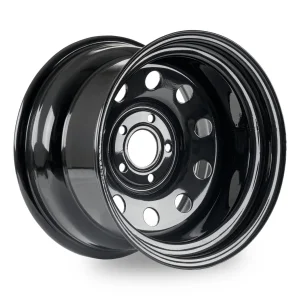
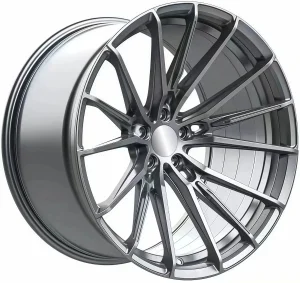
As logistics and automotive demand patterns shift toward optimized total cost of ownership (TCO) and structural reliability, selecting high-caliber wheels is a safety-critical procurement process. Zhengzhou Jersey Auto Co., Ltd. stands as a premier manufacturer in the design, engineering, and export of truck and passenger automotive wheels.
Our research and design facilities enable us to develop wheels that successfully navigate harsh weather conditions, heavy axle loads, and dynamic thermal stresses. With a robust global market footprint, our systems comply with strict mechanical criteria, delivering consistent safety and performance from high-speed passenger routes to harsh, off-road logging operations.
Equipped with 20 registered design and engineering patents, our structures minimize weight without sacrificing load capabilities.
Fully compliant with and certified under IATF 16949, SMITHERS RAPRA, and American DOT safety framework specifications.
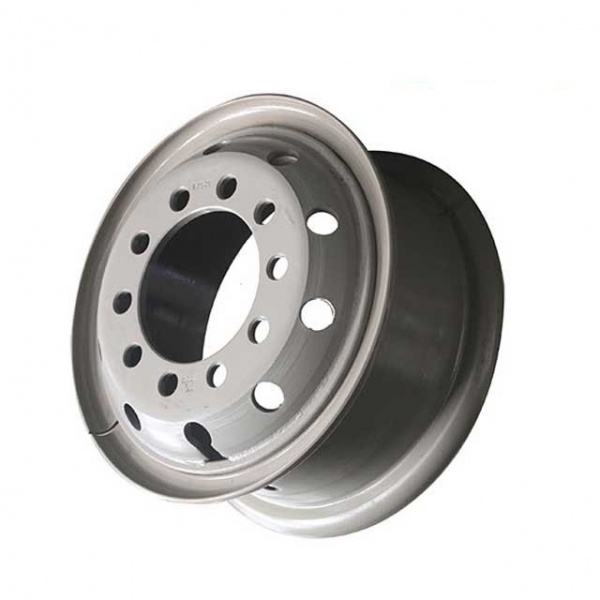
B2B supply chain managers face multifaceted challenges when sourcing wheel hardware that functions seamlessly across distinct regional climates without seasonal swap-outs.
Procuring durable year-round wheels involves analyzing extreme heat, intense sub-zero conditions, chemical corrosives, and dynamic payload limits. Fleet operators and logistics coordinators require systems designed to operate safely in variable conditions, avoiding downtime and lowering maintenance overheads.
For instance, municipal fleets in high-latitude regions face frequent winter exposure to road salts and liquid de-icers (sodium chloride and magnesium chloride). Standard steel rims or lower-grade alloys often suffer galvanic corrosion, which degrades bead seats, causes microscopic pressure leaks, and risks structural failure. Our alloy formulations contain specific magnesium and silicon fractions to counteract chemical corrosion, protecting the wheel's seal integrity.
Conversely, tropical regions and high-load desert routes experience elevated ambient temperatures that stress wheels during heavy braking. The resulting heat transfer from brake systems can stress wheel hubs, accelerate bearing grease degradation, and compromise standard alloy tempers. By designing optimized, heat-dissipating aerodynamic profiles, our year-round wheels offer a versatile B2B solution.
| Global Region | Export Volume % | Primary Technical Requirements | Key Wheel Specifications |
|---|---|---|---|
| Southeast Asia | 40% | Extreme humidity, high coastal salinity, monsoon waterlogging resistance. | Flow Formed / Forged Alloys, Anti-corrosive Matt Black or Painted coatings. |
| South America | 30% | Extreme terrain elevation shifts, heavy payload tolerances. | Heavy-Duty Tubeless Steel & Lightweight Forged Alloy Rims. |
| North America | 20% | Strict DOT compliance, winter road de-icers, long highway routes. | Custom Forged 17-24 Inch Rims, IATF-certified Hub Bearings. |
| Russia, Middle East & Africa | 10% | Extreme temperature ranges (-40°C to +50°C), fine dust ingress, rugged terrain. | Split Steel Rims, Modular Off-Road and Beadlock Wheels. |
Meeting the demands of electric drivetrains, autonomous logistics, and sustainability goals through advanced manufacturing processes.
Electric commercial vehicles demand lower unsprung mass to maximize battery range. Our R&D efforts focus on lightweighting through grain refinement in forged T6-6061 aluminum alloy, yielding up to a 35% weight reduction over conventional cast iron components.
We utilize computational fluid dynamics (CFD) to design wheel faces that minimize drag coefficients. By controlling air flow passing over the brake caliper housings, our designs improve EV range while maintaining brake cooling performance.
Our manufacturing processes focus on sustainability. We recycle 100% of internal aluminum scrap generated during CNC milling, feeding it back into our smelting process to reduce carbon footprint per wheel produced.
The evolution of autonomous transport fleets demands real-time structural health monitoring. Our technology roadmap integrates digital cavities within the wheel rim architecture. These chambers are designed to house wireless RFID tags and piezoresistive strain sensors, enabling real-time monitoring of rim fatigue, wheel hub temperatures, and dynamic tire pressures. This integration supports predictive maintenance protocols, helping global fleet operators avoid on-road mechanical issues.
Every wheel manufactured at our 40,000-square-meter facility undergoes a structured, multi-phase production and quality validation process.
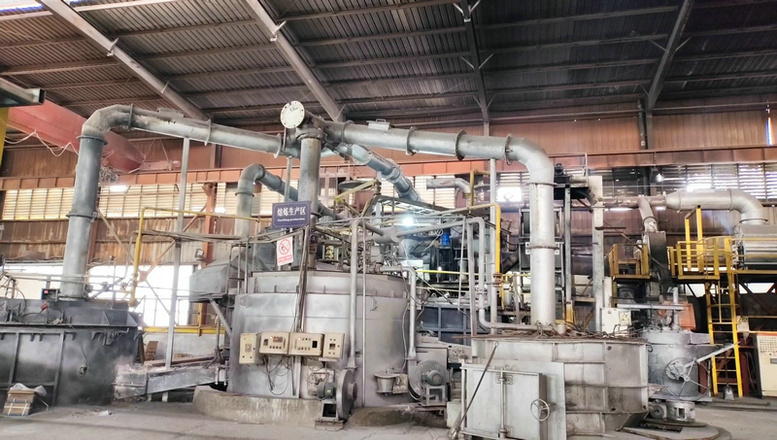
Premium grade primary A356.2 aluminum alloys are melted in digital induction furnaces to maintain uniform elemental distribution.
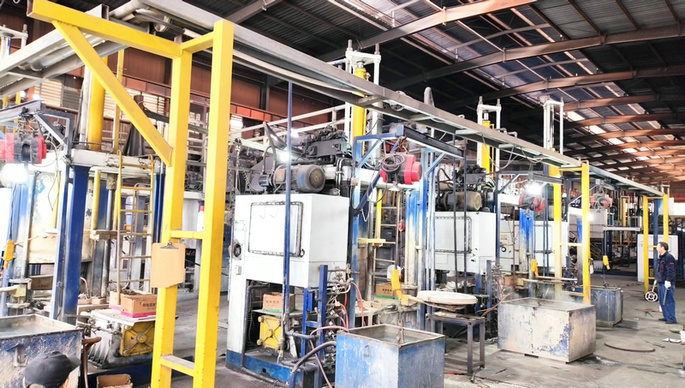
Liquid alloy is gravity-cast into precision molds under strict temperature monitoring to minimize internal gas pockets.
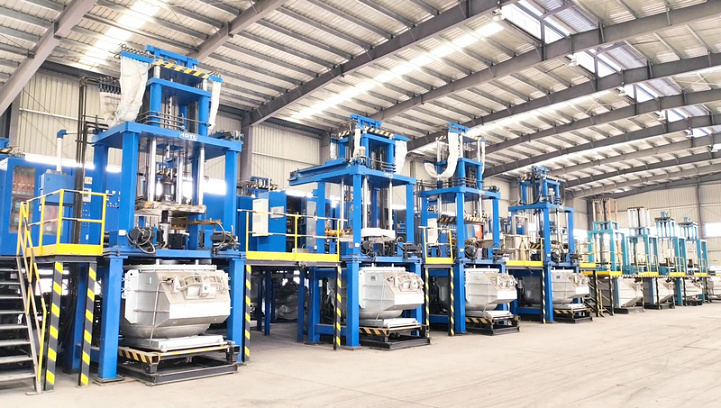
For specialized profiles, high-pressure die casting aligns the metal grain structure, improving mechanical strength.
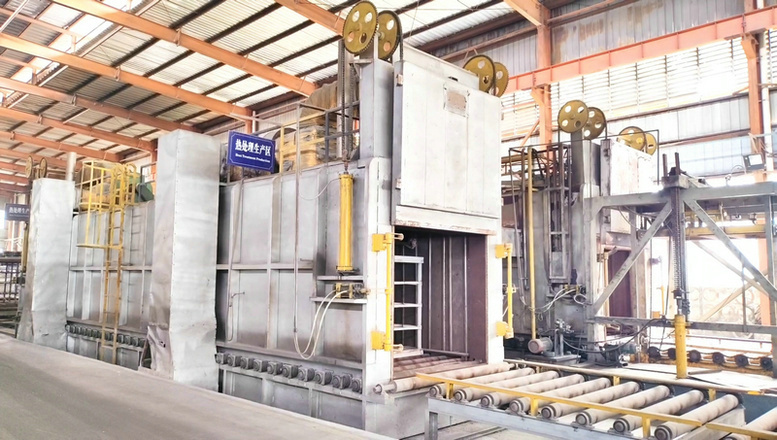
Wheels undergo solution heat treatment and artificial aging (T6 status) to optimize hardness, yield strength, and elongation limits.
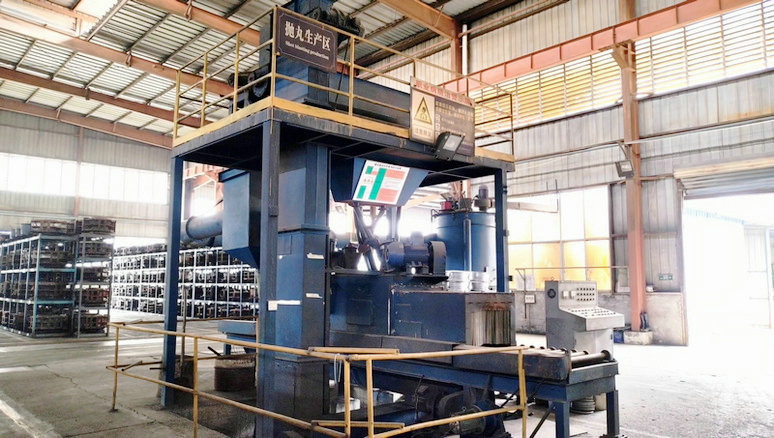
Manual and mechanical sanding eliminates minor flashings, seams, and mold surface imperfections.
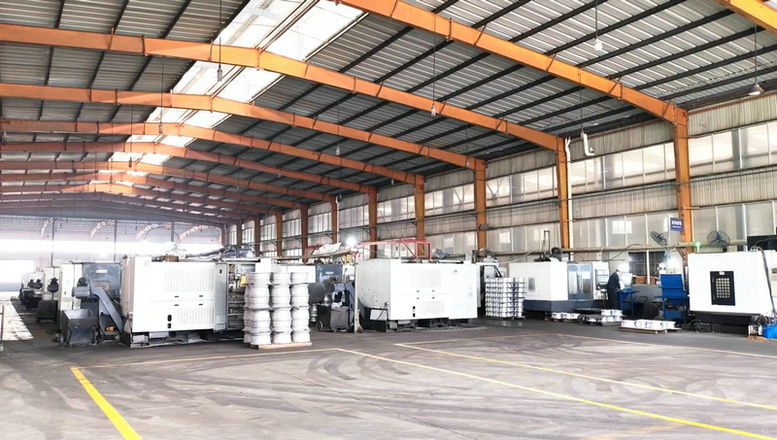
Computer-controlled lathes shape the hub bore, rim seat profile, and bead seat area, keeping tolerances within 0.05 mm.
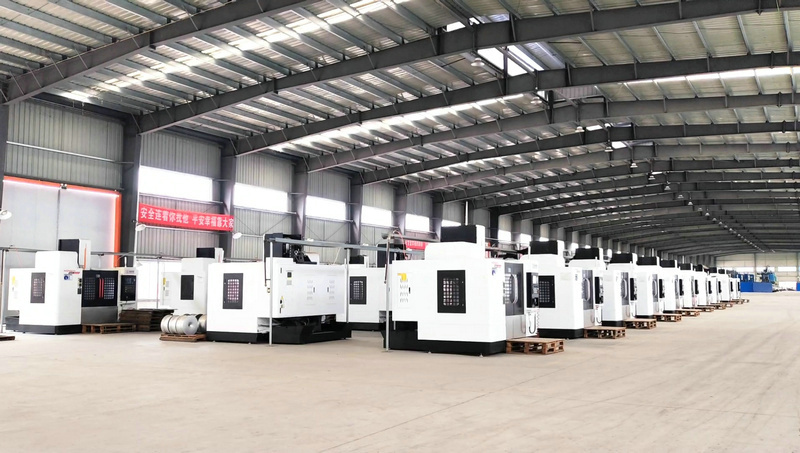
Machining centers drill the PCD bolt hole layouts, center bore chamfers, and complex aesthetic spoke elements.
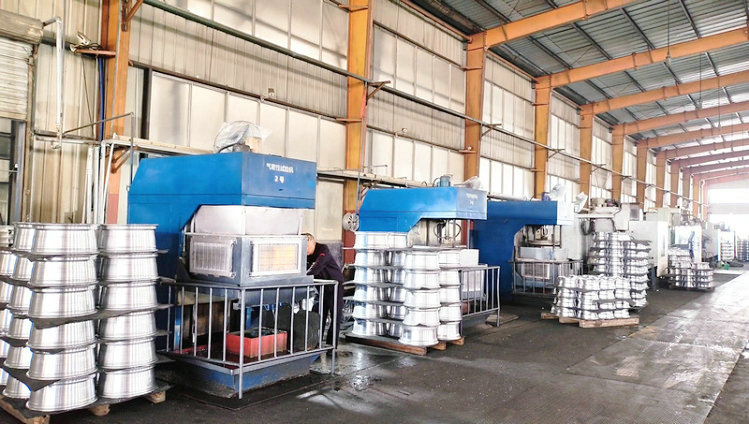
Wheels are pressurized and tested under helium or water immersion to detect micro-porosity defects before finishing.
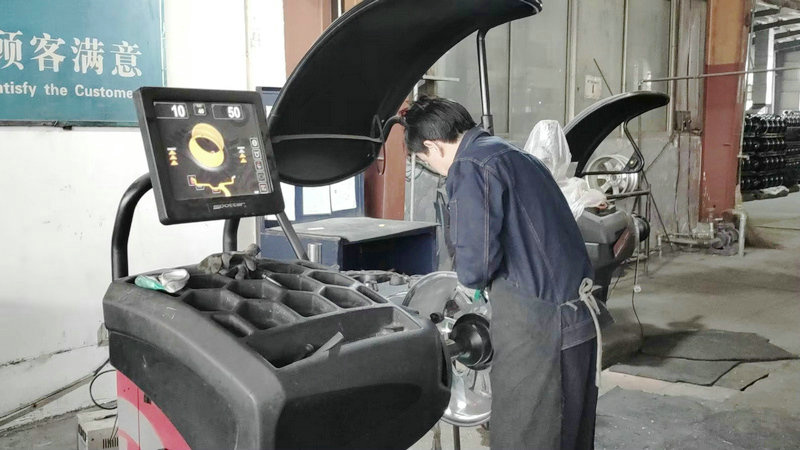
High-speed sensors evaluate rotational balance, identifying force variations to prevent dynamic vibrations on the vehicle.
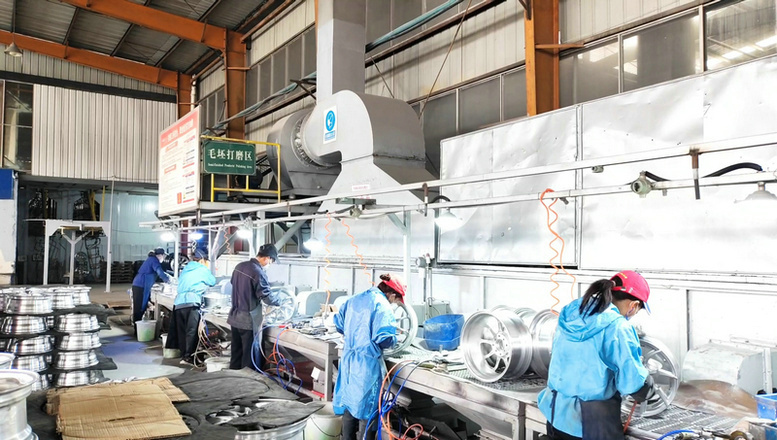
Automated buffing processes finish the outer surfaces, ensuring proper paint mechanical bonding.
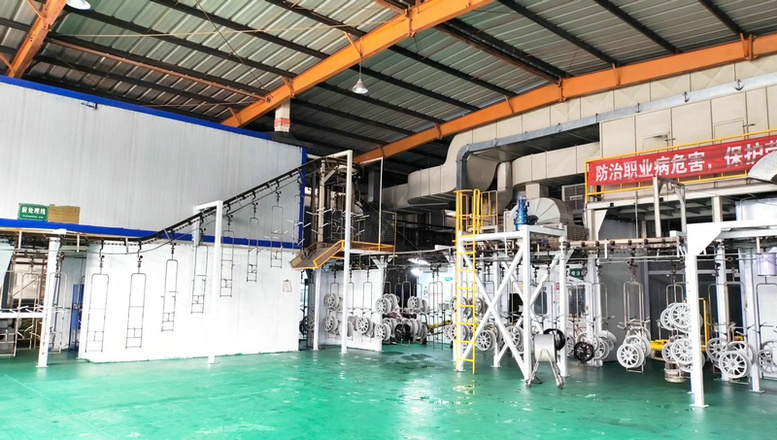
Multi-layer electrostatic powder coatings and clear protective lacquers protect against UV rays, brake dust, and salt corrosion.
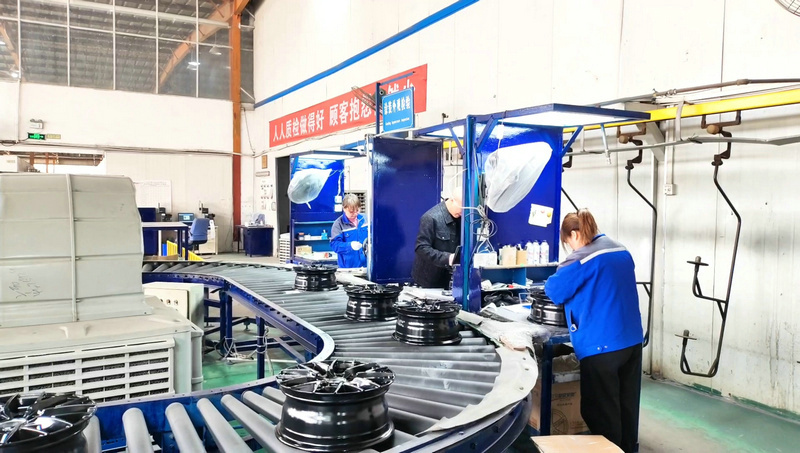
Quality control technicians perform manual and optoelectronic surface inspections, checking for blemishes or coating variations.
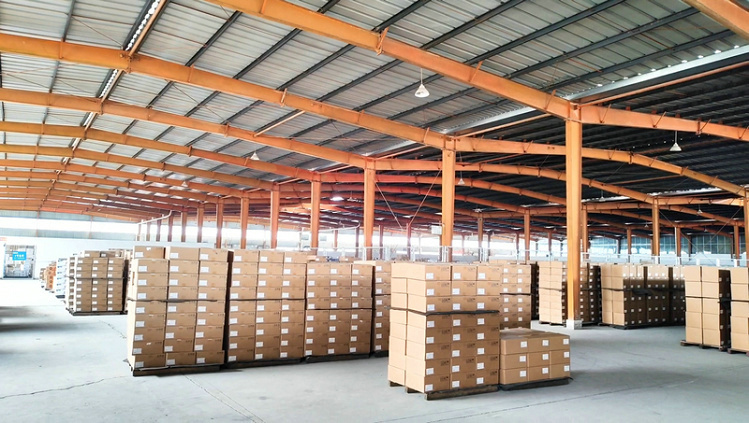
Finished wheels are packaged in humidity-monitored facilities using custom corner-protecting cardboard cartons to prevent transit scratches.
Verifying and validating automotive components ensures safety and simplifies cross-border distribution.
For industrial distributors and automotive manufacturers, compliance documentation is crucial. Zhengzhou Jersey Auto's testing protocols meet international transport standards, reducing customs delays and regulatory liabilities for import partners.
SMITHERS RAPRA Testing: Our wheel designs undergo structural testing at accredited centers. Radial and cornering fatigue tests simulate over 1,000,000 load cycles under simulated lateral and vertical loads to ensure long-term durability.
Department of Transportation (DOT) Certification: Compliance verification indicates our wheel structures meet or exceed FMVSS (Federal Motor Vehicle Safety Standards) regulations, permitting entry into North American commercial fleet supply chains.
IATF 16949 Certification: Our manufacturing facilities adhere to IATF standards, ensuring batch-to-batch tracking, documented tooling life cycles, and continuous defect-prevention processes.
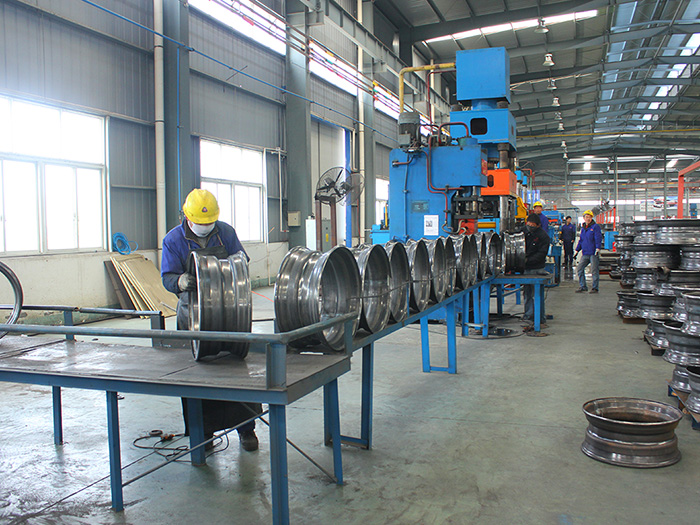 Spectral Analysis
Validates key chemical element ratios before casting.
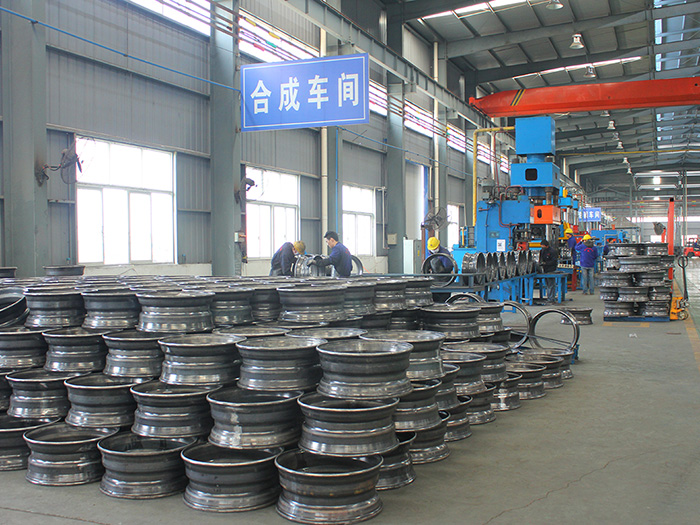 Stress Profiling
Evaluates radial fatigue under simulated heavy payloads.
Expert answers to technical, logistical, and compliance questions commonly raised by procurement managers.
Expanding operations with specialized wheel assemblies, heavy duty hubs, and aftermarket components.
 Jersey Auto