Decoding heavy-duty mobility dynamics, regulatory pressures, and material sciences driving the utility fleet wheel ecosystems.
The global off-road transportation, logistics, and heavy agricultural sectors are witnessing an unprecedented technological pivot. The demand for ruggedized, high-load-capacity wheels—specifically engineered for multi-terrain trailers, tractors, industrial lift vehicles, and long-haul transport—has surged. No longer regarded as mere static structural components, contemporary trail wheels are engineered assets. High-load utility platforms demand assemblies capable of resisting multi-axial dynamic stress, severe torque fluctuations, and aggressive corrosive environments.
In highly regulated logistics hubs such as North America and the European Union, commercial operators face strict axle-load weight restrictions. Fleet developers are aggressively pursuing unsprung weight reductions without compromising safety margins. By substituting traditional heavy cast iron setups with advanced forged magnesium-aluminum alloys or light-alloy engineered steels, logistics operators gain substantial payload capacities. Furthermore, agricultural operations rely heavily on high-flotation wheel systems to minimize soil compaction, safeguarding crop yields while ensuring heavy harvesting machinery stays mobile in rain-saturated, muddy field terrains.
Global supply chains require wheels certified to stringent test standards. Our design processes respect strict guidelines like American DOT, IATF 16949, and SMITHERS RAPRA, ensuring our products easily withstand extreme fatigue limits, radial impact tests, and severe rotary cornering tests.
Migrating commercial fleets to lightweight forged aluminum alloys reduces rotating mass. This reduction optimizes fuel efficiency, lowers carbon emissions, mitigates drive-train wear, and improves brake-heat dissipation to ensure reliable operating performance under heavy loads.
Utility trail wheels must withstand aggressive road salts, industrial acids, sub-zero Siberian winters, and scorching Middle Eastern desert sands. Dynamic anti-corrosion coating procedures guarantee longevity and minimize total cost of ownership.
Over two decades of dedication to precision casting, forging, and reliable global distribution.
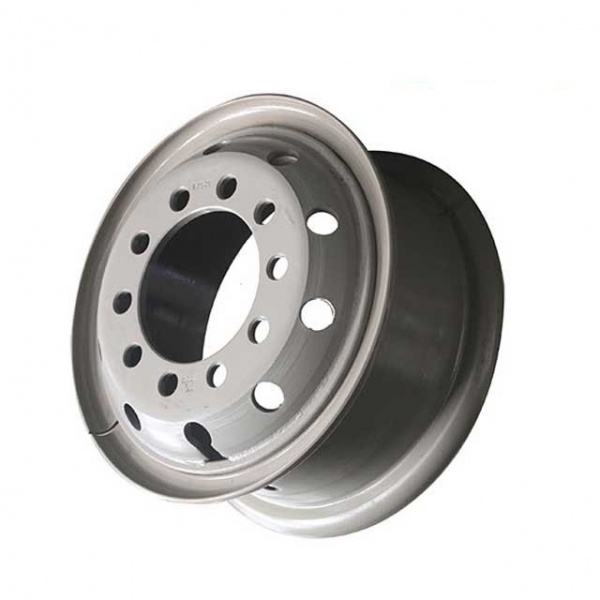
Founded in 2003, Zhengzhou Jersey Auto Co., Ltd. is a leading manufacturer specializing in the design, production, and export of high-quality truck and trail wheels. Our extensive product portfolio spans tubeless truck wheels, tube truck wheels, lightweight aluminum wheels, split industrial wheels, and agricultural flotation wheels designed for tractors and harvesters. Through deep metallurgic engineering research and continuous manufacturing investment, we deliver robust solutions that satisfy demanding load requirements.
Headquartered in a state-of-the-art 40,000-square-meter facility, our operation is backed by more than 20 proprietary design and structural patents. We run advanced casting, die-casting, heat treatment, and precision CNC finishing lines, ensuring strict control over all aspects of structural development.
Our sales channels are highly diversified to meet localized demands. We distribute North America (20%), South America (30%), and Southeast Asia (40%), with the remaining 10% serving heavy-duty fleet operations in Russia, Africa, and the Middle East.
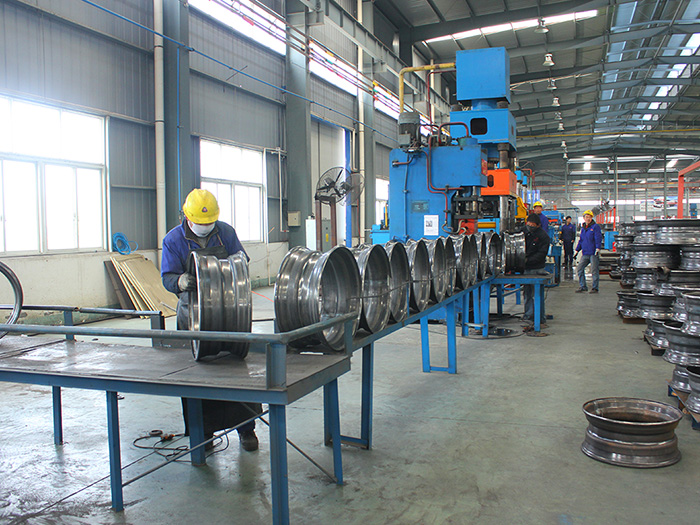
We work closely with premium metallurgical alloy suppliers, verifying material structure through spectral analysis. Every production lot undergoes non-destructive testing, dynamic balancing trials, and high-pressure airtight tests before stamping and packaging.
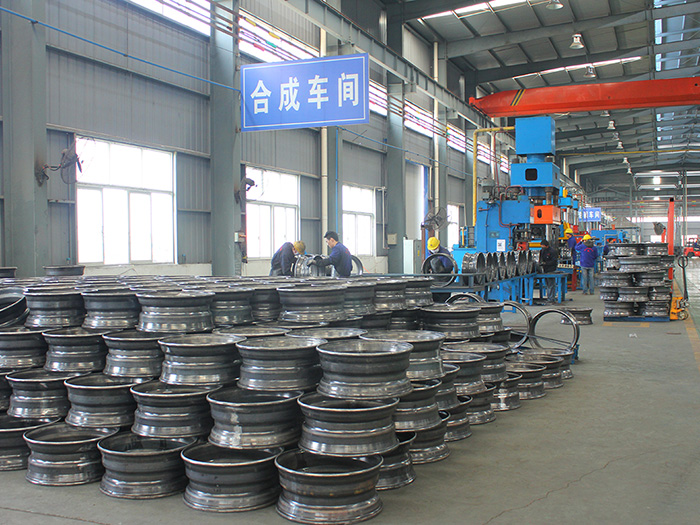
We actively utilize eco-friendly production solutions. By reducing material waste, optimizing heat treatment energy consumption, recycling aluminum/steel scraps, and filtering emission outputs, we minimize our ecological footprint in line with ISO 14001 guidelines.
Mapping the rigorous technological path of a raw metal billet into a high-strength certified wheel rim.
To ensure high fatigue resistance and structural integrity under rugged off-road trail conditions, every product at Jersey Auto follows a strict, highly controlled manufacturing cycle. Below is our visual step-by-step technological roadmap:
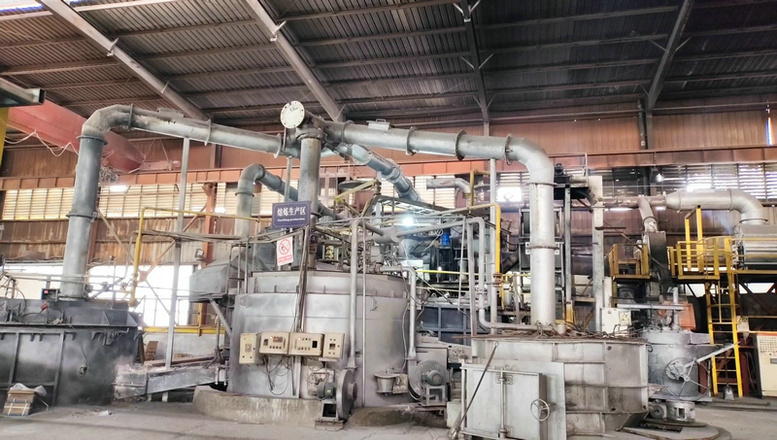
1. Smelting
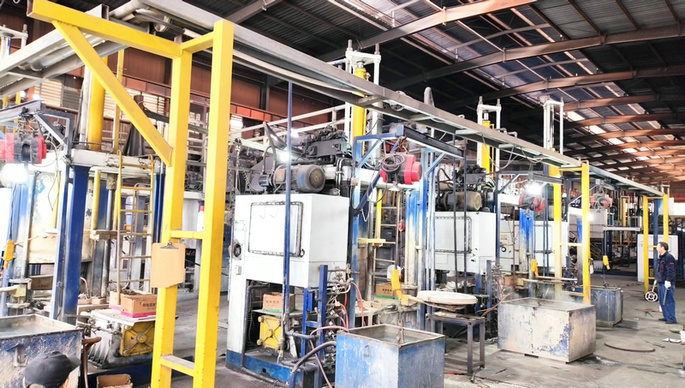
2. Casting Forming
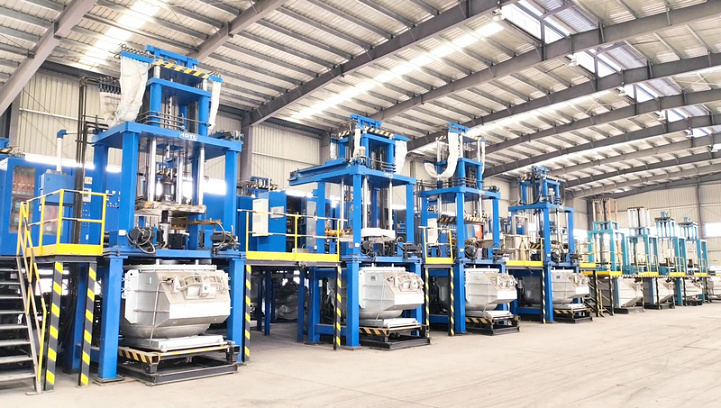
3. Die Casting
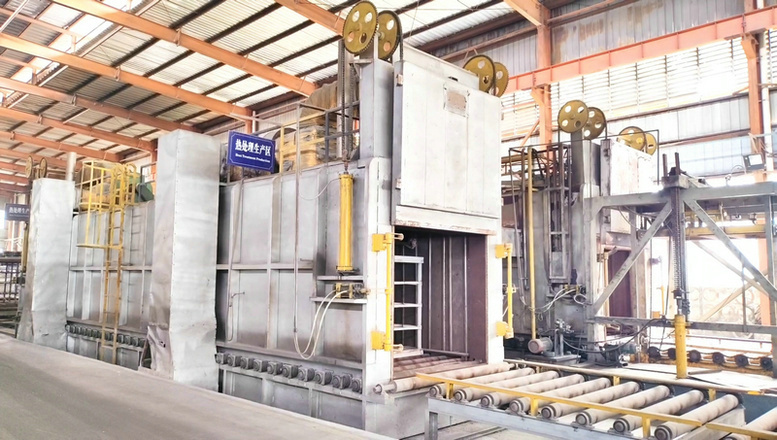
4. Heat Treating
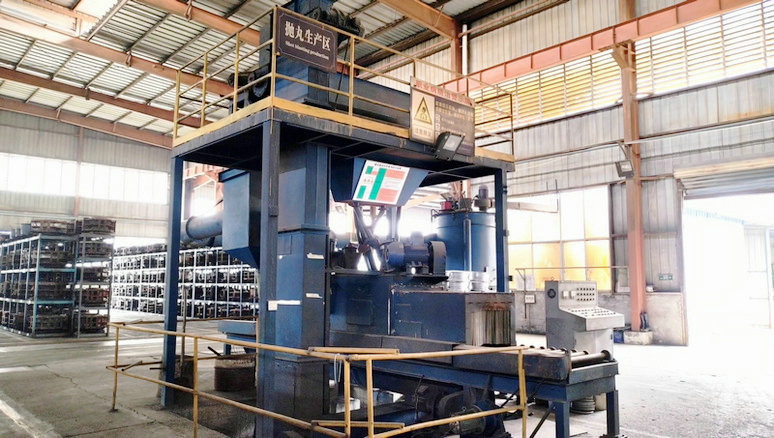
5. Sandpaper Polishing
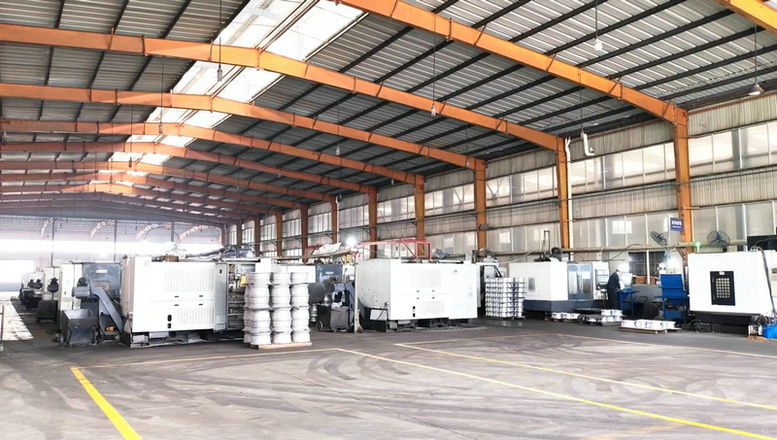
6. CNC Lathe
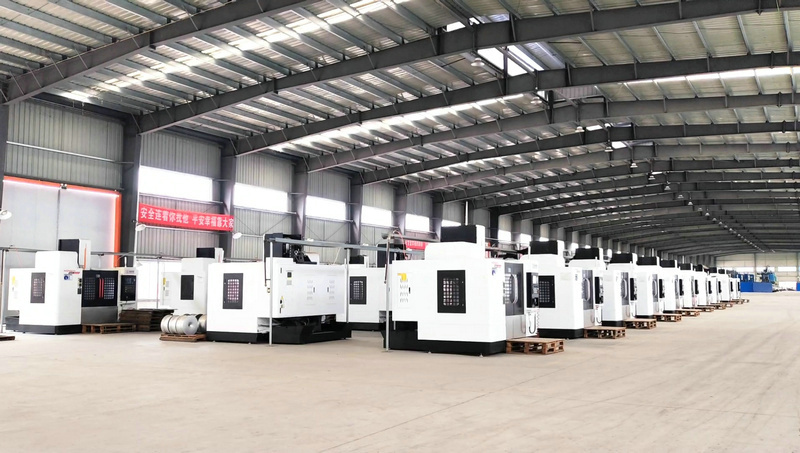
7. CNC Machining Center
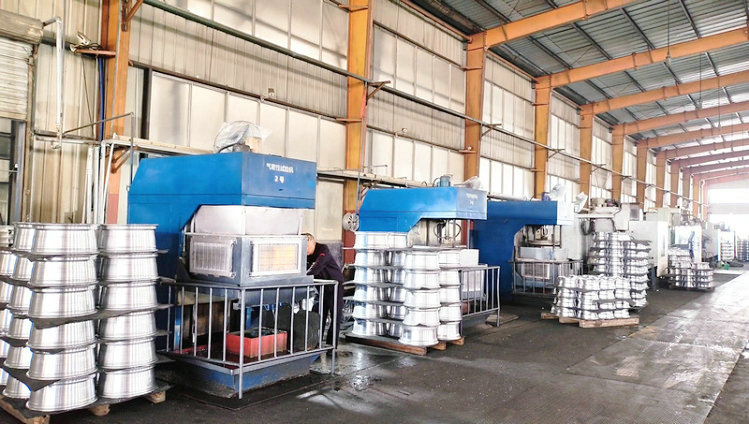
8. Air-Tight Testing
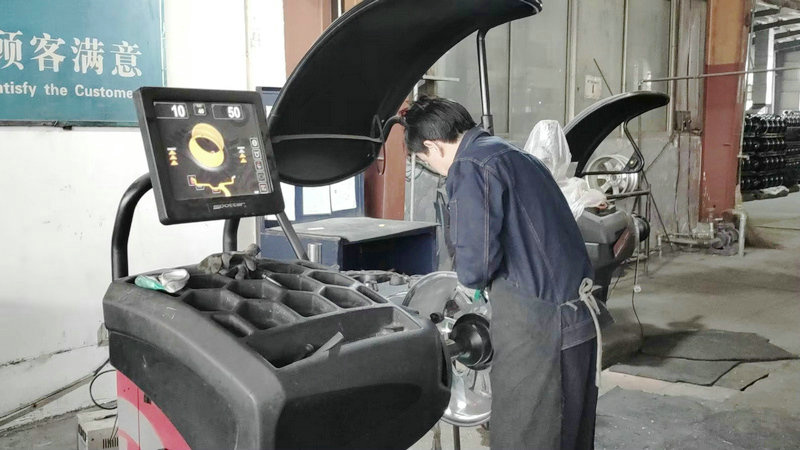
9. Dynamic Balancing
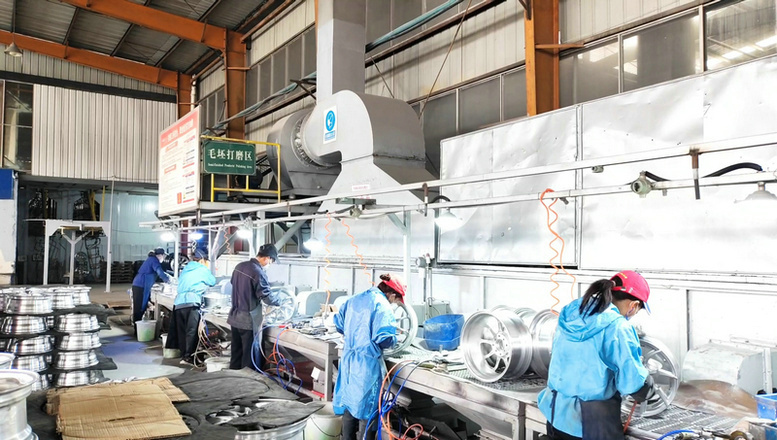
10. Polishing
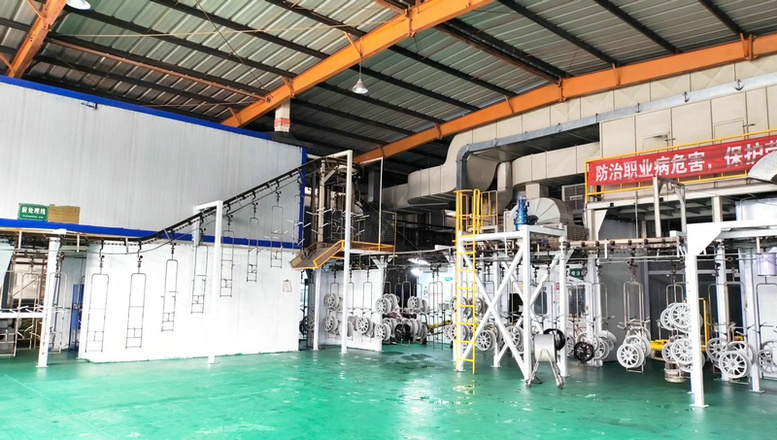
11. Spraying
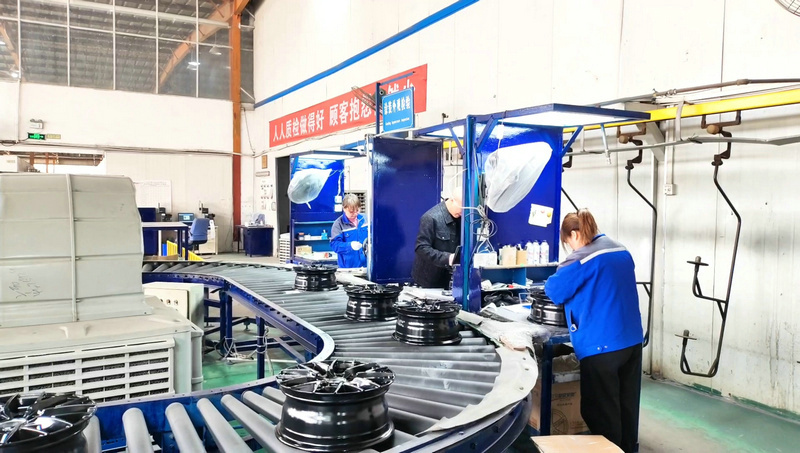
12. Appearance Inspection
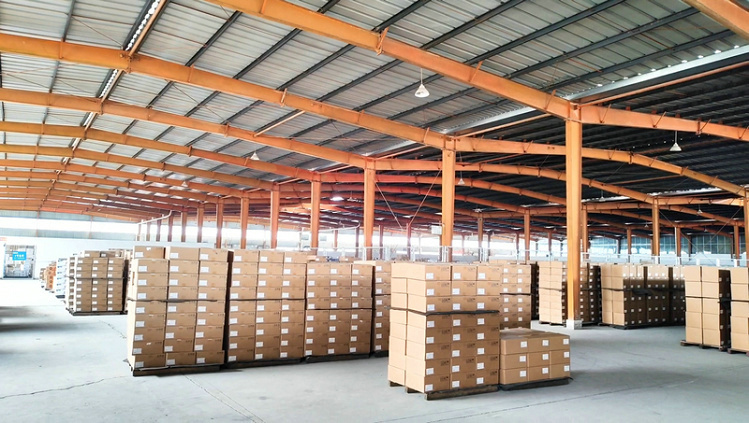
13. Storing
By refining every phase of production—beginning with raw ingot smelting and moving to high-pressure die casting forming, followed by thermal heat treating to optimize molecular grain flow—we maximize tensile yield strengths. High-speed multi-axis CNC lathe machining centers ensure precise concentricity tolerances, while secondary air-tight testing and dynamic balancing verify that our wheels operate safely at highway speeds.
How our technical engineering department translates custom concepts into certified mechanical products.
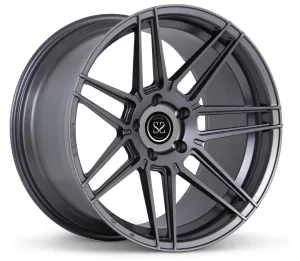
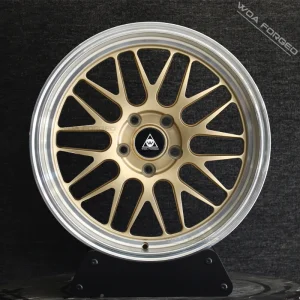
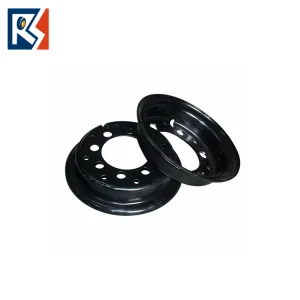
As a seasoned wheel manufacturer, Jersey Auto provides flexible OEM and ODM configurations for commercial and industrial clients. Whether developing a deep-dish forged alloy rim for high-end automotive modifications or configuring a robust split-rim setup for industrial forklifts, our R&D group works closely with client engineering divisions.
We generate precise 3D CAD geometries based on client clearances, caliper positions, axle widths, and dynamic payload criteria. The initial model establishes the foundation for structural and aesthetic development.
We subject the digital CAD models to virtual stress simulations. These tests check for structural weak points under severe load stresses, simulated cornering forces, and sudden impact vectors, optimizing the design before physical tooling begins.
Using CNC-machined billets, we construct physical prototype models. These sample wheels undergo physical dynamic radial fatigue testing, rotary bending fatigue testing, and high-impact drop-weight assessments in our certified QA laboratory.
Adapting design parameters to suit various geographical conditions and operational challenges.
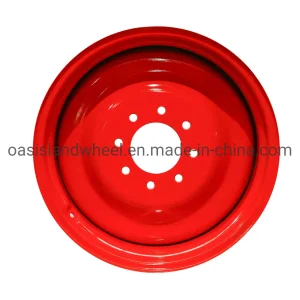
In high-humidity agricultural zones, field machinery operates on soft, waterlogged soil. We supply specialized flotation steel wheels, such as the 16.00x22.5 agricultural series, which disperse vehicle weight to protect agricultural land and prevent equipment from sinking.
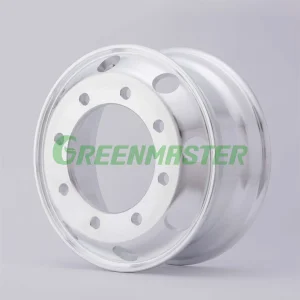
Long-distance cargo hauling across mountain passes demands highly durable wheels. Our forged aluminum alloy trailer wheels provide strong structural integrity, helping truck fleets maintain safety margins while managing heavy payloads over winding mountain descents.
With strict interstate weight limits, payload optimization is vital. By adopting lightweight 24.5" forged magnesium-aluminum wheels, transport operations can lower their deadweight, reducing fuel consumption and carbon emissions over long distances.
Addressing technical engineering questions from global distributors and procurement managers.
 Jersey Auto