The global transition to electric industrial fleets—spanning battery-electric forklifts, automated guided vehicles (AGVs), and heavy electric trucks—demands specialized structural engineering for wheels. Heavy battery packs drastically shift axle weight ratios, requiring industrial steel and alloy rims to carry elevated static payloads while maintaining low rolling resistance. Modern hub assemblies are increasingly adopting sensory integration, where rims must support thermal and mechanical monitoring interfaces, optimizing operational uptimes.
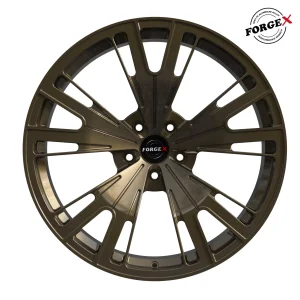
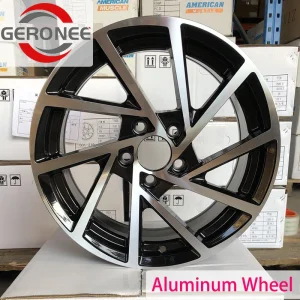
Traditional structural steel continues to be the backbone of industrial applications. However, metallurgical innovations are steering the industry toward advanced high-strength steels (AHSS) and high-integrity magnesium-aluminum alloys. These materials allow substantial weight reduction without compromising fatigue limits or payload thresholds. The resulting reduction in unsprung mass directly improves fuel economy and battery longevity across large fleets.
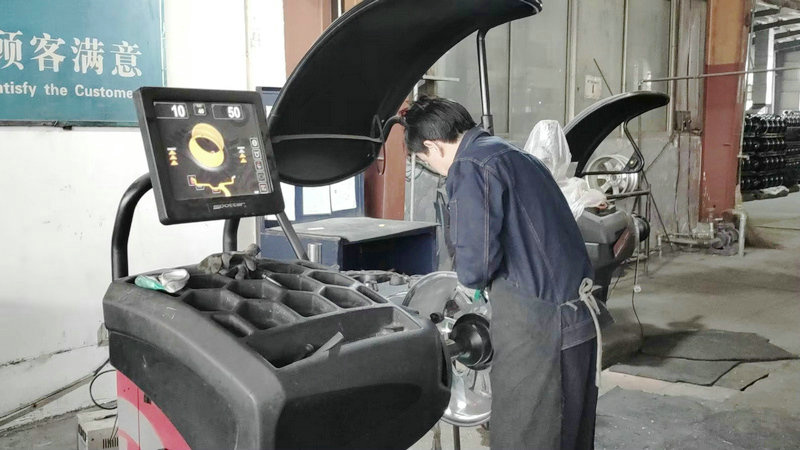
Regulatory bodies worldwide—including the US Department of Transportation (DOT), European ETRTO, and ISO committees—are tightening testing standards. Industrial wheels, specifically multi-piece and split forklift rims, are subjected to strict dynamic radial fatigue testing and cornering moment fatigue testing. Industrial procurement agents now prioritize suppliers with robust certification portfolios, including IATF 16949, DOT, and SMITHERS RAPRA, to mitigate catastrophic failure risks in industrial worksites.
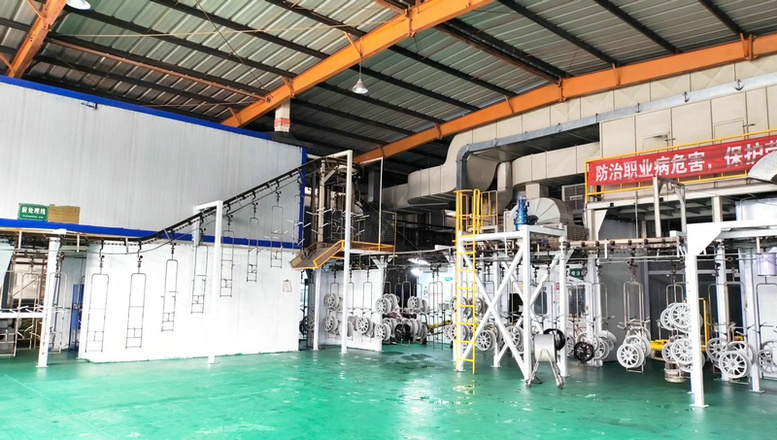
Procurement strategy has moved beyond initial unit costs. Global fleet operators evaluate industrial wheels based on their Total Cost of Ownership (TCO). This includes maintenance intervals, corrosion resistance under harsh chemical exposures, and mechanical resilience. Suppliers who can offer customizable paint specifications (such as high-durability powder coating, cathodic e-coating, and zinc-rich primers) are highly sought after by logistics hubs, chemical plants, and marine cargo terminals.
As a premier manufacturing hub, Zhengzhou Jersey Auto Co., Ltd. leads the integration of advanced smart factory solutions with traditional forging and casting techniques, ensuring high efficiency, consistency, and structural integrity.
Founded in 2003, Zhengzhou Jersey Auto Co., Ltd. is a leading manufacturer specializing in the design, production, and export of high-quality truck and industrial wheels. Our extensive product portfolio spans tubeless truck wheels, tube truck wheels, lightweight alloy wheels, and custom-designed steel wheels.
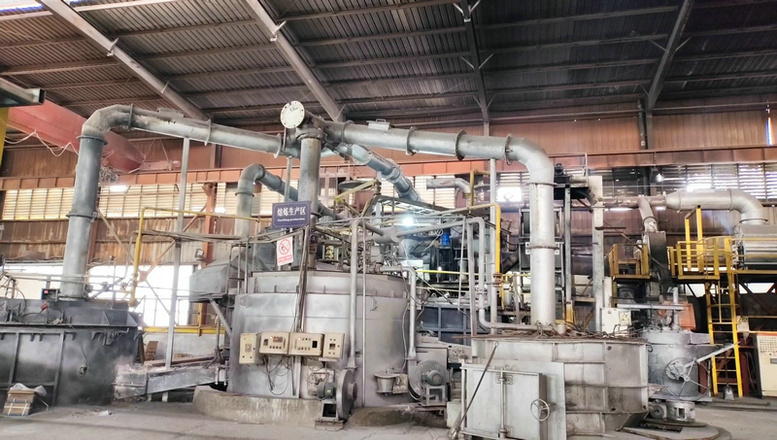
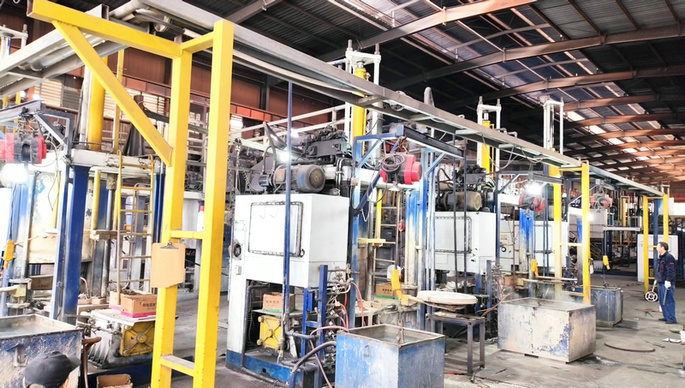
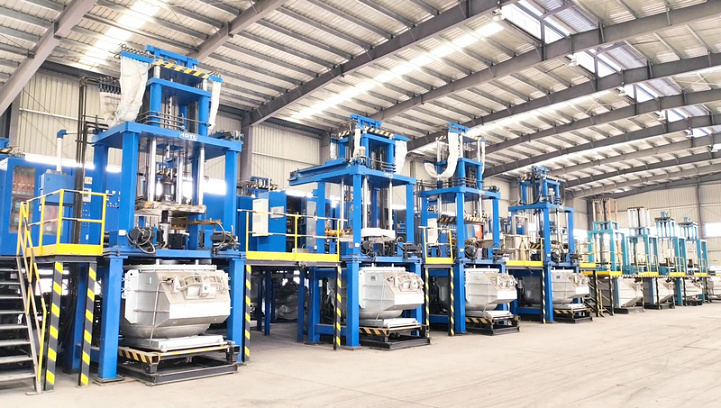
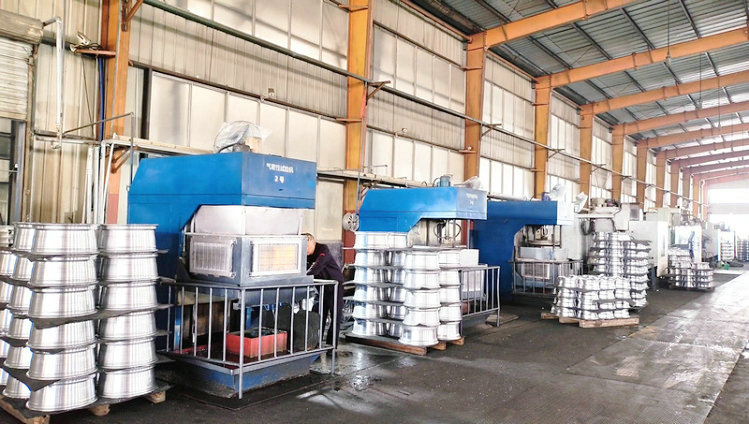
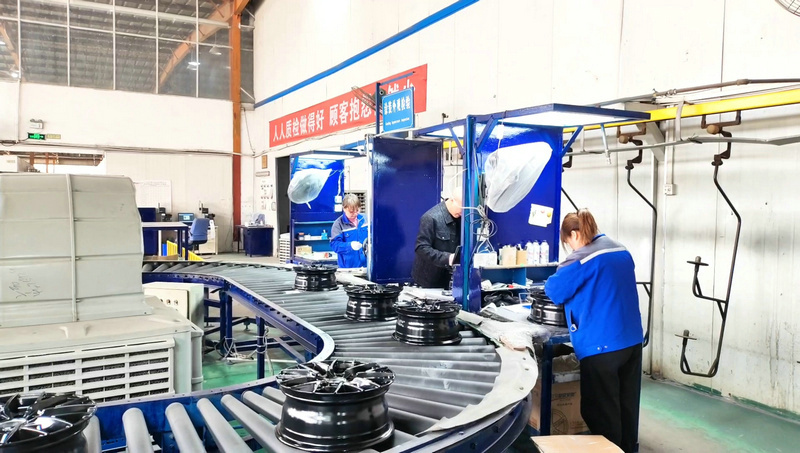
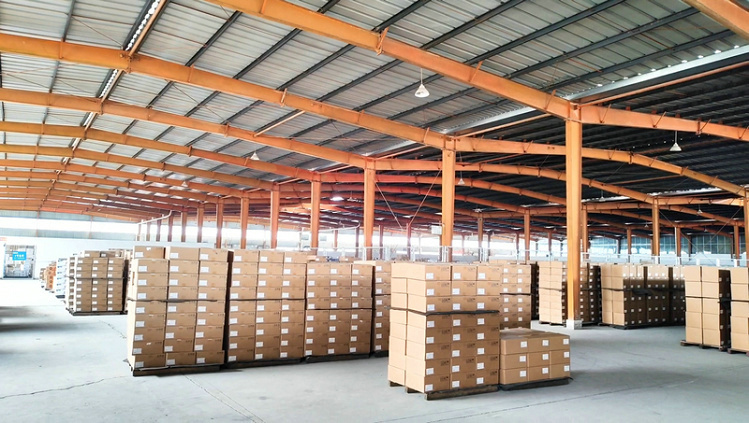
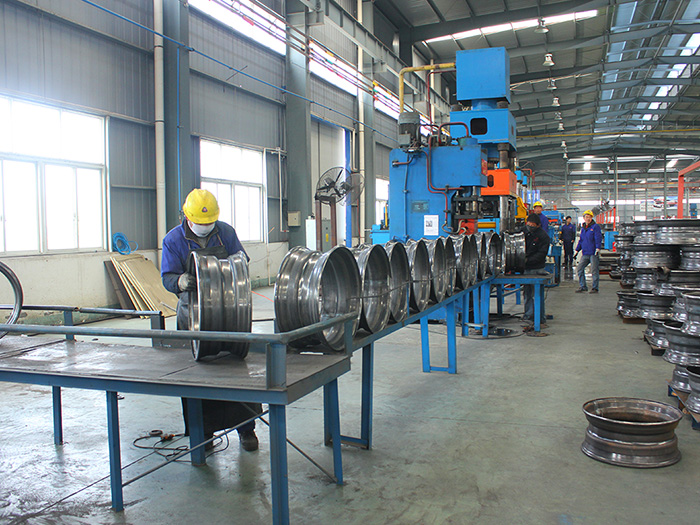
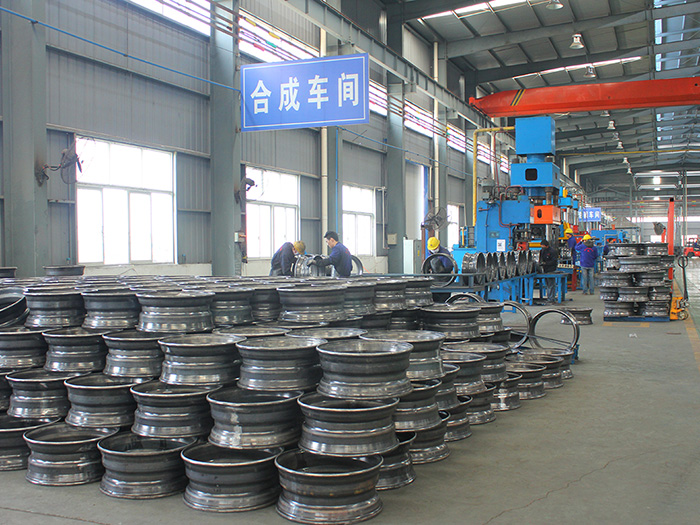
Our 40,000-square-meter modern production facility is equipped with automated manufacturing lines, high-precision CNC machinery, and rigorous testing labs. Through steady expansion, we have established a global presence, exporting our products to North America (20%), South America (30%), Southeast Asia (40%), as well as Russia, the Middle East, and Africa.
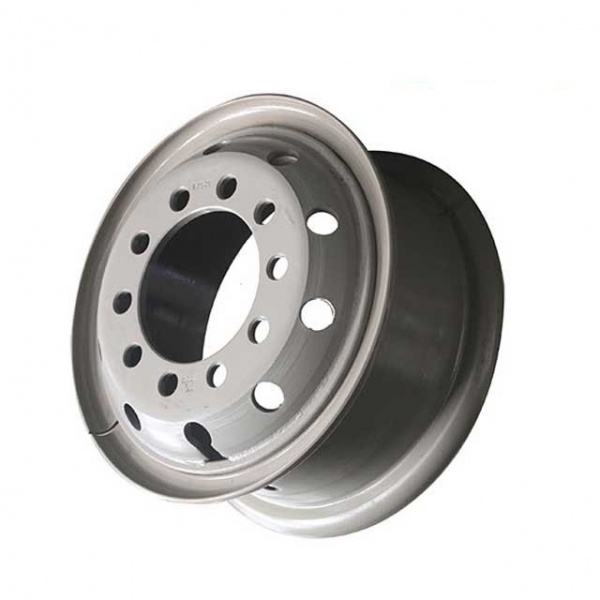
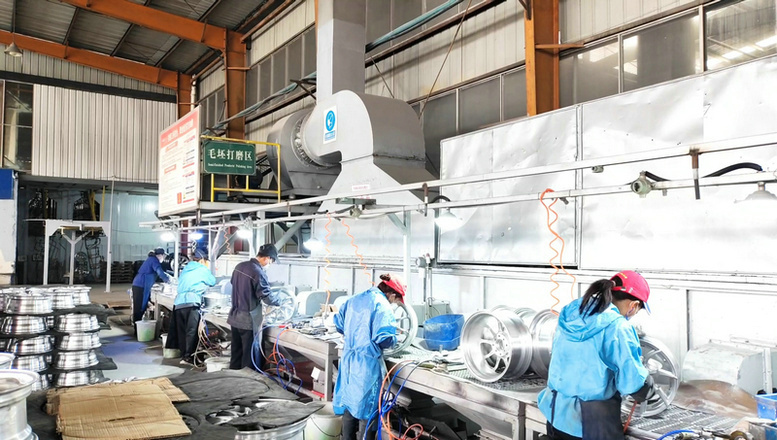
From melting raw materials to final appearance inspection and storage, our integrated production line features strict checks at every critical node. Below is our standard manufacturing and testing protocol:
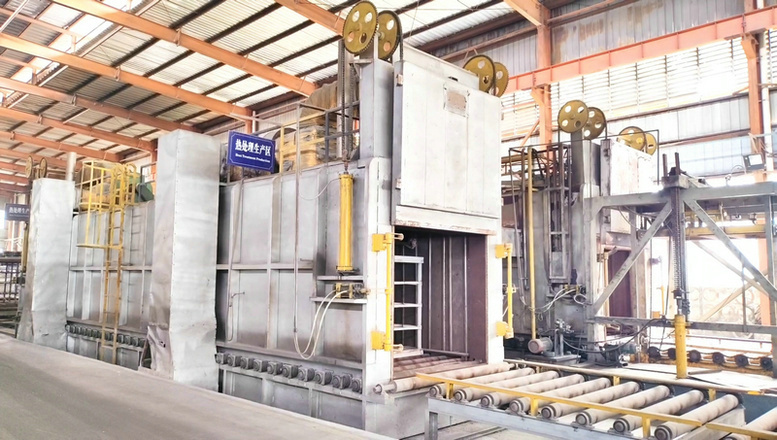
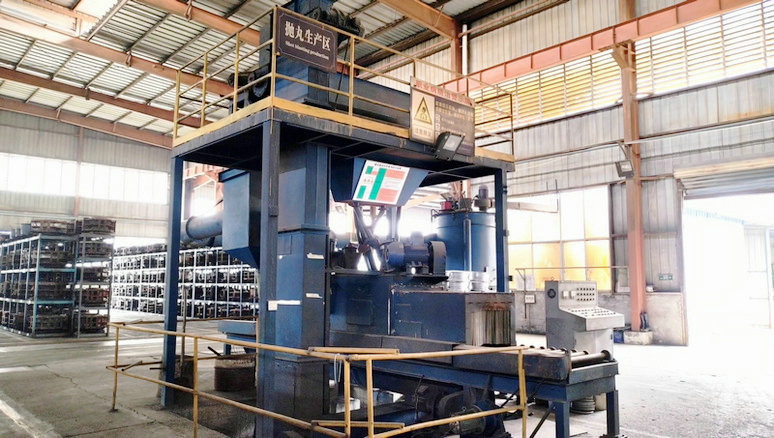
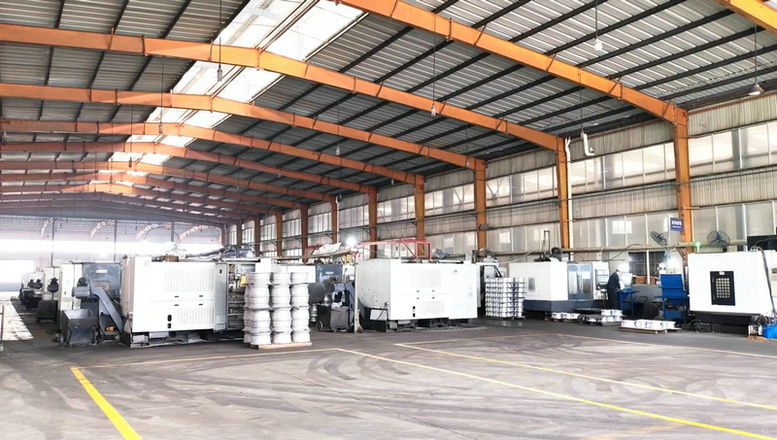
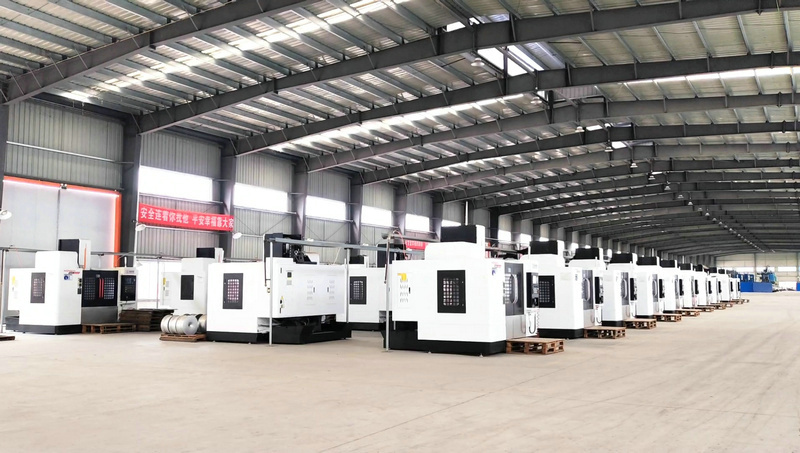
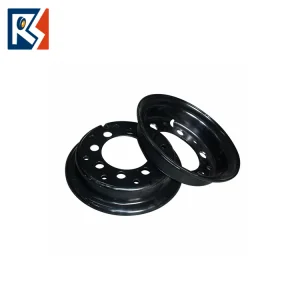
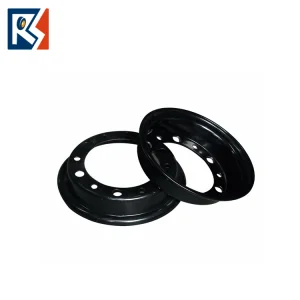
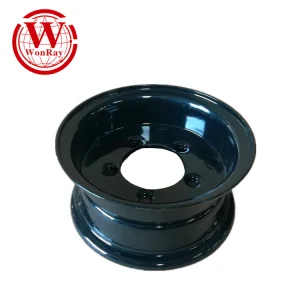
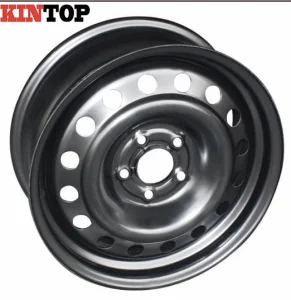
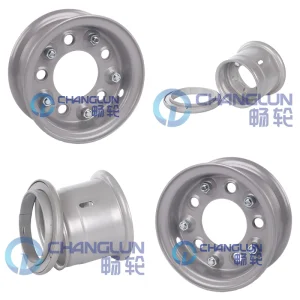
Industrial environments like logistics hubs, manufacturing lines, and distribution centers require robust split rims and multi-piece assemblies (such as the 3.75-8 split steel rim). These designs simplify tire swaps for solid or pneumatic tires, reducing maintenance downtime.
Luggage carts, passenger boarding stairs, and aircraft pushback tugs rely heavily on small-diameter, heavy-load wheels. Engineered to withstand continuous stop-and-go cycles under varying loads, these wheels keep ground logistics moving smoothly.
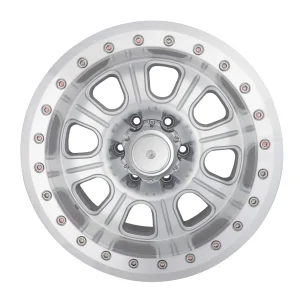
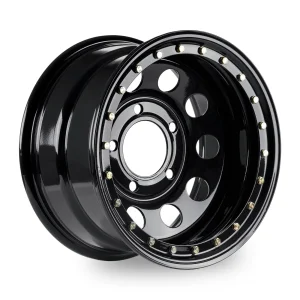
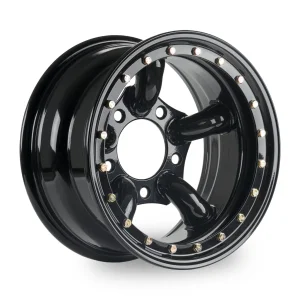
Extreme off-road setups and utility vehicles demand anti-detach beadlock wheels. These mechanical lock rings clamp the tire bead firmly to the rim, preventing tire slip at low air pressures and under heavy lateral forces.
At Zhengzhou Jersey Auto Co., Ltd., we aim to lead the truck and industrial wheel sector by delivering engineering excellence. Our goal is to forge strong, mutually beneficial partnerships with global distributors, port operators, and automotive OEMs.
We continuous invest in green production processes—focusing on waste reduction, energy optimization, and lower carbon footprints—to support our partners' sustainability initiatives. Let's work together to drive efficiency and safety forward.
 Jersey Auto