Jersey Auto
1 / 5


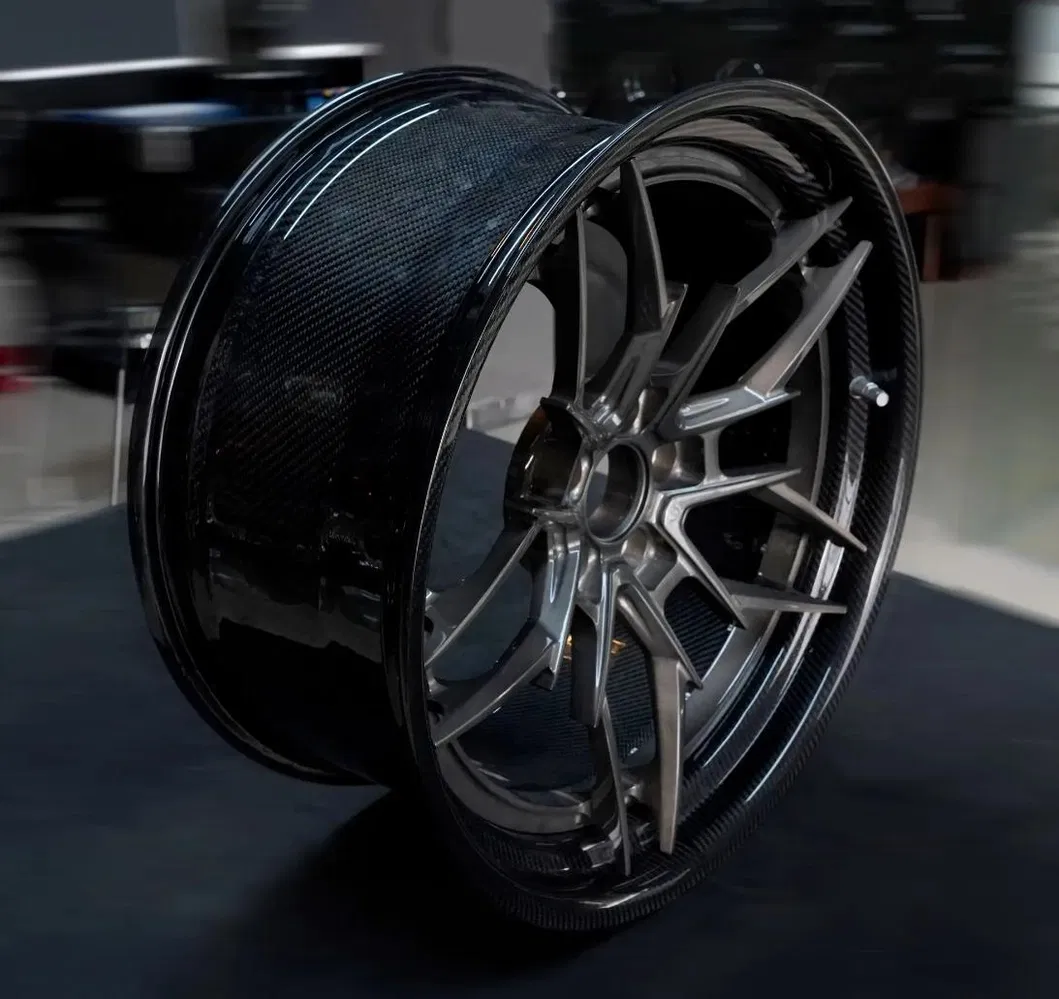

| Size | Width | Lip Depth (mm) | 2PCS Forged Barrel Weight | Carbon Fibre Barrel Weight |
|---|---|---|---|---|
| 20 Inch | 8.5 / 9 | 58.5 / 40 | 5.57 | 5.5 |
| 9.5 | 58.5 | 5.97 | 4.5-4.7 | |
| 10.5 | 75 | 6.37 | 4.7-4.9 | |
| 12 | 89 | 6.98 | 5.1-5.3 | |
| 21 Inch | 8.5 / 9.5 | 58.5 | 5.86 / 6.28 | 4.6-4.9 |
| 10 / 11.5 | 75 / 89 | 6.49 | 5.1-5.8 | |
| 13 | 89 | - | 5.95 | |
| 22 Inch | 10.5 / 11.5 | 75 / 89 | - | 5.45-6.0 |
| 23 Inch | 10.5 | 75 | - | 5.7-5.9 |
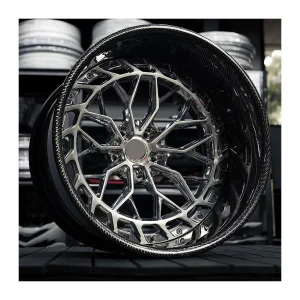
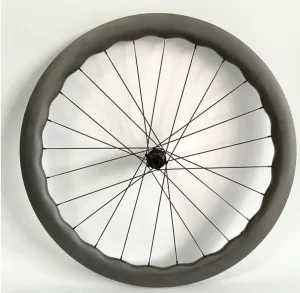
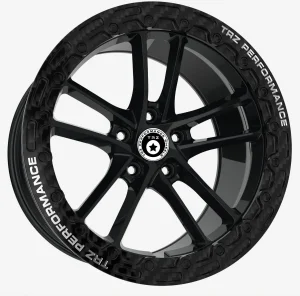
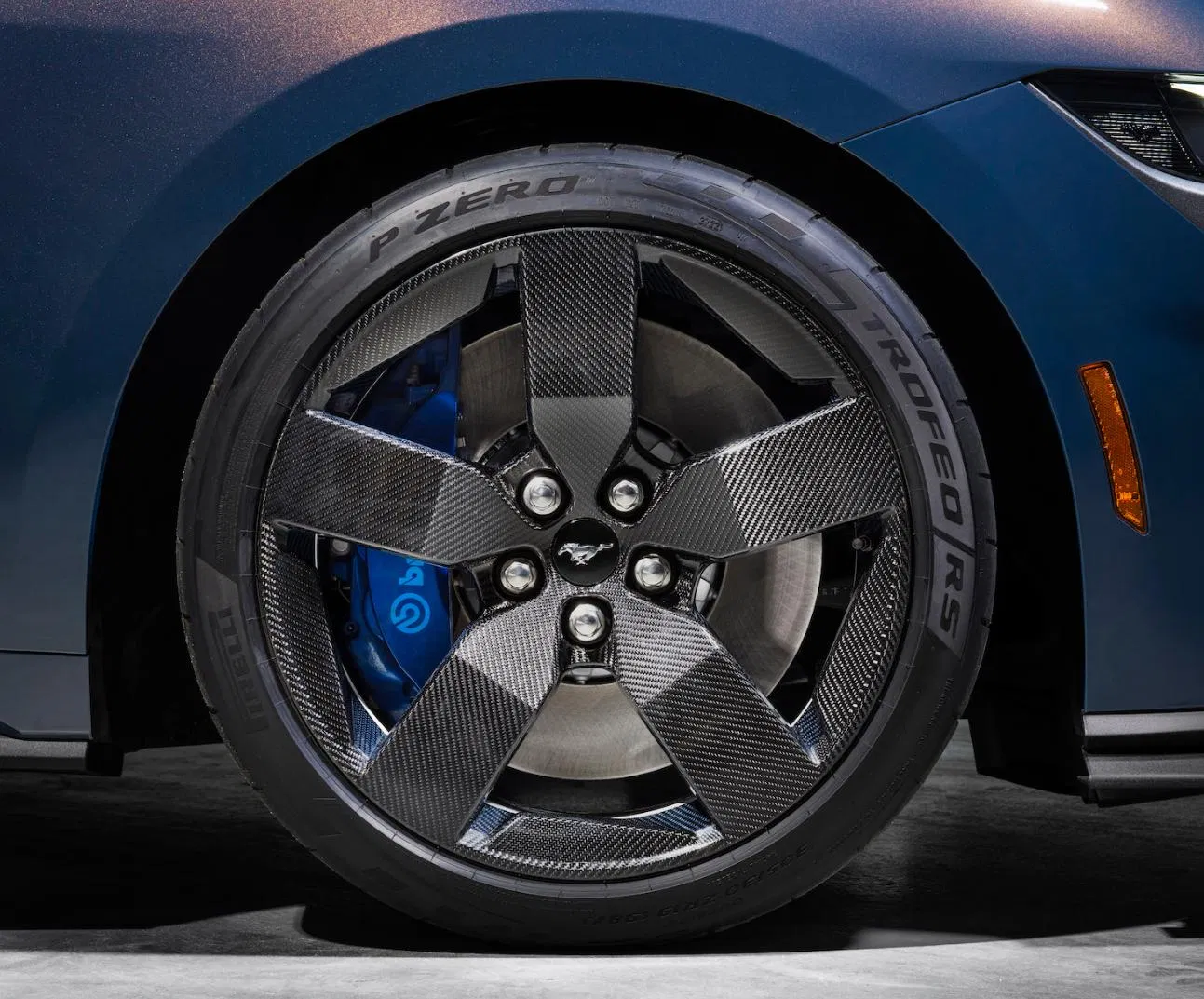
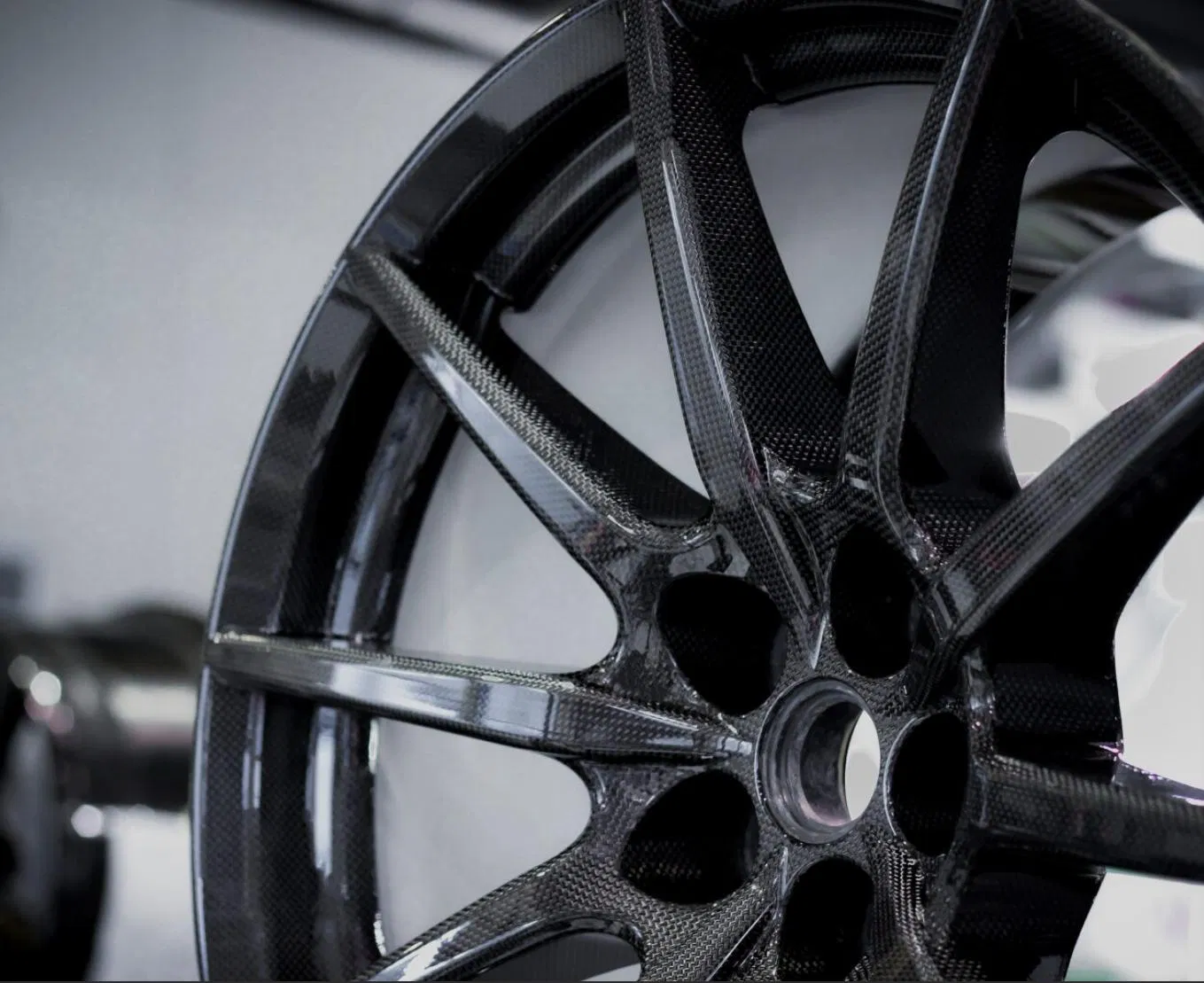
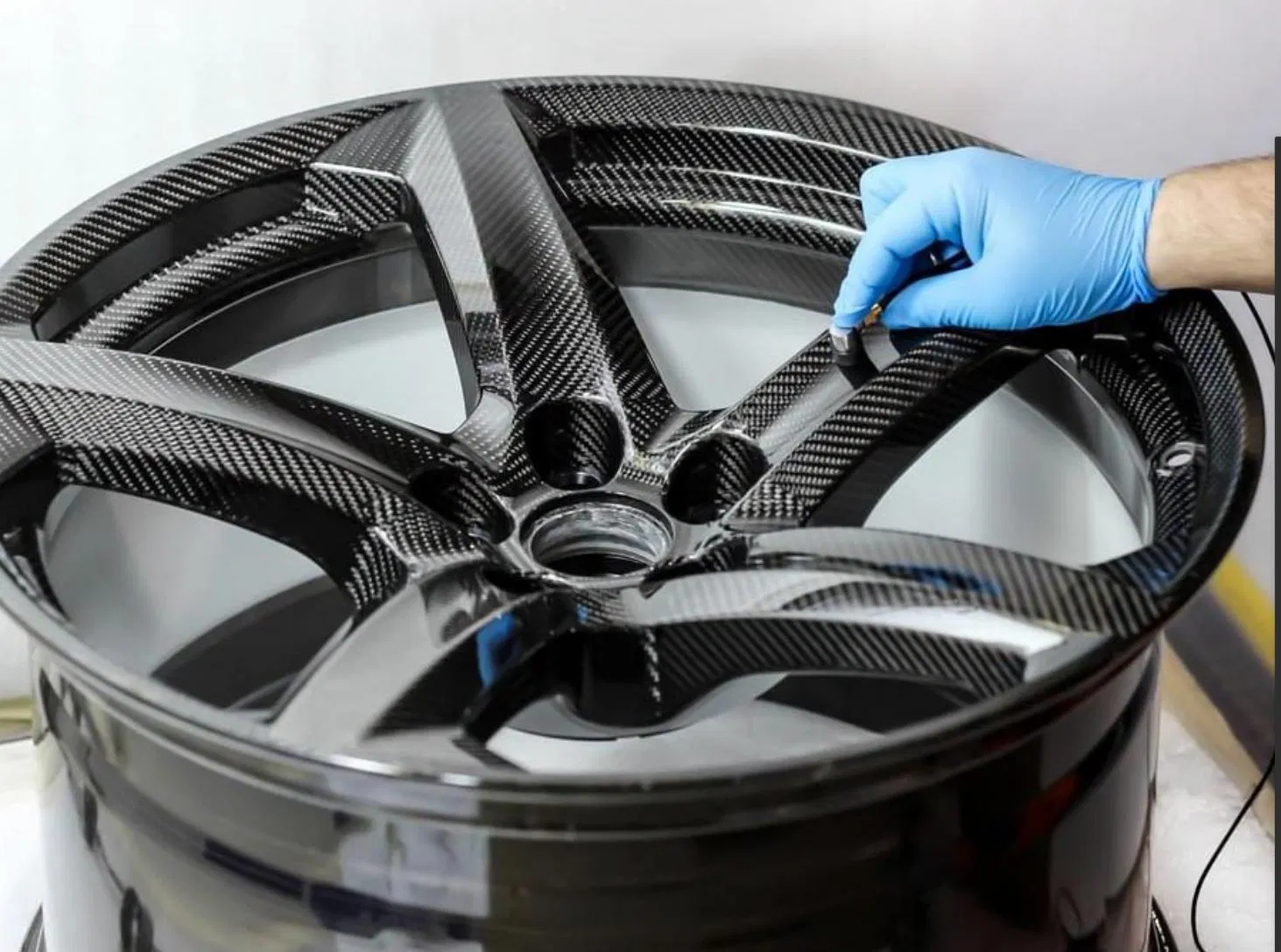
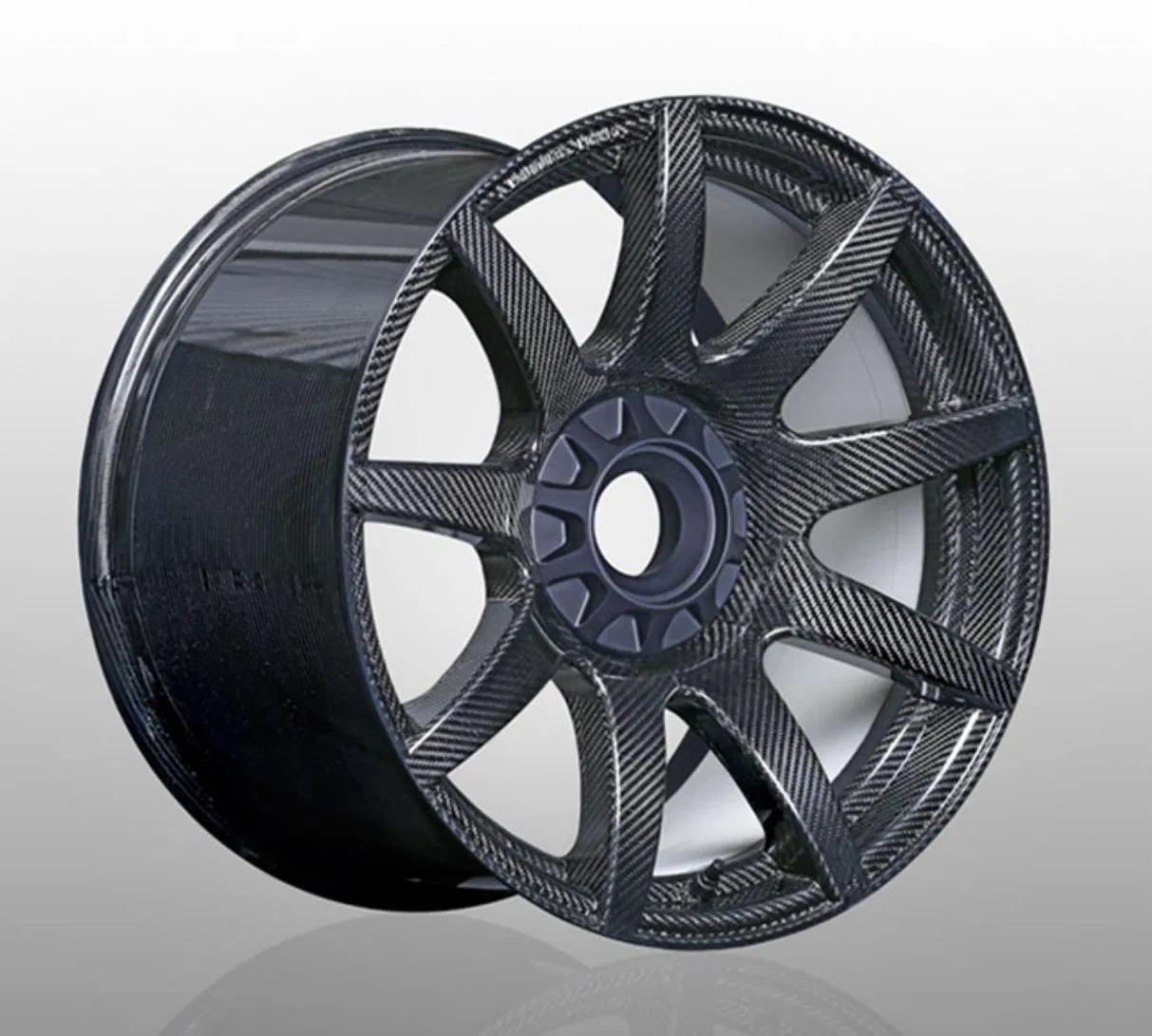
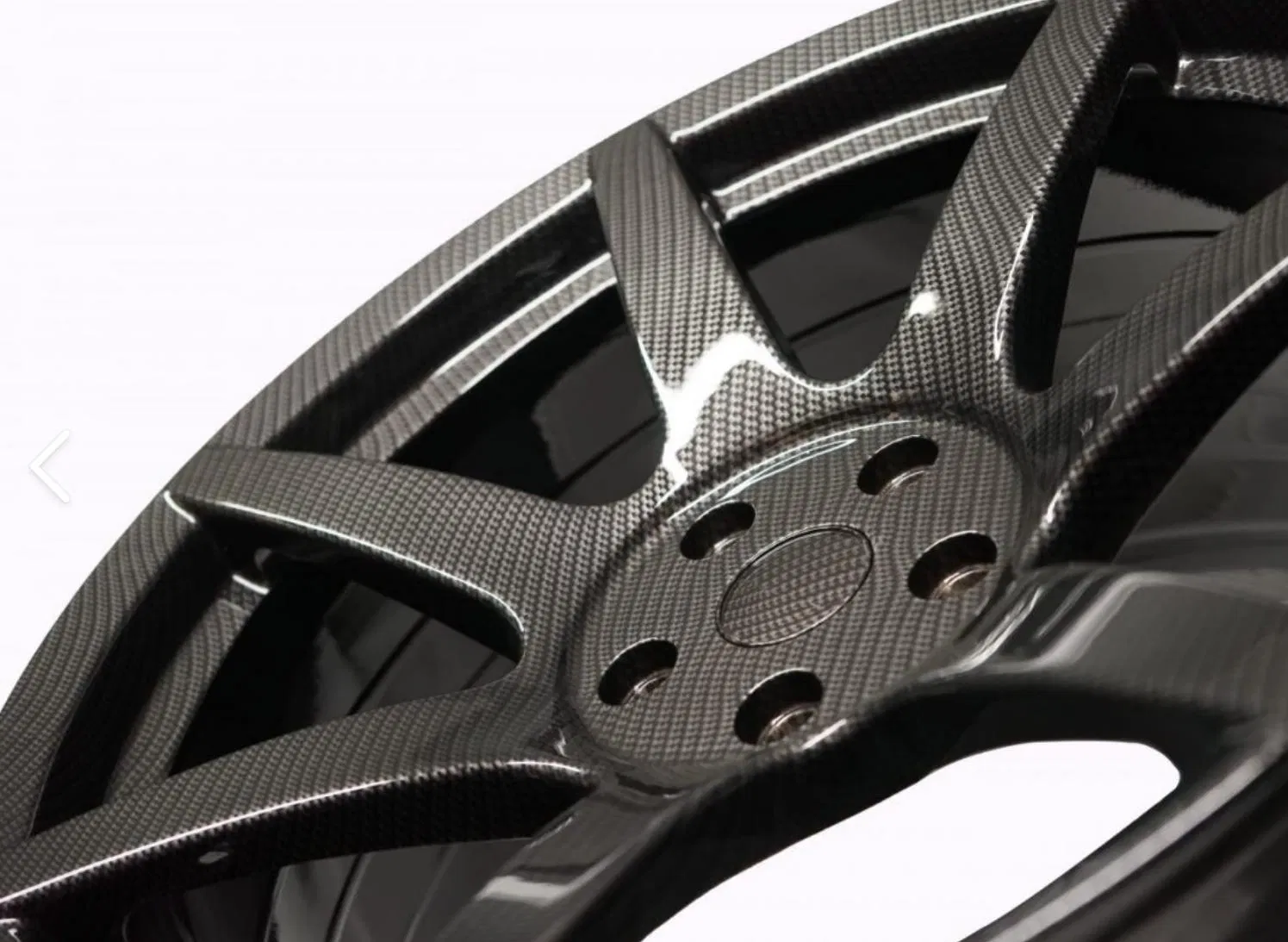
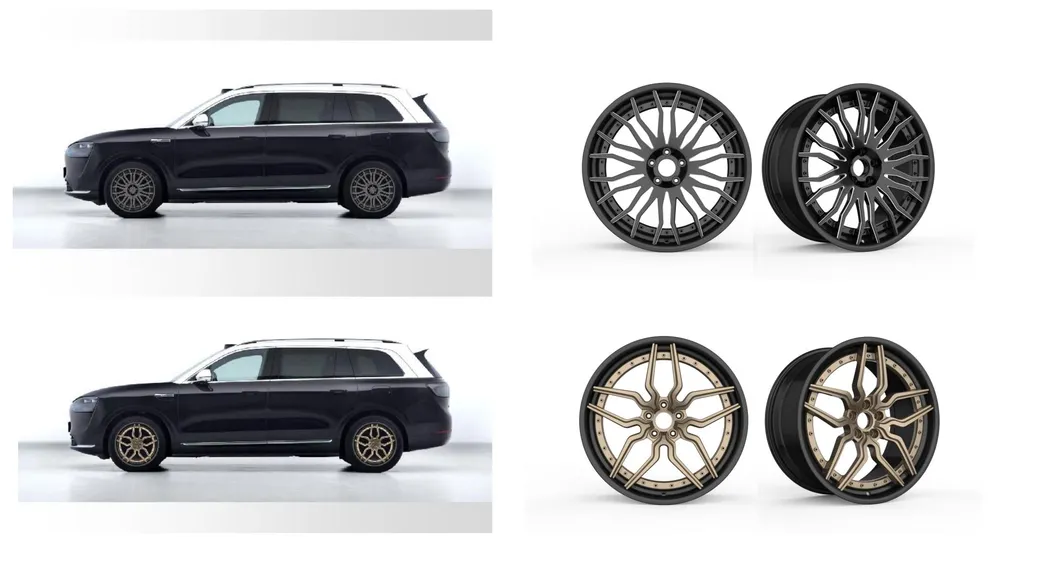
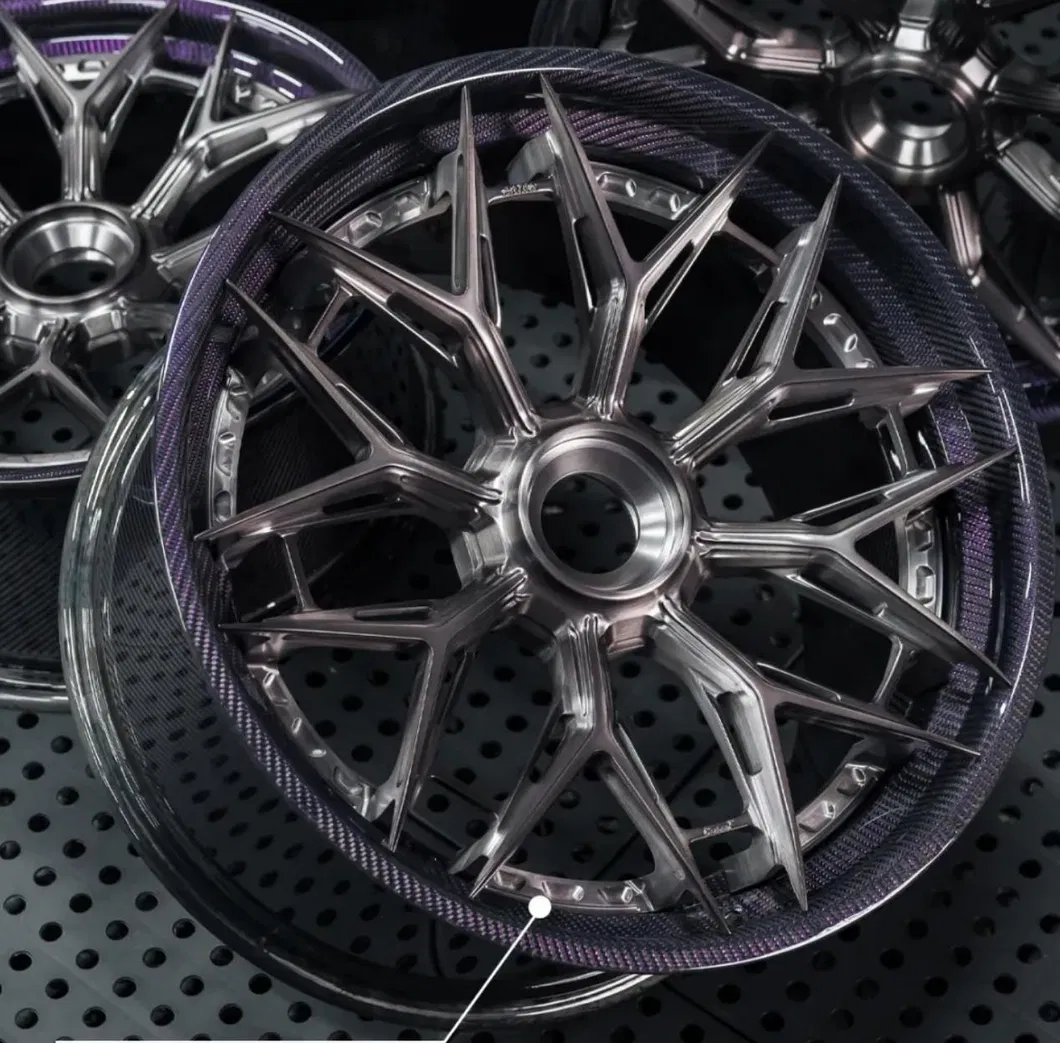
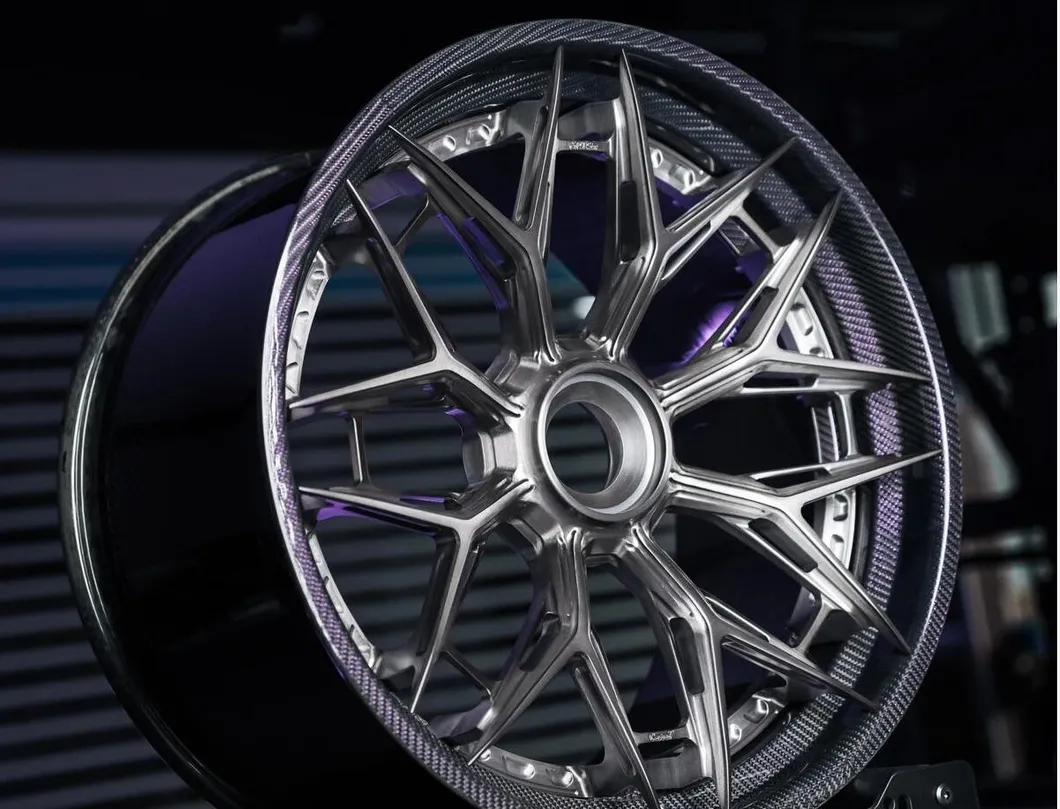
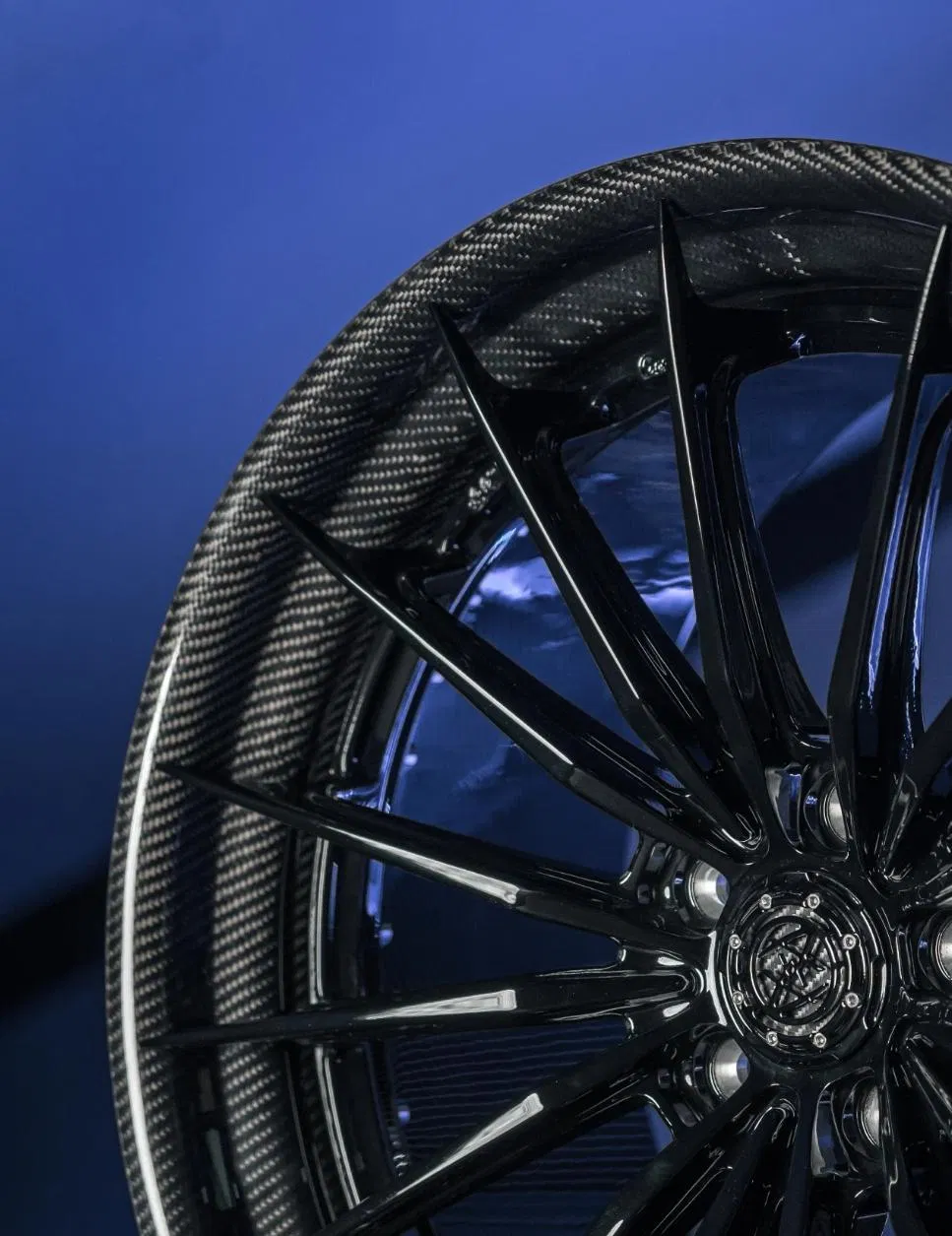
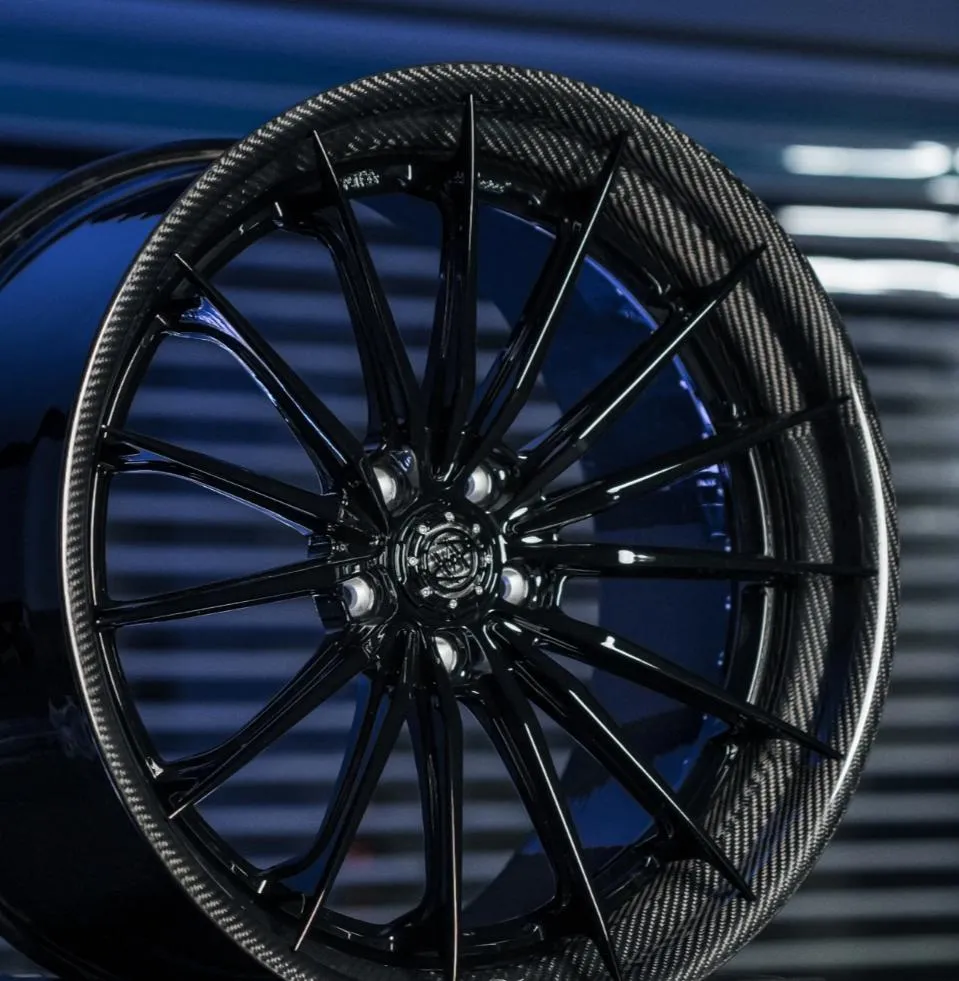
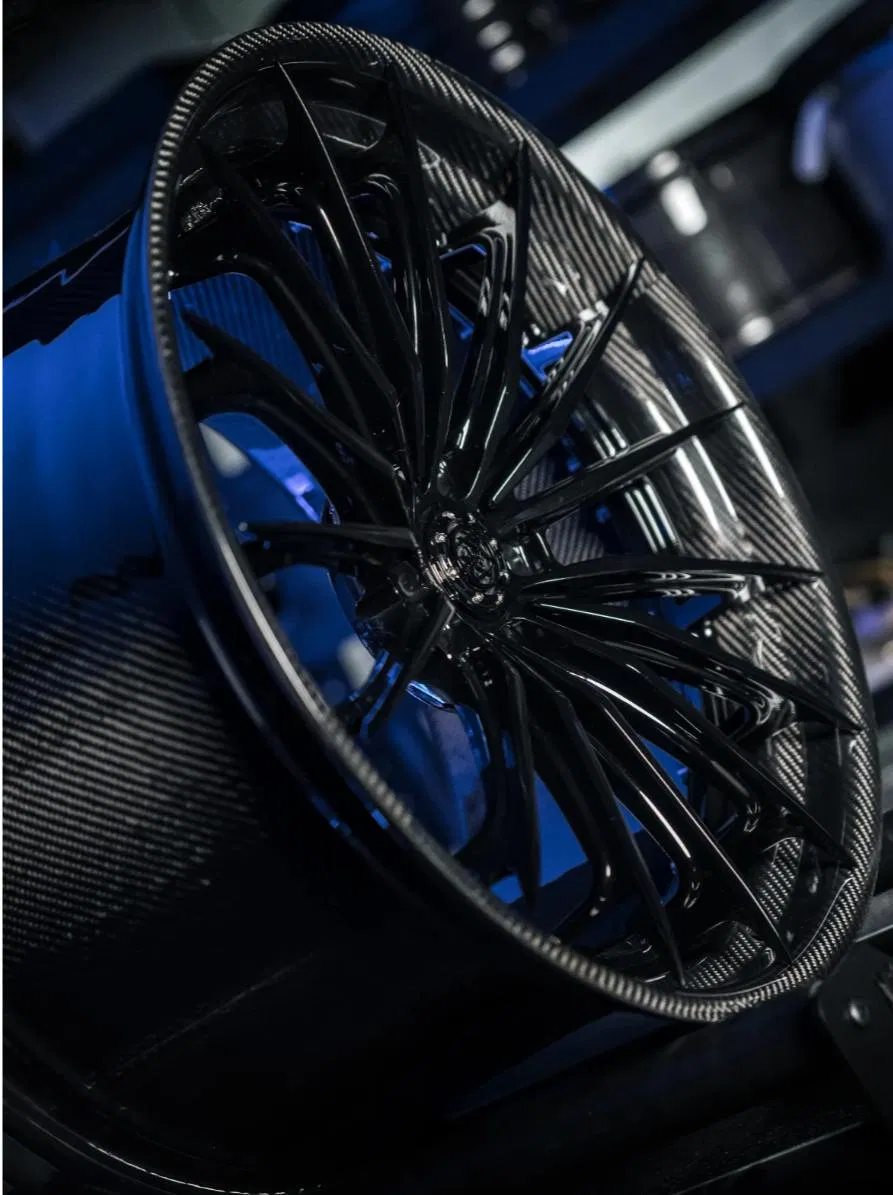
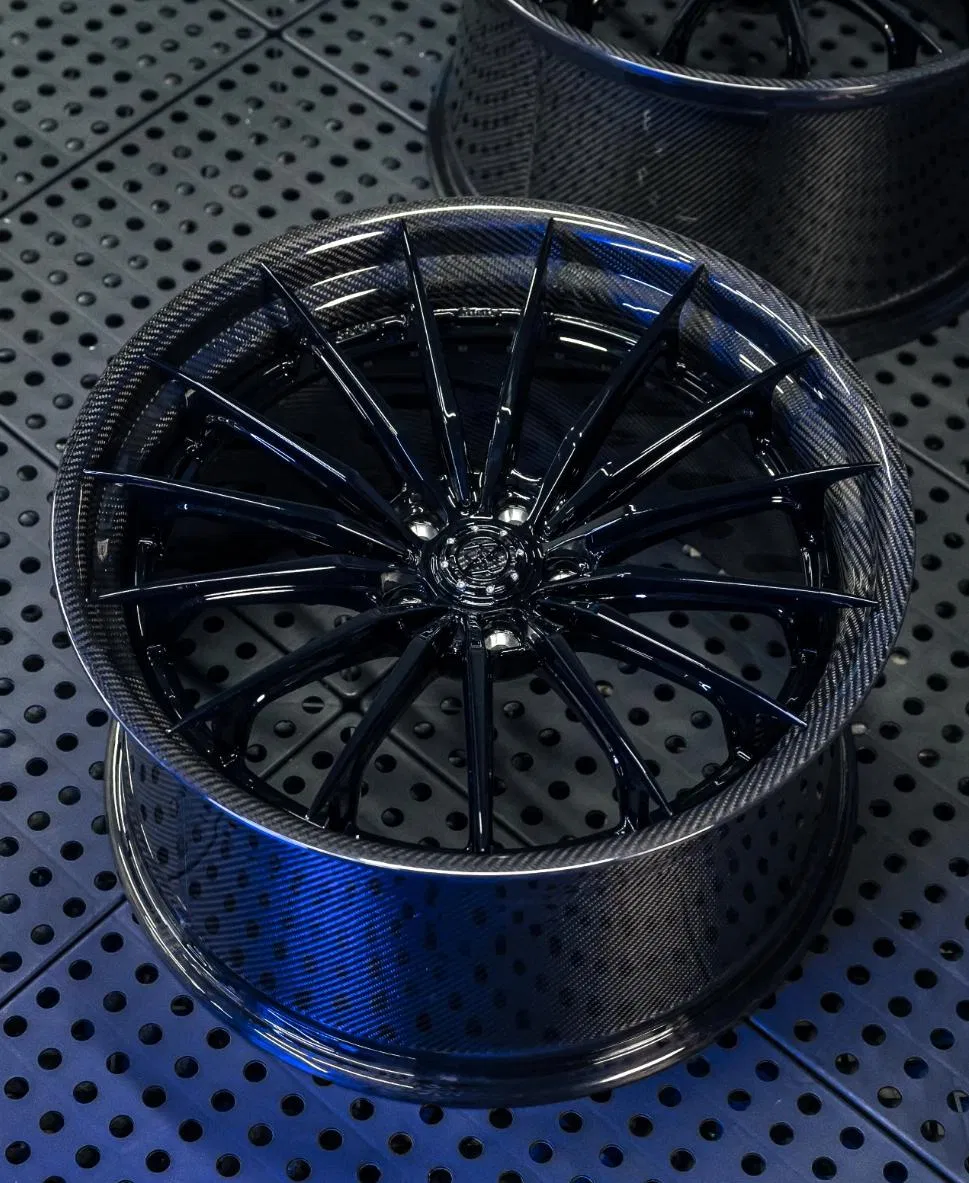
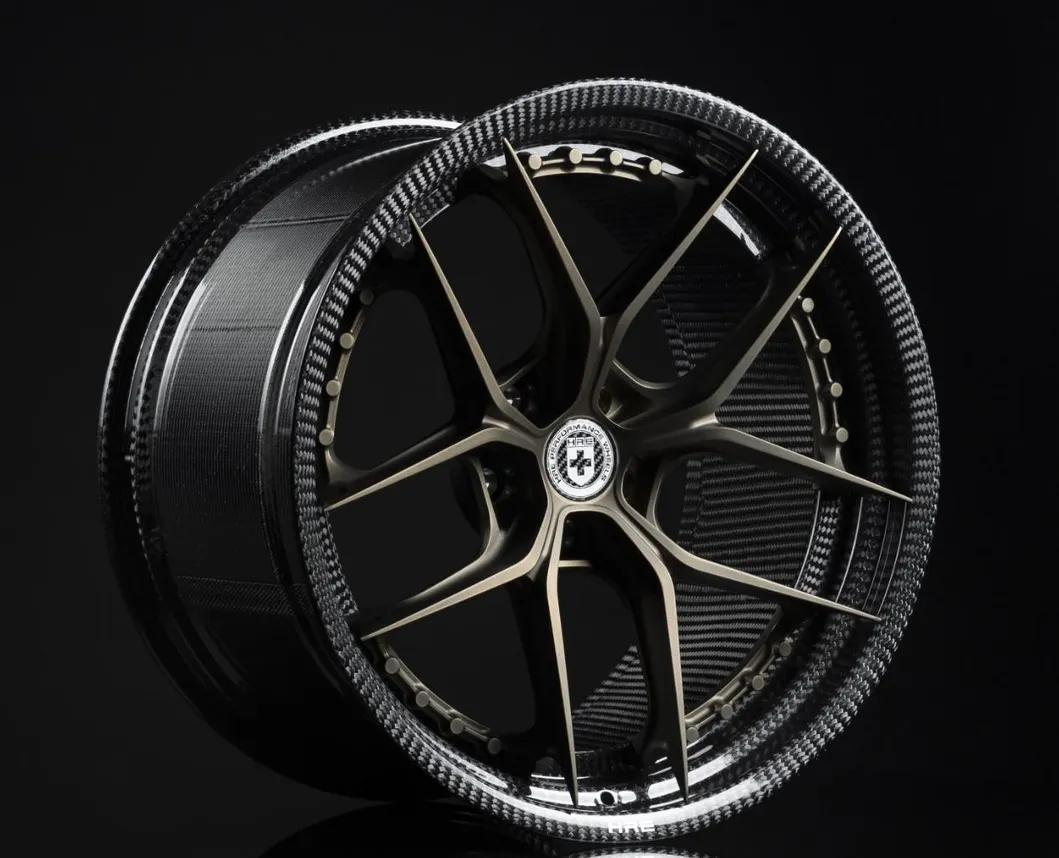
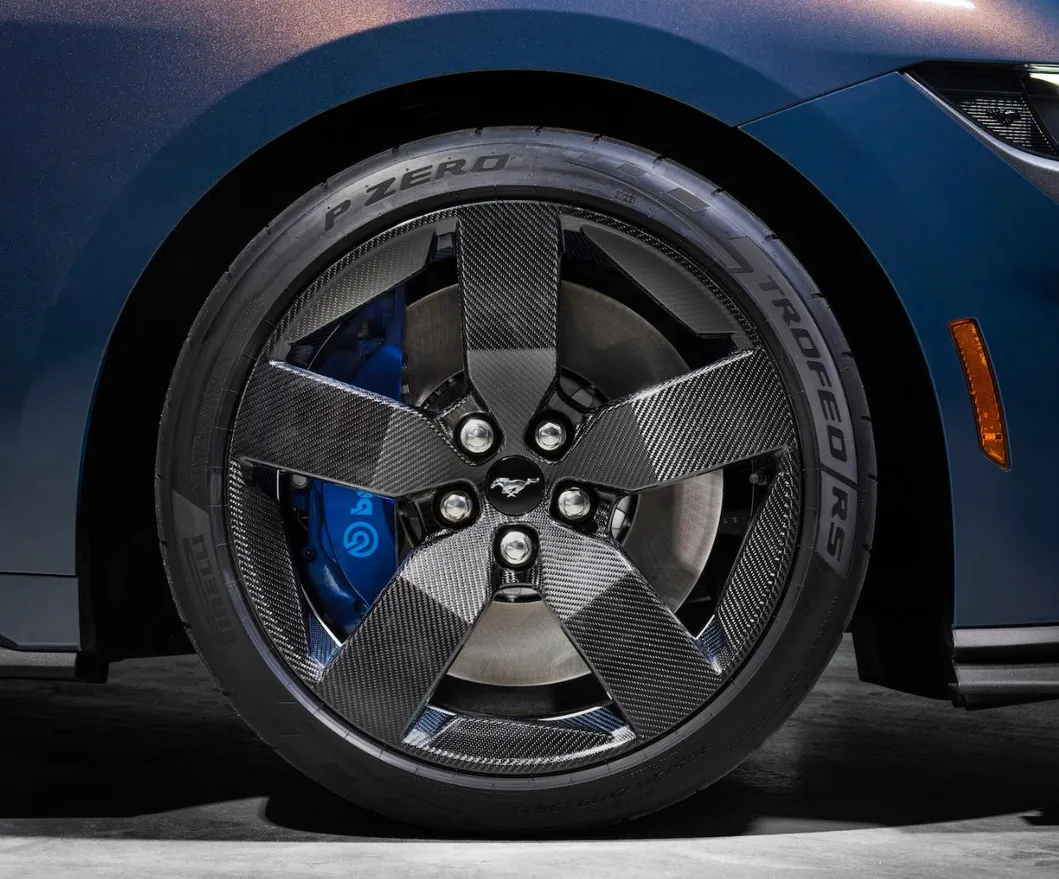
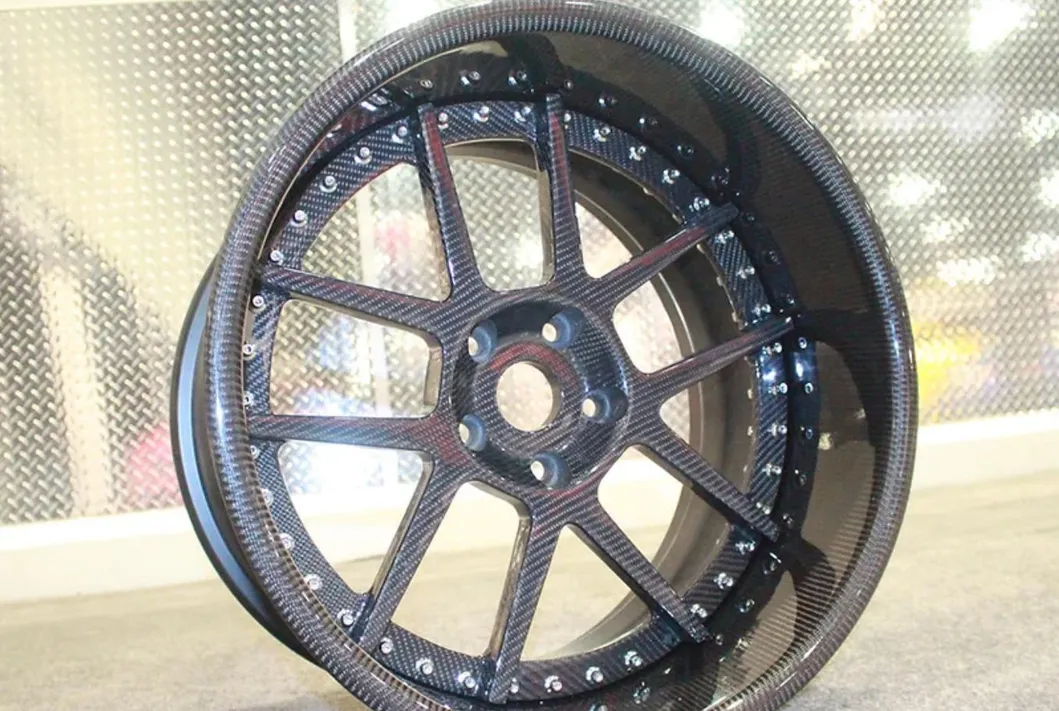
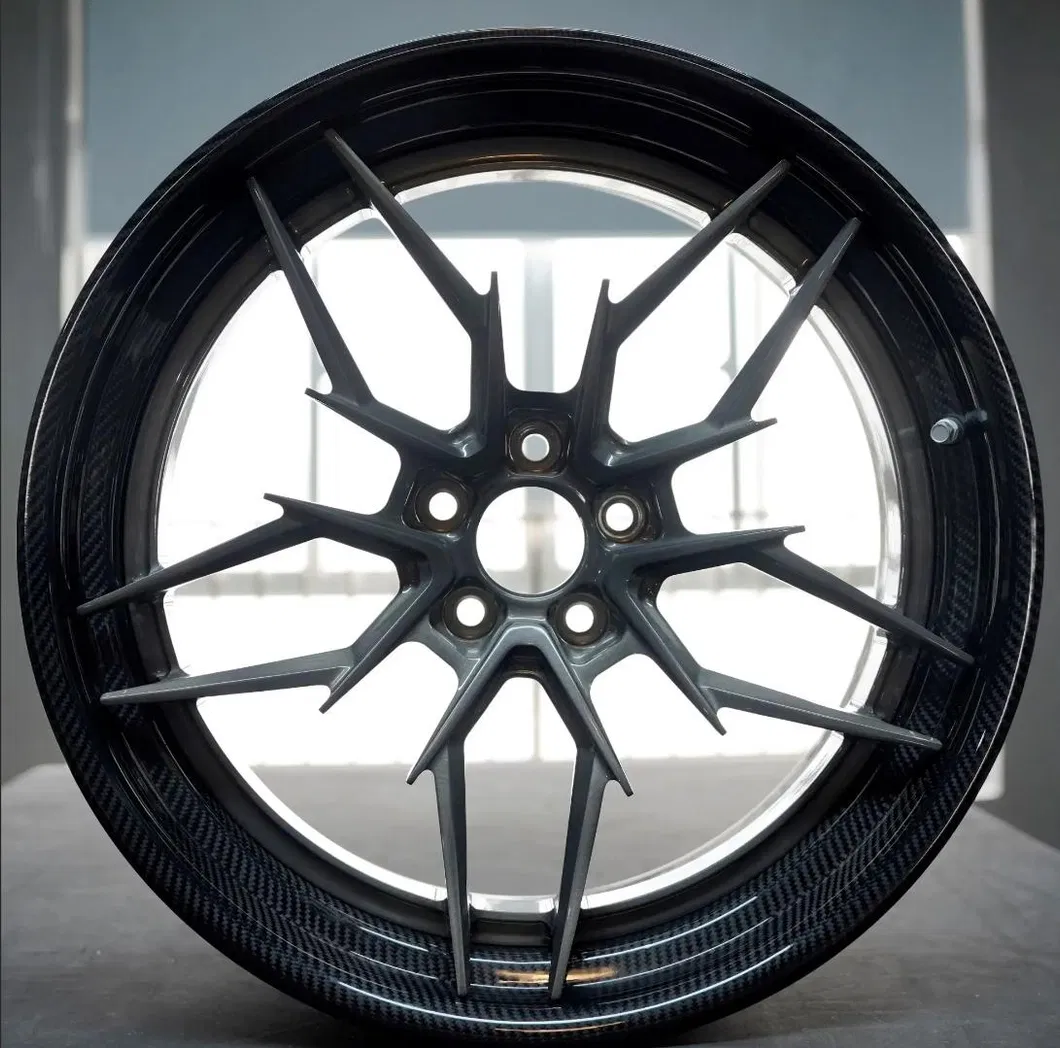
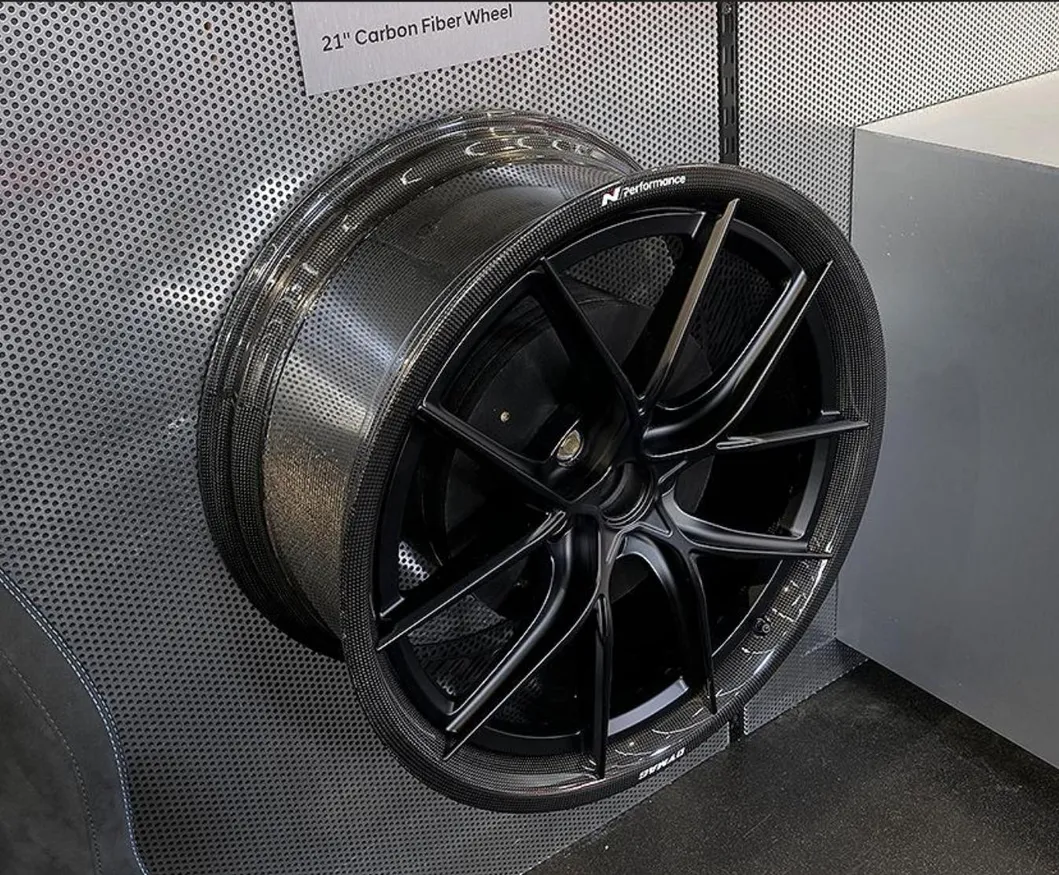
In the relentless pursuit of automotive excellence, the evolution of wheel technology has taken a monumental leap forward with the advent of carbon fiber wheels. Replacing traditional aluminum alloy wheels with carbon fiber composites offers a transformative set of advantages that fundamentally enhance a vehicle's performance, handling, and efficiency.
Carbon fiber wheels are typically 20% to 40% lighter than their forged aluminum counterparts. Reducing unsprung mass has a cascading effect on vehicle dynamics:
Carbon fiber composites exhibit minimal flex during hard cornering. This rigidity ensures consistent handling characteristics and optimal camber geometry under extreme lateral loads.
Carbon fiber is a poor conductor of heat compared to aluminum. This helps isolate the heat generated by brakes, preventing it from transferring to the tire, maintaining consistent pressure and optimal grip.
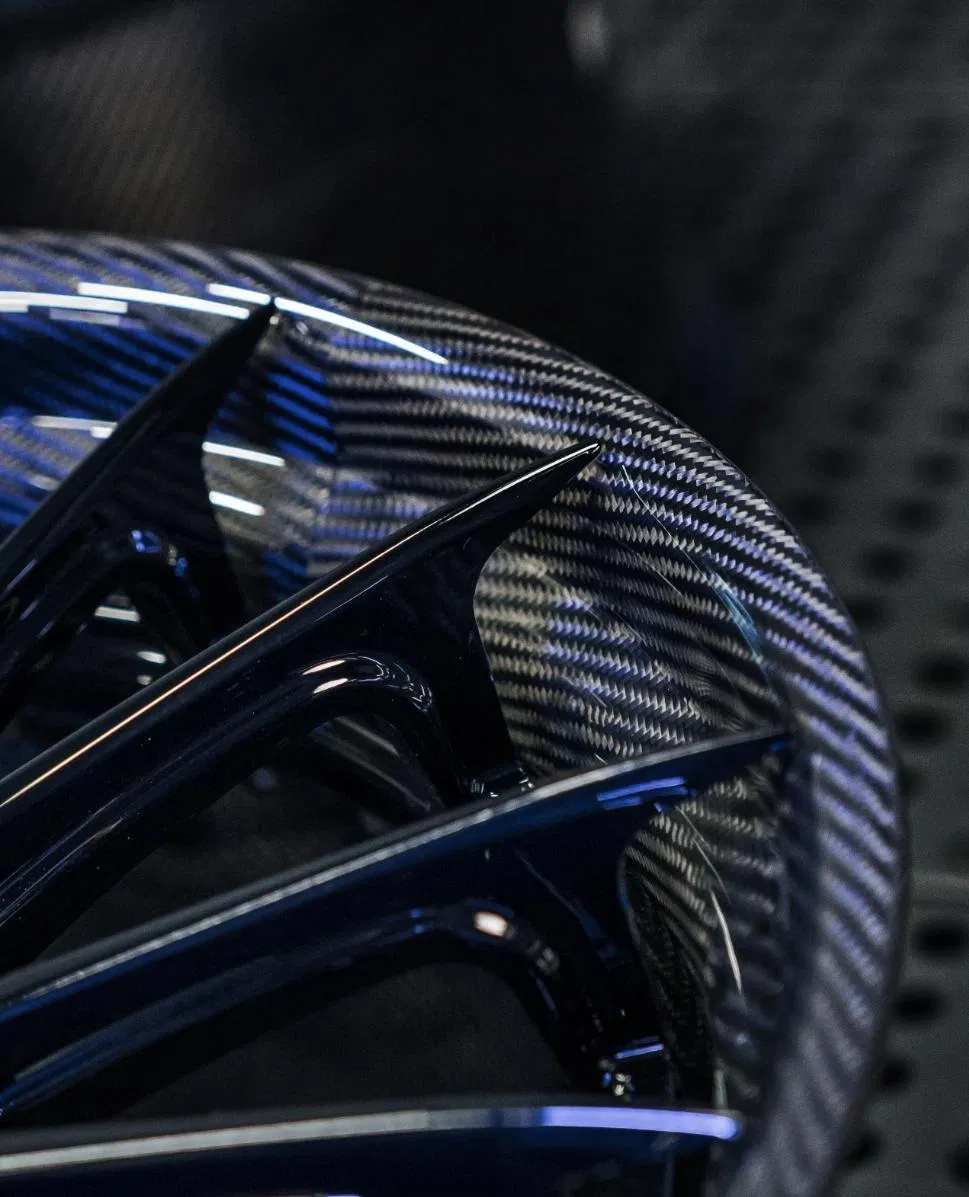
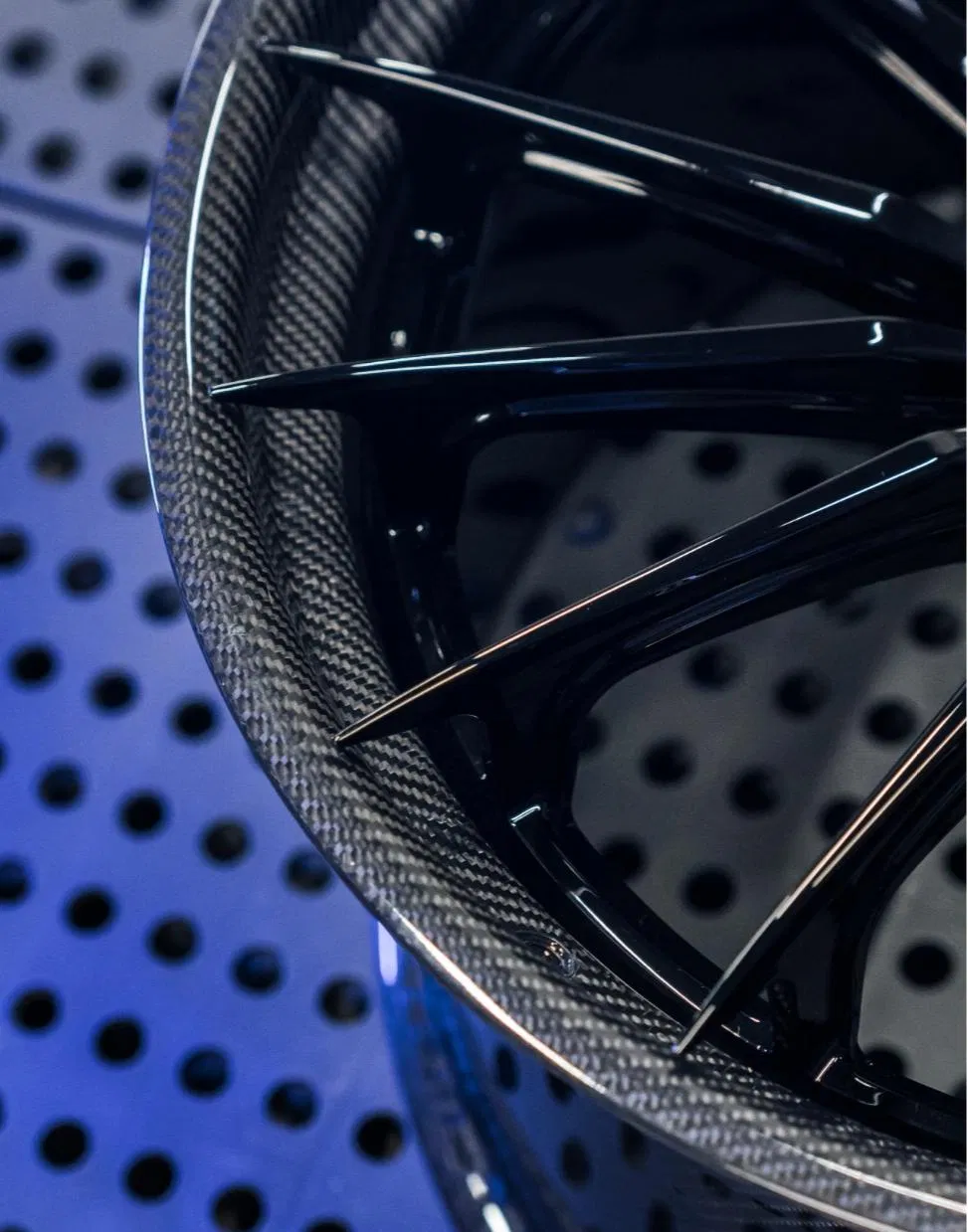
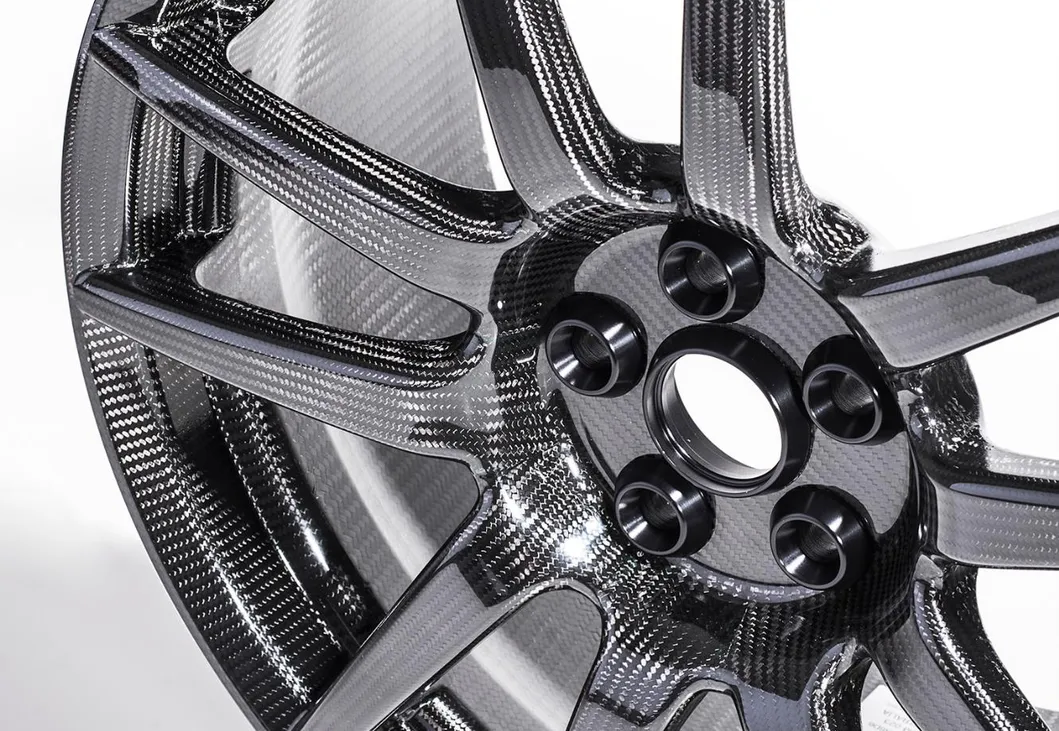
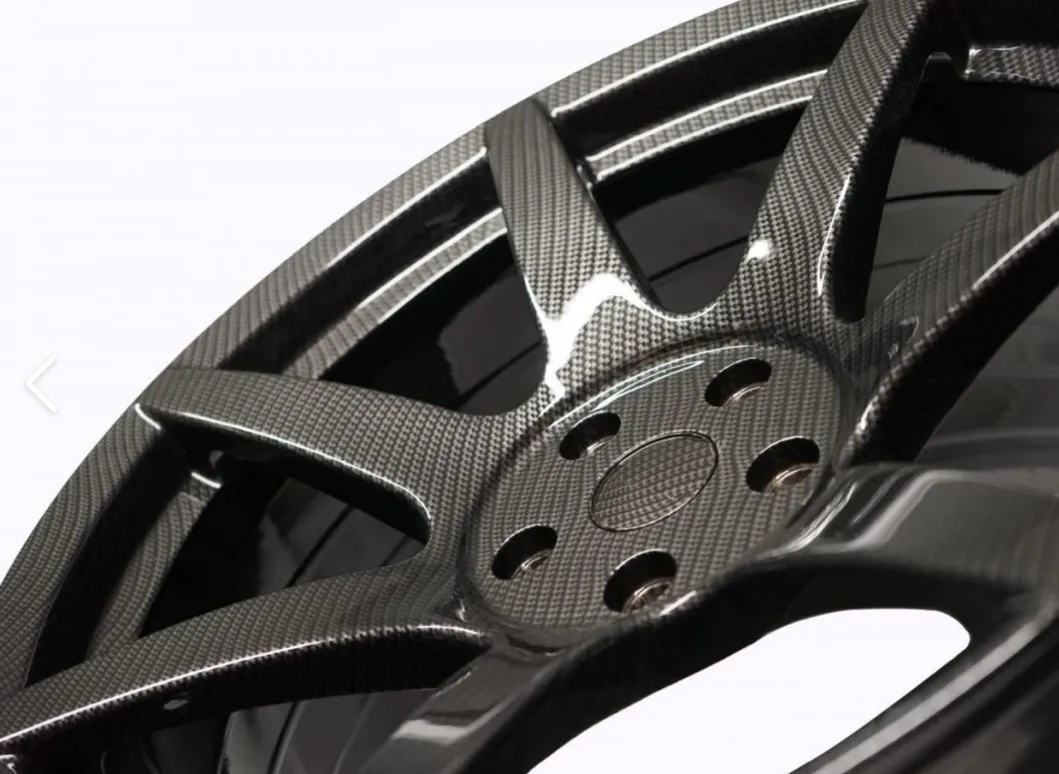
Intricate weave patterns and various finishes (gloss, matte, tinted clear coats) exude a technological and premium look that is highly sought after.
Lower unsprung mass lessens the workload on drivetrain, bearings, and suspension components, potentially reducing long-term wear and tear.