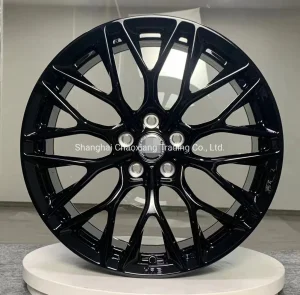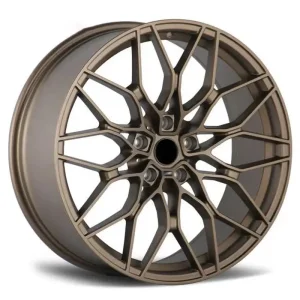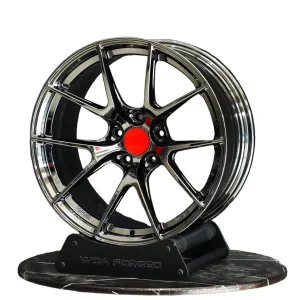

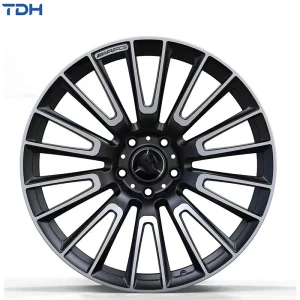
As the industrial hub of the Southern Caribbean, Trinidad and Tobago sustains a complex transport and logistics network that connects its high-output energy sectors, manufacturing complexes, and marine ports. From the point of imports at Point Lisas Industrial Estate to the heavy logistics haulage along the Solomon Hochoy Highway, commercial trucks and high-performance passenger vehicles face rigorous mechanical challenges. The local climate—combining extreme tropical heat, high moisture levels, and high coastal air salinity—demands structural materials that resist mechanical fatigue and electrochemical oxidation.
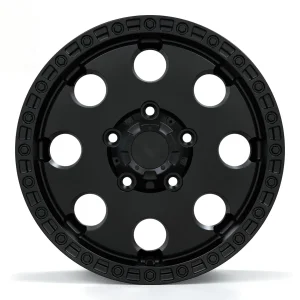
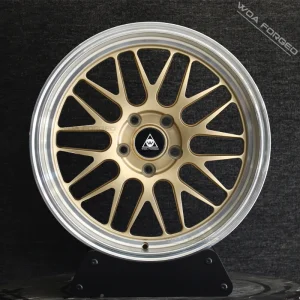
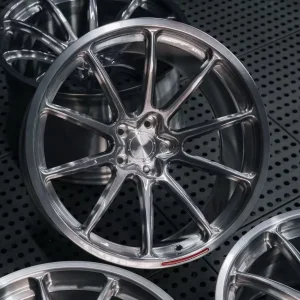
Standard cast wheels frequently fail in these situations, showing structural hairline cracks from road impacts and surface degradation due to salt exposure. Our forged aluminum wheels are specifically engineered to solve these exact issues. Utilizing advanced T6061-T6 aluminum alloys and high-tonnage precision hydraulic presses, we provide a metallurgical grain structure that offers up to three times the yield strength of conventional cast steel or low-grade alloys.
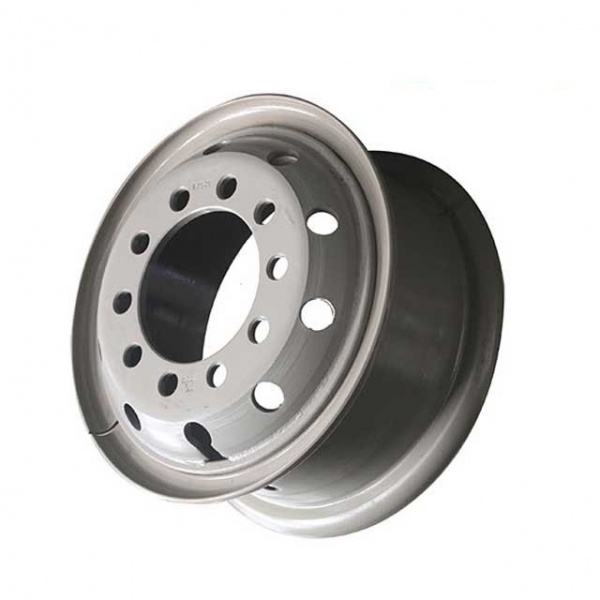
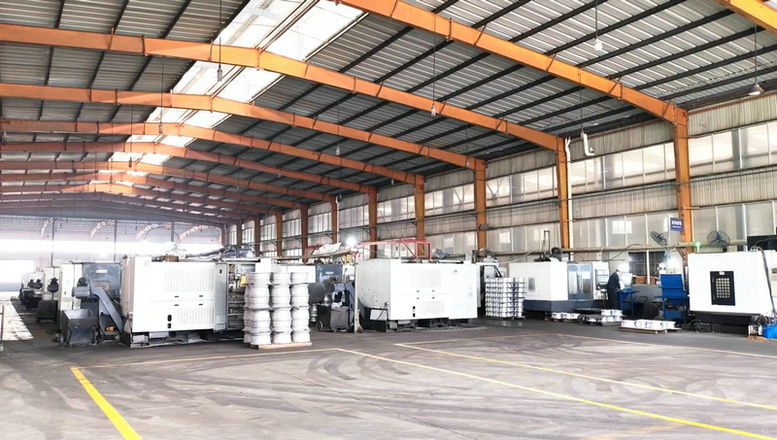
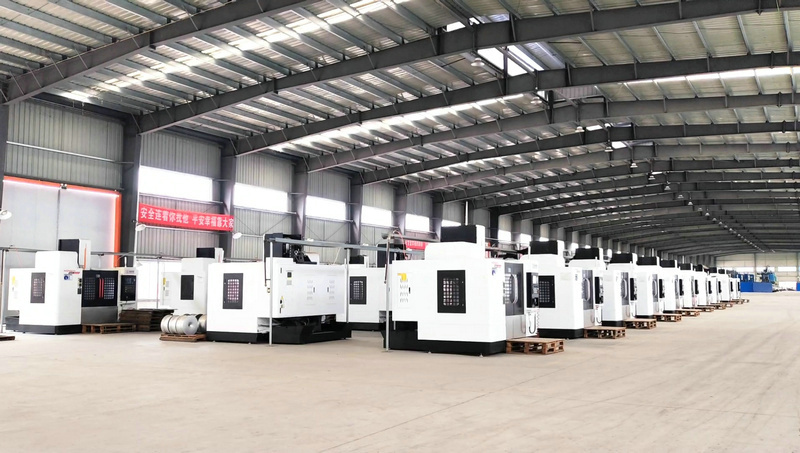
Established in 2003 with a 40,000-square-meter state-of-the-art production base and 20 registered design patents.
Strict adherence to global quality metrics with IATF 16949, SMITHERS RAPRA, and American DOT compliance.
Active shipping pathways servicing South America (30%), North America (20%), Southeast Asia (40%), and global ports.
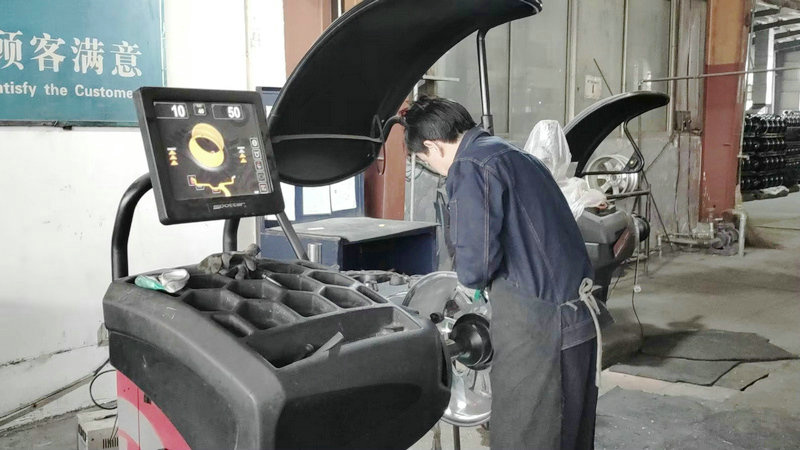
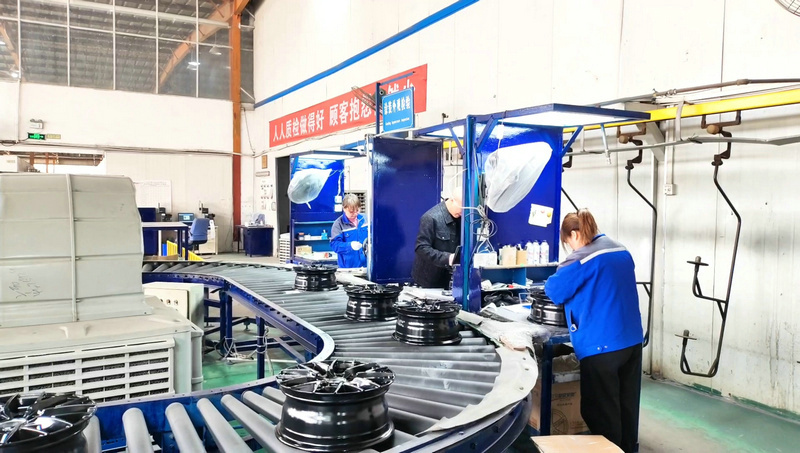
Every production run undergoes strict structural tests, helium leak tests, and dynamic fatigue checks.
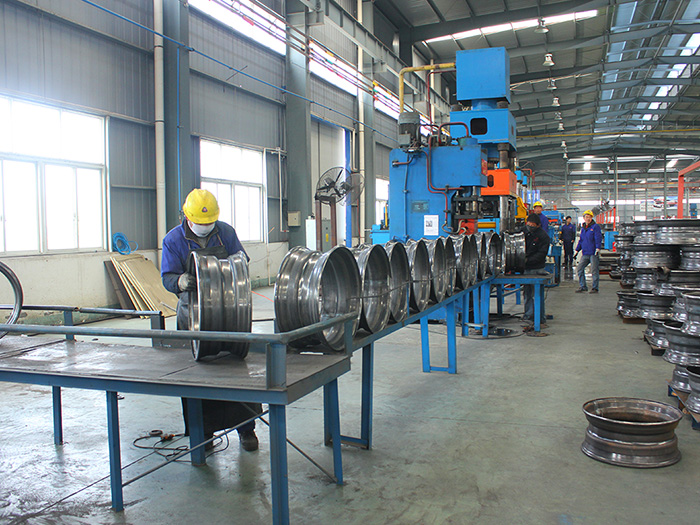
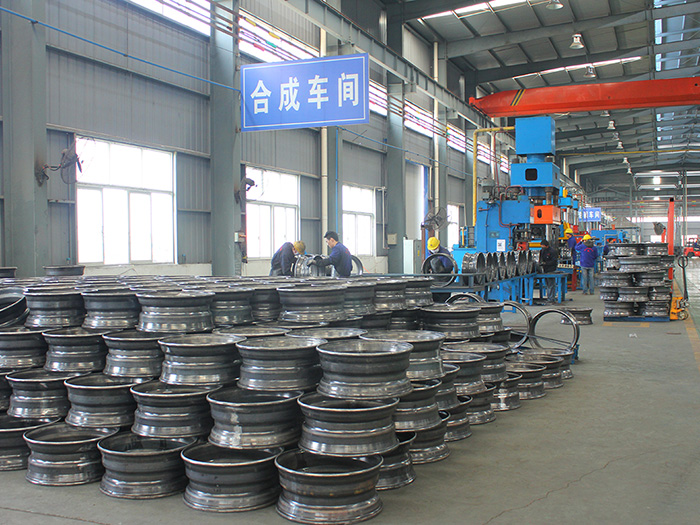
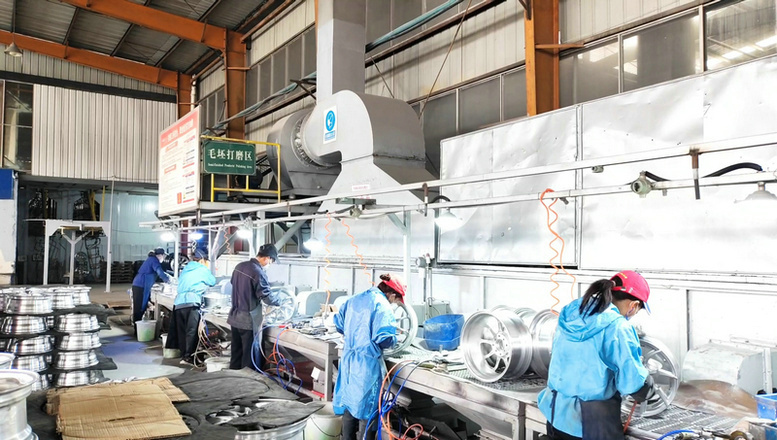
Zhengzhou Jersey Auto Co., Ltd. maintains rigorous quality control procedures at every stage of the manufacturing process. From raw material inspection to packing and shipping, our systems ensure each wheel provides optimal strength and weight savings for commercial transport networks.
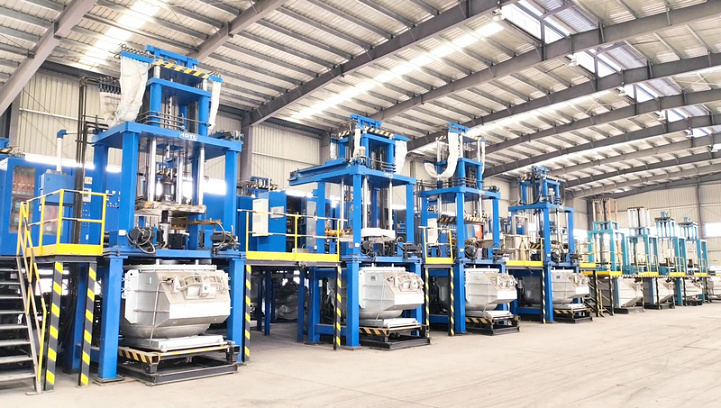
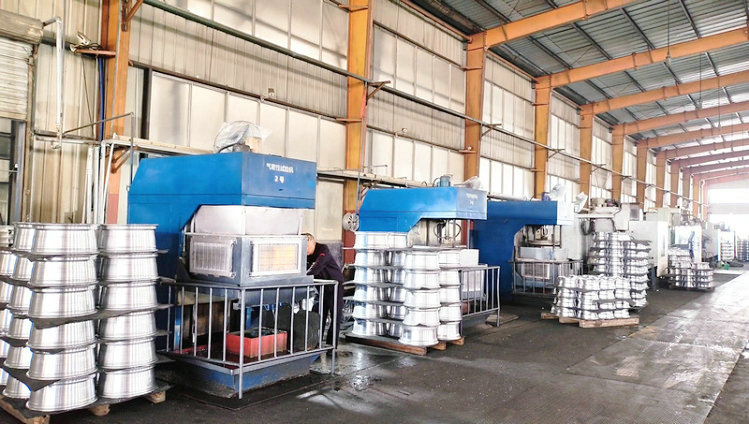
The manufacturing process for our high-capacity forged aluminum rims relies on the structural properties of 6061-T6 aluminum. Unlike conventional cast options, which are formed by pouring molten metal into a mold, our forged wheels start as solid alloy billets. These billets are subjected to multi-directional compressive forces under extreme pressure, which helps to refine and align the metal's grain flow.
This grain alignment reduces internal porosity and structural micro-voids. This enables us to design wheels that are significantly lighter than cast alternatives while maintaining high structural strength. For commercial fleets in Trinidad and Tobago carrying heavy industrial components or chemical cargo, this weight reduction helps lower unsprung mass, improve fuel economy, and reduce shock damage to suspension parts on rough road surfaces.
Operating transport fleets within Trinidad and Tobago means dealing with unique geographic and environmental challenges. Roads near industrial points, such as those at the Port of Spain and Point Lisas, are exposed to marine salt spray, high humidity, and heavy rains. Over time, these conditions can cause micro-corrosion and structural fatigue in standard wheels.
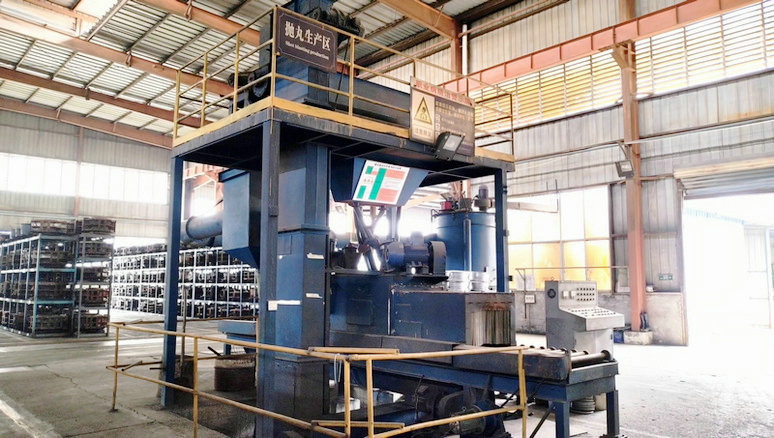
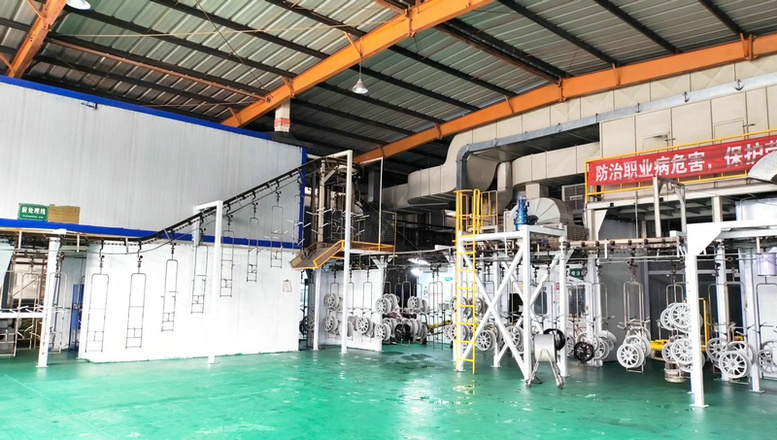
To address these factors, we apply specialized surface finishes to our wheels. Our protective clear coats and chrome plating undergo rigorous neutral salt spray (NSS) testing. This protective barrier helps prevent pitting corrosion, preserving both the structural integrity and appearance of the wheels over long service life. Furthermore, our customized wheel dimensions and lug configurations are designed to fit the common axle layouts used by commercial fleet models across the Caribbean.
| Parameter | 6061-T6 Forged Aluminum | Standard Cast Aluminum | Cast Mild Steel |
|---|---|---|---|
| Yield Strength | High (approx. 276 MPa) | Moderate (approx. 140 MPa) | Low-Moderate (approx. 220 MPa) |
| Wheel Mass | Lightweight (Reduces unsprung mass by ~35%) | Standard | Heavy |
| Impact Resistance | High deformation tolerance without fracture | Low (prone to cracking) | Deforms easily under load |
| Corrosion Protection | NSS Salt Spray Optimized Coating | Standard Painted Finish | Highly susceptible to rust |
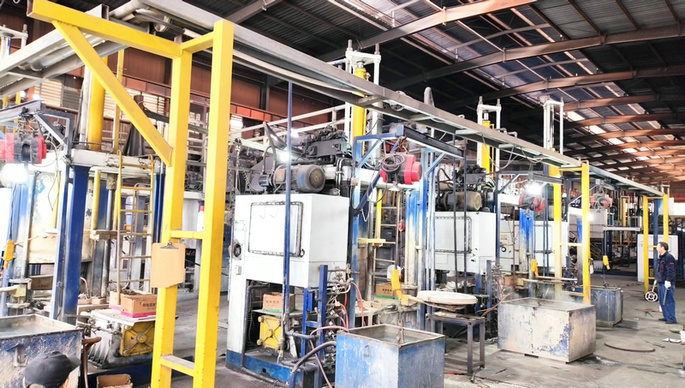
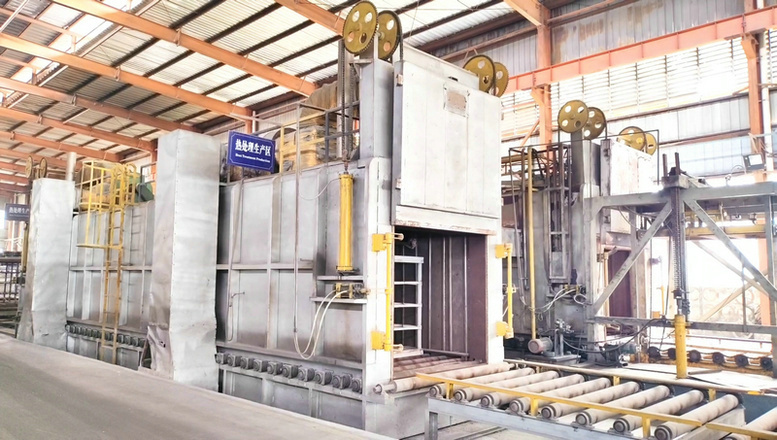
Sourcing forged aluminum wheels from Zhengzhou Jersey Auto Co., Ltd. provides Caribbean enterprises with clear cost and supply chain advantages. Our specialized factory handles all production phases internally, including ingot smelting, high-pressure forging, precision CNC finishing, and final quality control. This consolidation helps us manage costs and ensure consistent quality compared to factories that outsource key steps.
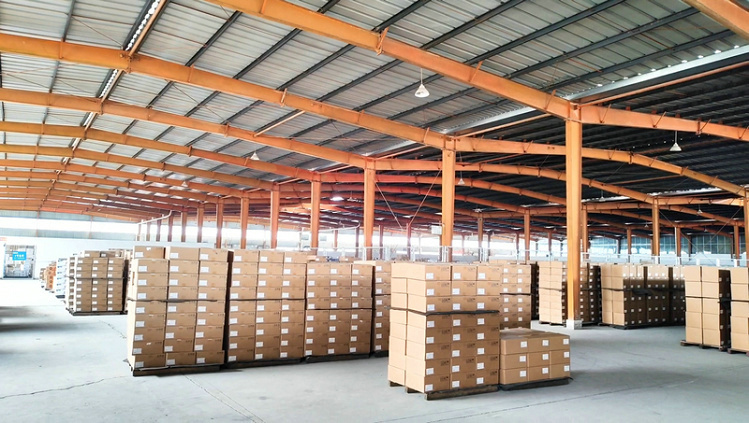
We work with international logistics providers to coordinate containerized ocean freight from major Chinese transport hubs (such as Shanghai, Ningbo, or Qingdao) directly to ports in Trinidad and Tobago. Our logistics team assists with customs clearance documentation, packing list management, and regulatory compliance certificates (including DOT and IATF 16949), helping to make the import process as straightforward as possible for local distributors.
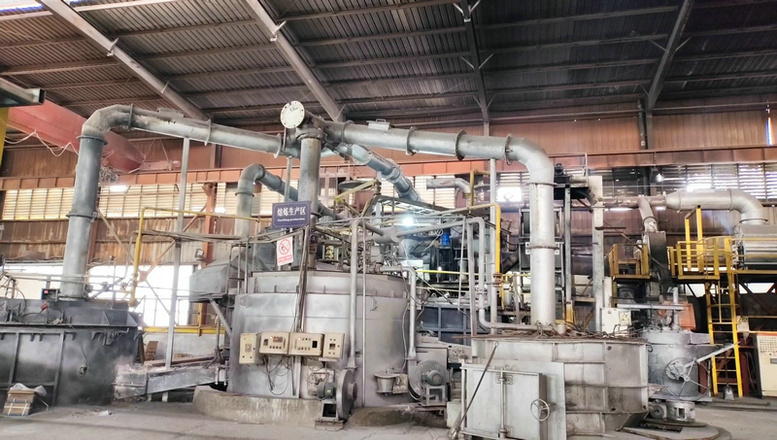


 Jersey Auto