Engineered to deliver exceptional thermal dissipation, structural durability, and aerodynamic efficiency during high-temperature operations.
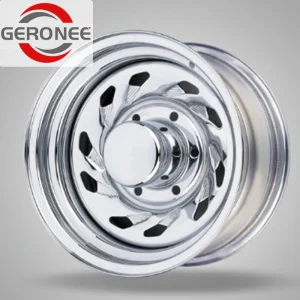
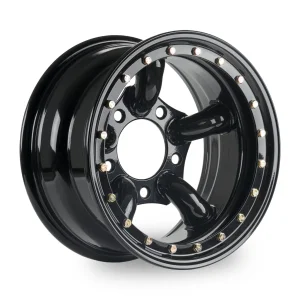
Zhengzhou Jersey Auto Co., Ltd.
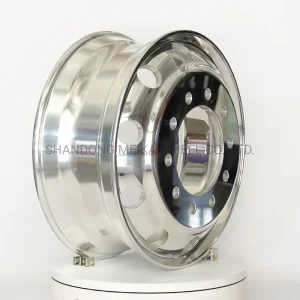
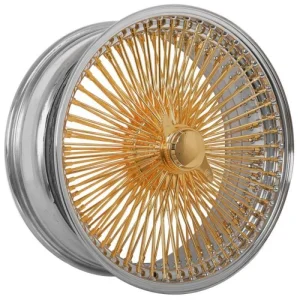
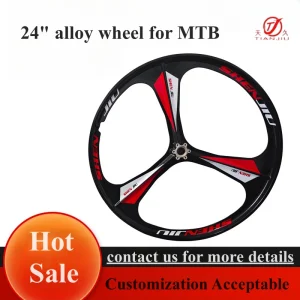
Founded in 2003, Zhengzhou Jersey Auto Co., Ltd. has established itself as an authoritative leader in the research, design, and export of high-grade automotive and industrial wheels. Our comprehensive product portfolio is structurally engineered for performance, spanning tubeless truck wheels, heavy-duty tube truck wheels, lightweight forged aluminum alloys, and magnesium-alloy configurations optimized for summer operations.
Our operation is systematically aligned with the rigid compliance matrix of international automotive frameworks. We have secured IATF 16949 certification, SMITHERS RAPRA accreditation, and United States DOT (Department of Transportation) registration, guaranteeing that each wheel coming off our line stands up to the extreme safety requirements of long-haul logistics and high-speed transit. Our strategic distribution network covers key markets in North America, South America, Southeast Asia, Russia, the Middle East, and Africa.
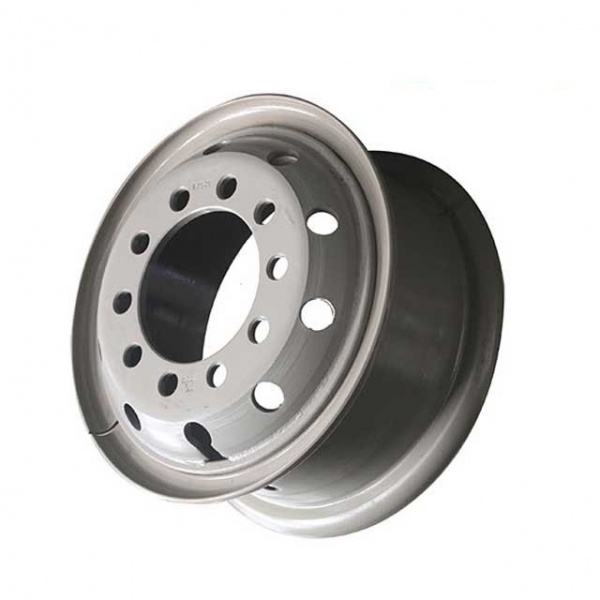
Balancing industrial-scale capacity with precise metallurgical excellence.
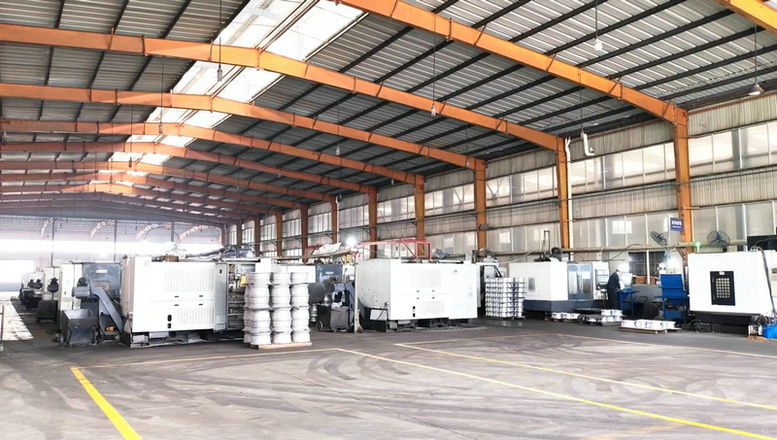
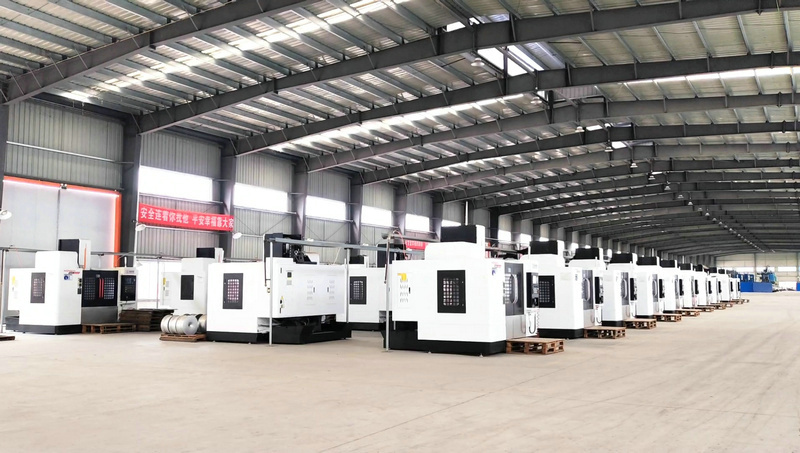
Over 16 years of specialized manufacturing experience, operating a state-of-the-art 40,000-square-meter facility with over 20 proprietary design patents.
Diversified distribution supplying Southeast Asia (40%), South America (30%), North America (20%), and the Middle East/Africa/Europe (10%).
Equipped with certified lab testing matching Smithers Rapra, DOT, and IATF 16949 standards, ensuring compliance across regions.
Integrating energy recovery and emissions-controlled aluminum-magnesium recycling lines to satisfy global CSR procurement mandates.
Adapting to rising global temperatures, high-speed logistics requirements, and electric vehicle adoption.
Sustained high ambient temperatures during summer months degrade braking performance. Our engineers utilize advanced finite element analysis (FEA) to design open-spoke geometry that creates a venturi effect. This accelerates airflow over brake calipers and brake discs, decreasing brake fade and improving system lifespan by up to 22% compared to standard steel designs.
By shifting from conventional gravity casting to high-pressure forging and flow forming, we align the crystalline grain structure of the aluminum-magnesium alloy. This improves tensile strength and elongation, allowing for thinner outer lips. It reduces unsprung mass, resulting in improved steering response and acceleration.
Electric Vehicles (EVs) present higher curb weight and instant torque, which subjects wheels to extreme radial stresses. Our summer wheels are engineered with reinforced inner rims and beadlock profiles to prevent tire slippage during high torque demands, while maintaining a low weight profile to preserve EV range.
Optimized supply chain strategies tailored for wholesale buyers, OEM automotive brands, and commercial fleet managers.
We work closely with Tier-1 automotive brands and agricultural machinery distributors to manufacture custom wheels tailored to specific target markets. From custom lug patterns to specific offsets (ET) and PCD values, our engineering team utilizes CAD/CAM models to expedite prototype development and bulk production runs.
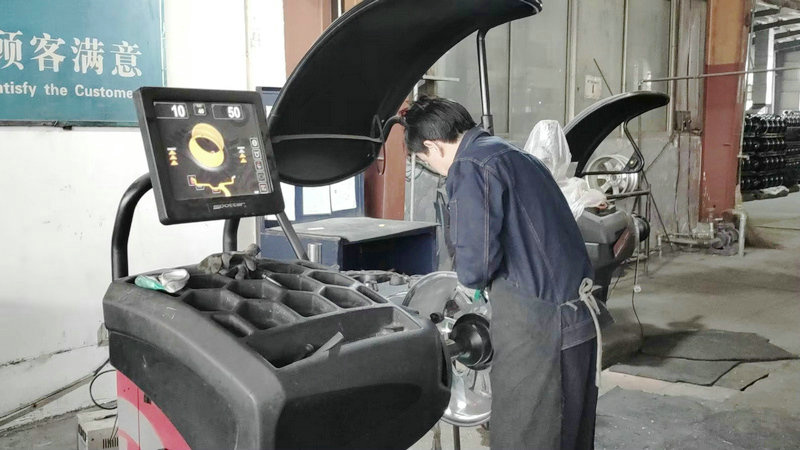
Quality management at Zhengzhou Jersey Auto is integrated directly into the manufacturing lines, rather than being treated as an afterthought. We implement spectral analysis on raw material ingots to ensure proper composition. Additionally, we conduct ultrasonic void scanning on finished products, along with helium-gas leak detection to guarantee tubeless tire pressure retention.
Wheels are sensitive to finish damage and impact during ocean transit. Our packaging system uses heavy-duty, double-walled corrugated cartons with custom-molded polyethylene foam rim protectors. We also include moisture-absorbent desiccant packs to prevent surface oxidation in humid oceanic shipping lanes.
With an established logistics network covering key ports like Qingdao, Shanghai, and Ningbo, we offer optimized shipping paths and document clearance services. This helps mitigate demurrage risks and ensures prompt delivery during the peak procurement seasons for summer automotive equipment.
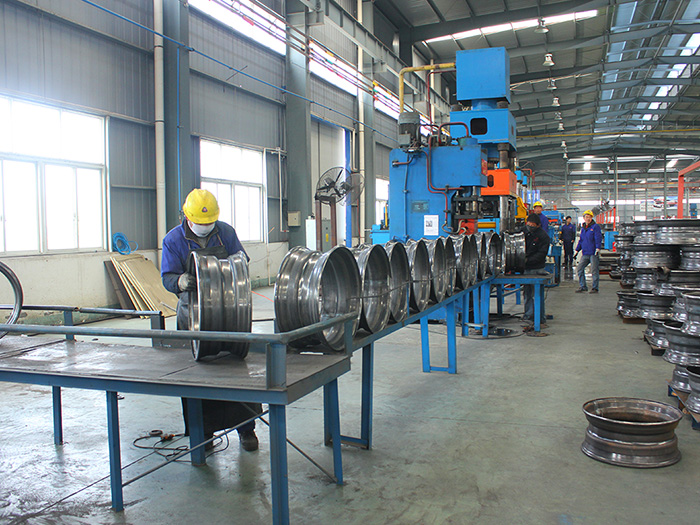
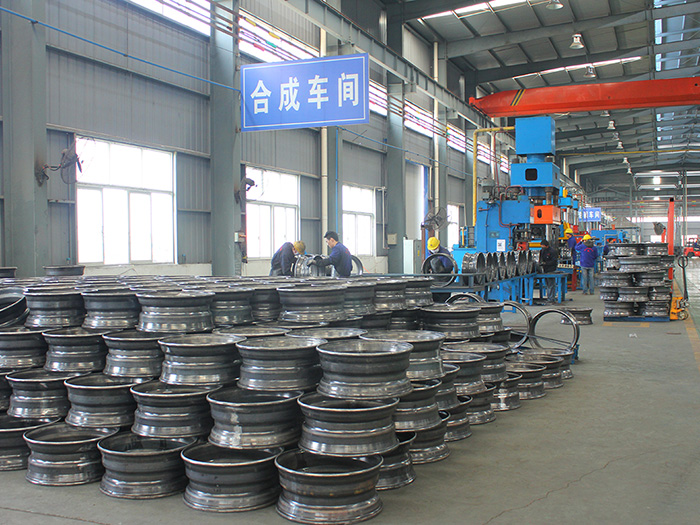
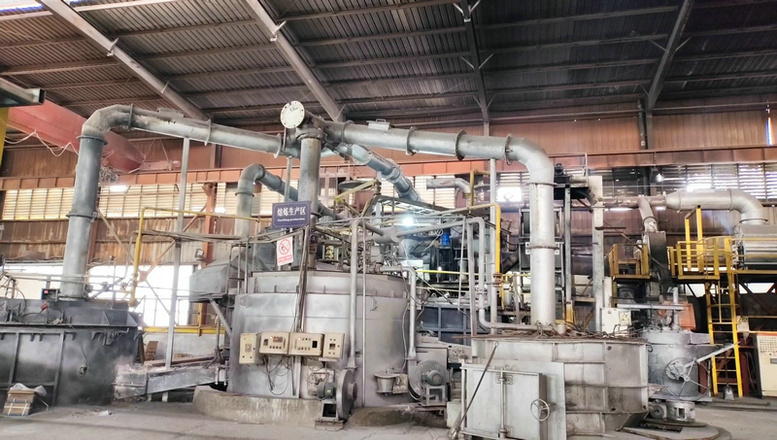
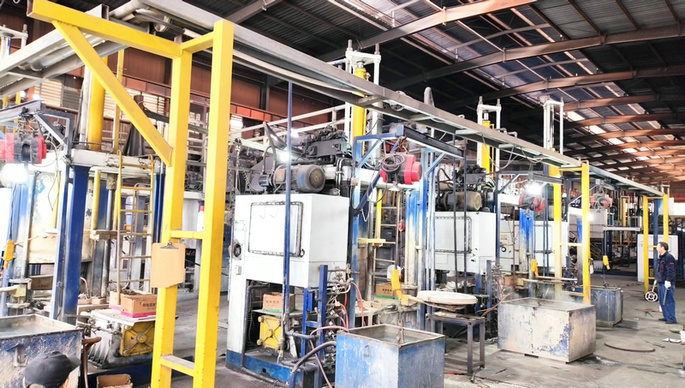
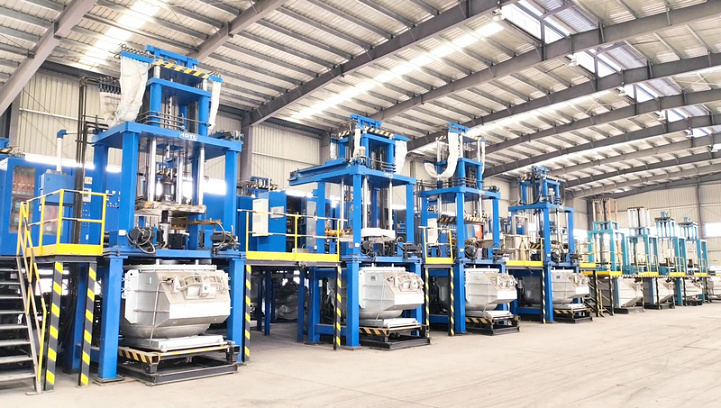
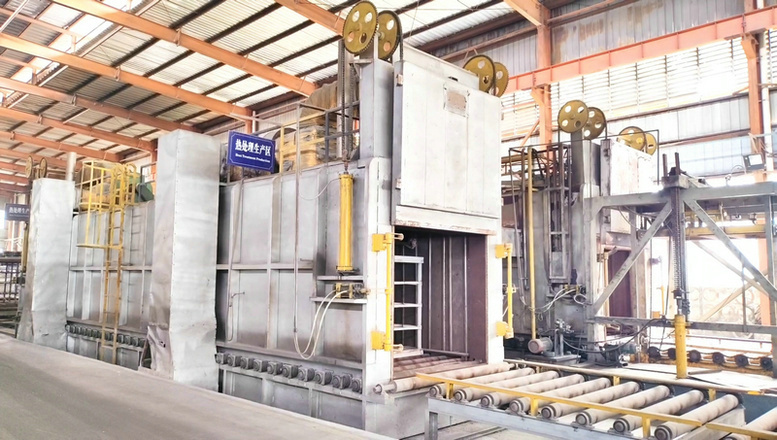
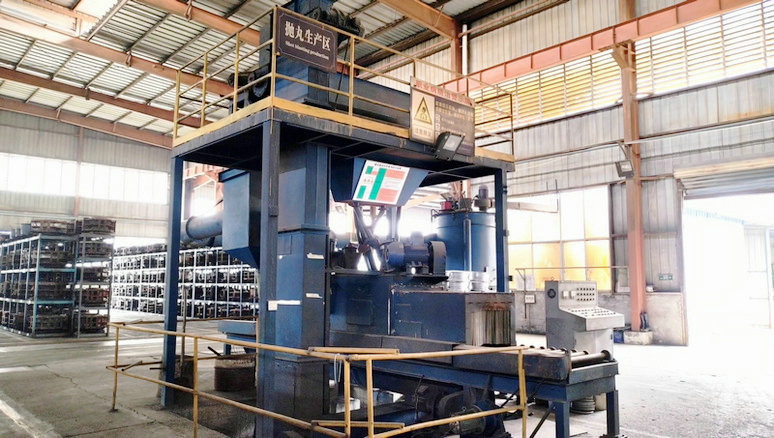
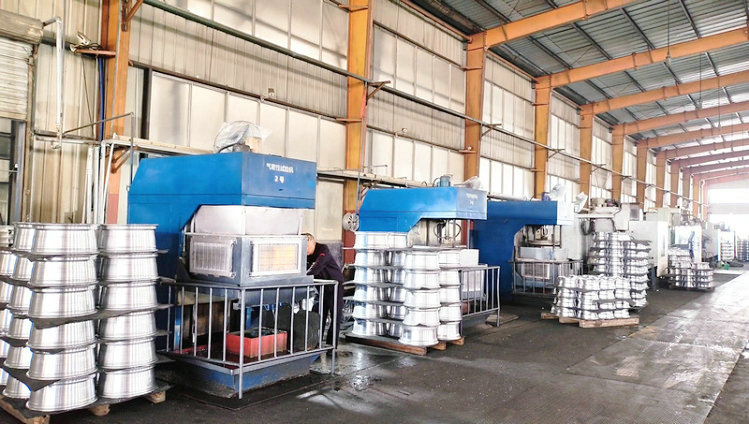
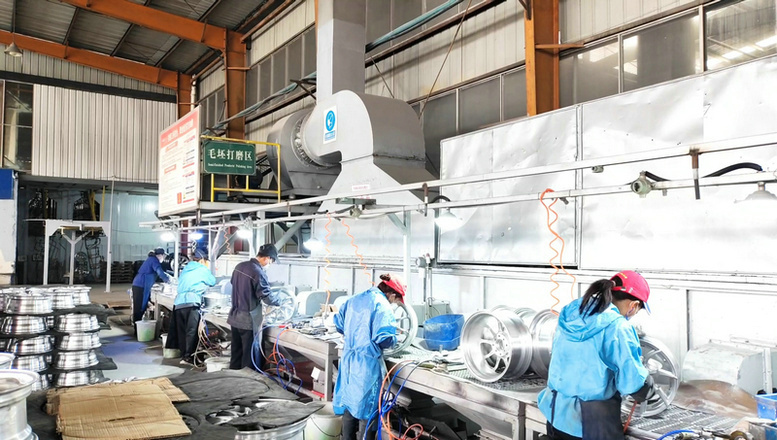
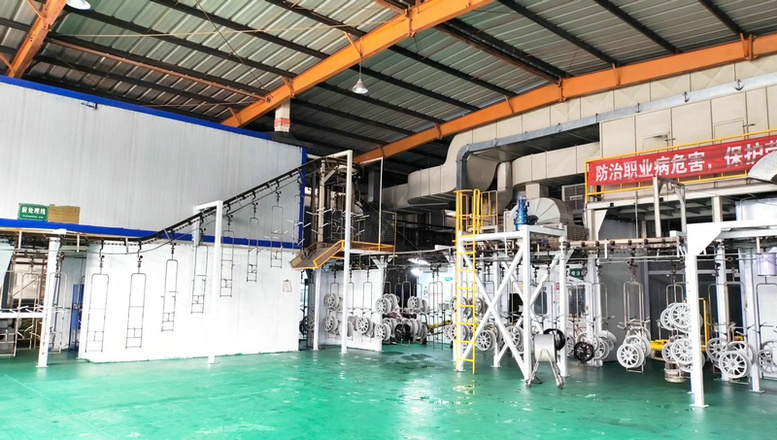
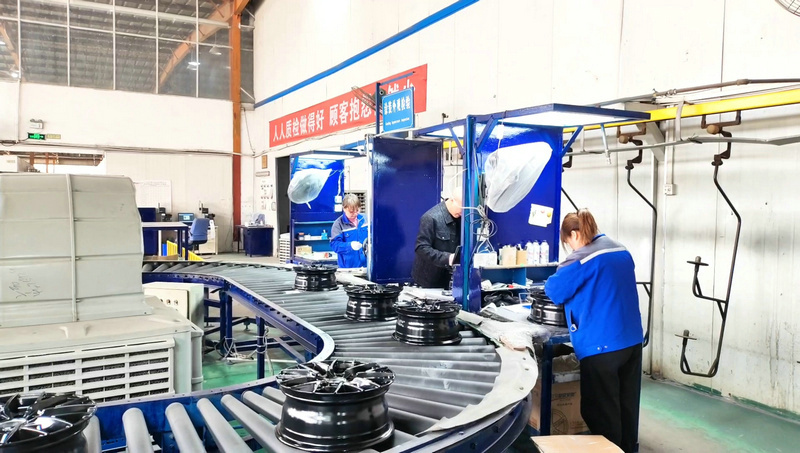
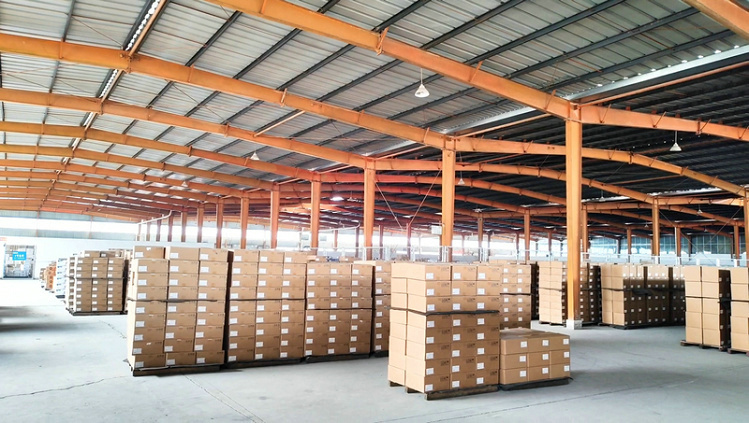
Visualizing our end-to-end industrial production, testing, and quality control workflow.
A reference guide comparing the mechanical characteristics of different wheel manufacturing materials.
| Wheel Base Material | Production Method | Tensile Strength (MPa) | Weight Index | Primary Industrial Applications |
|---|---|---|---|---|
| Magnesium Alloy (AZ80/ZK60) | Forged / High-Pressure Extruded | 290 - 340 | Extremely Light (60% of Al) | High-Performance Racing, Automotive Innovations, EVs |
| Aluminum Alloy (A356.2) | Flow Formed / Low-Pressure Cast | 220 - 260 | Optimized Light Weight | Passenger Sedans, Off-Road SUVs, Light Commercial |
| Alloy Steel (Q345B) | Stamping & Robotic Weld | 345 - 450 | Standard Heavy Weight | Heavy-Duty Trucking, Agriculture Rims, Rail Wagon |
| Forged Aluminum (6061-T6) | 10,000-Ton Forging Press | 310 - 380 | Lightweight / Ultra Strength | Long-haul Commercial Trucking, Luxury Vehicles |
Ensuring seamless market clearance and regulatory safety compliance across global jurisdictions.
Every wheel exported to the United States complies with the FMVSS 571.120 standard. High-clarity stamps on the inner rim bead provide traceability of the manufacturing origin, load capacities, and wheel specifications.
To qualify for the global tire and wheel market, our wheels undergo independent testing by Smithers Rapra. This includes dynamic radial fatigue testing, rotary cornering fatigue testing, and high-impact drop tests.
Our plant operates under the IATF 16949 global automotive quality management system. This process ensures defect prevention, variation reduction, and supply chain continuity throughout production.
Technical clarifications on manufacturing methodologies, materials selection, and distribution logistics.
Flow-forming utilizes high pressure and rotary spinning to stretch the aluminum rim, increasing its tensile strength. In high-temperature summer conditions, this process allows for thinner barrel construction with improved heat dissipation. This helps prevent heat transfer to the tires and braking systems, reducing the risk of tire pressure spikes.
For existing standard tooling patterns, our lead time ranges from 30 to 45 days. For customized OEM/ODM projects requiring mold design and CNC tooling optimization, the initial prototype cycle is 25 days, followed by 35 days for mass manufacturing and quality inspection.
Magnesium is approximately 33% lighter than aluminum, providing a significant reduction in unsprung mass and improving acceleration and braking response. However, raw magnesium costs more and requires specialized atmospheric-controlled casting. It is typically recommended for performance-oriented racing applications, whereas forged aluminum offers a balance of strength and value for commercial and luxury road use.
Our wheels feature multi-stage powder coatings, including an electro-deposition primer, color basecoat, and a high-solid clear coat layer. These finishes undergo standardized 1000-hour salt spray testing to verify corrosion resistance in marine transit and high-humidity environments.
Yes, we support flexible container loading configurations. Distributors can mix tubeless truck wheels, off-road alloy wheels, and agricultural machinery rims within a single 40HQ container to optimize transport costs and balance local inventory levels.
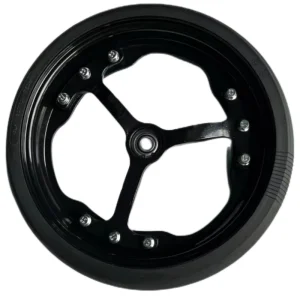
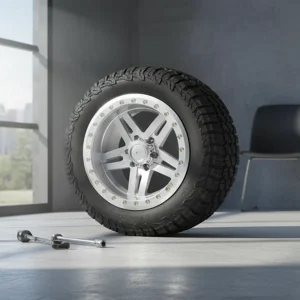
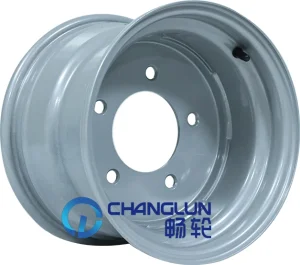
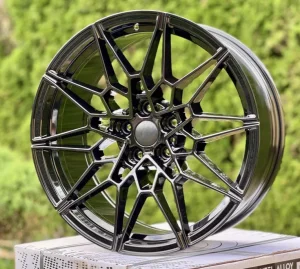
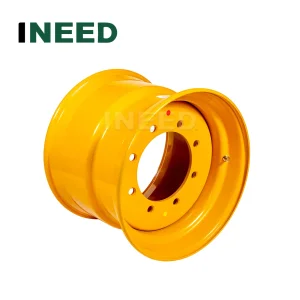
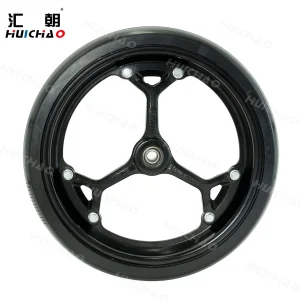
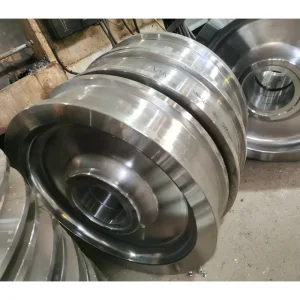
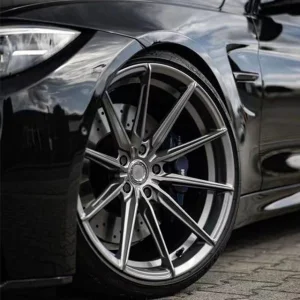
Exploring our range of specialty applications, from agricultural equipment to high-performance passenger vehicles.
 Jersey Auto