Why do racing wheels have center locks? The short answer is speed during a wheel change. A center-lock wheel attaches to the hub with one large central nut, rather than several smaller wheel bolts. In a race, that can help a trained crew remove and refit a wheel quickly. The design also creates a direct, carefully engineered connection between the wheel and hub.
There is more to the choice than a dramatic pit-lane scene. Center-lock systems require compatible hubs, purpose-built wheels, and the correct tightening procedure. A mechanic may use a calibrated torque tool and inspect the nut, threads, and mating surfaces before the car returns to the track. Small details matter. Incorrect installation can compromise the connection, so this is not a casual upgrade for every vehicle. Many road cars are better served by conventional lug-bolt or lug-nut systems.
This guide explores the engineering, practical benefits, and trade-offs behind center-lock wheels, including details buyers should check when comparing products from China. Look for clear specifications, material information, manufacturing quality controls, and support for the exact vehicle application. A polished product photo proves little. Fitment and documented testing matter more. Center locks can be impressive, but they are not automatically lighter, safer, or faster in every setting. That distinction is easy to miss. We will examine what the design does well, where it adds complexity, and what questions deserve a closer look before purchase.
What Is a Center-Lock Racing Wheel?
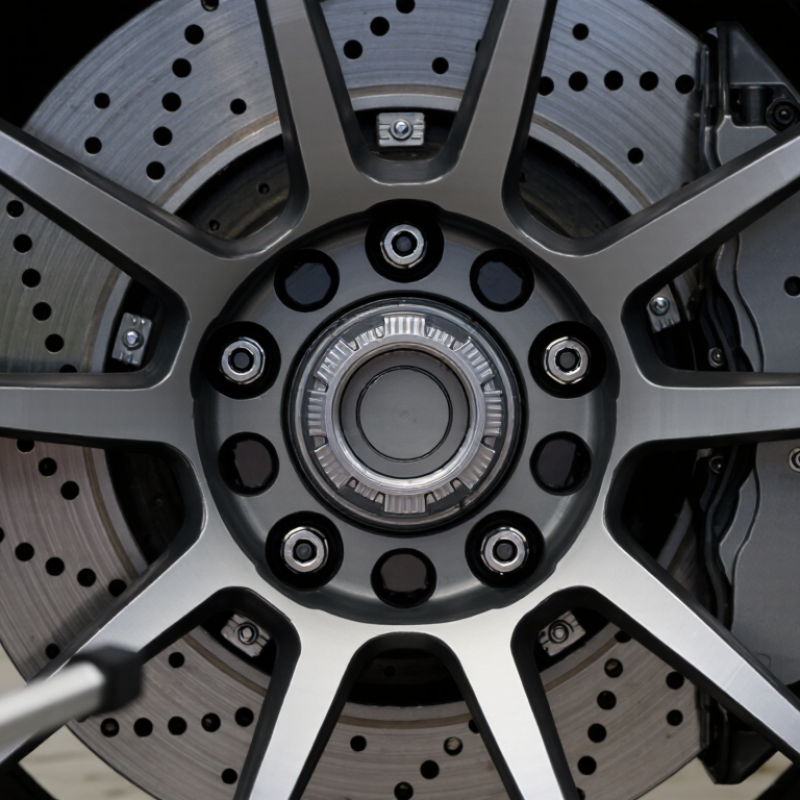
A center-lock racing wheel is secured to the hub by one large central nut, rather than several lug nuts around the wheel. The wheel’s center bore locates it on the hub, while the nut clamps the assembly in place. One nut. One hub. In a pit lane, this layout allows a trained crew to remove and refit a wheel with a single powered tool. You can picture the difference: one central fastening point, not five separate nuts to reach.
The setup is not automatically lighter, safer, or easier to maintain. Correct nut engagement, clamping force, and inspection still matter; a rushed fitting can create risk. SAE International’s J2530 recommended practice evaluates wheel performance through impact, radial-fatigue, and cornering-fatigue tests. Those are useful industry reference points, but J2530 does not, by itself, verify a particular center-lock nut or installation procedure. That distinction is easy to miss. For a buyer or technician, check the wheel-and-hub compatibility and follow the vehicle maker’s specified tightening process. The single nut looks simple; the engineering behind a dependable joint is less so.
How Does a Center-Lock Wheel Attach to a Hub?
A center-lock wheel attaches through one large threaded nut, rather than several smaller lug nuts. The wheel slides over a hub’s locating pilot and drive pins or splines. These features help center the wheel and transfer driving and braking forces. The nut then clamps the wheel tightly against the hub face. The clamp matters: a loose or poorly seated wheel can move under load. SAE J2530’s wheel qualification procedure includes radial-fatigue, cornering-fatigue, and impact tests. These three test types show why wheel strength and secure fitment need separate checks; the standard does not set one universal center-lock torque.
During installation, a trained crew checks that the wheel sits flat, engages its drive features, and spins freely before tightening. A calibrated tool applies the vehicle maker’s specified torque. Thread direction and locking arrangements vary, so guessing is risky. In practice, even a clean-looking interface can hide debris or wear. That detail is easy to miss.
Tips: Keep the hub face and wheel mating surface clean. Check drive pins, threads, and retention parts for damage. Use the specified torque and recheck procedure; do not copy a value from another car.
Why Do Racing Cars Use Center-Lock Wheels?
Racing cars use center-lock wheels mainly to speed up pit-stop changes. A crew member removes one central retaining nut instead of several lug nuts. The wheel can then come off quickly, even when hot brakes and tight working space make handling awkward. Every second counts. The design also gives the wheel a clean, unobstructed face and can reduce the number of separate fastening parts.
A center-lock system depends on a matching hub, wheel, and carefully controlled clamping force. It is not simply a regular wheel with fewer nuts. When installed correctly, the central fastener holds the wheel firmly against the hub under heavy cornering and braking loads. But speed is not the whole story. The specialized equipment and precise service procedure can make repairs more demanding, and a center lock is not automatically lighter or safer in every setup.
Tips: Check the wheel and hub for damage before fitting. Use the specified tool and tightening procedure; never guess by feel alone. A rushed fit can cause trouble later.
| Why Do Racing Wheels Have Center Locks? — A Practical Guide |
| Topic |
Center-Lock Wheels |
What It Means in Practice |
| How the wheel is attached |
A single large central nut clamps the wheel to a purpose-designed hub. The wheel and hub use matching locating and drive features. |
The system is different from a conventional wheel secured by several lug nuts or bolts around the hub. |
| Faster pit stops |
A crew member can remove or install the wheel using one central fastener rather than handling several separate fasteners. |
This can help shorten wheel changes in racing, though the actual time depends on the crew, equipment, and race procedure. |
| Purpose-built components |
Center-lock wheels require compatible hubs, fasteners, and wheel interfaces. |
They are not generally a direct replacement for ordinary multi-lug wheels; the vehicle must be designed or converted for the system. |
| Fastener security |
Some designs use features such as locking pins or safety wire, where specified by the design or competition rules. |
Correct installation and inspection matter because the central nut is a critical wheel-retention component. |
| Tightening requirements |
The required tightening method and torque depend on the vehicle, hub, wheel, and fastener design. |
There is no single universal center-lock torque. Use the vehicle or component maker’s specified procedure and tools. |
| Trade-offs |
The system can make wheel changes efficient but usually involves specialized parts and service procedures. |
It is most useful where rapid wheel changes justify the added equipment and maintenance requirements. |
| Where they are used |
Center-lock systems are used in some forms of motorsport and on some high-performance road cars. |
They are not fitted to every racing car; the choice depends on the vehicle’s design, rules, and intended use. |
| Key takeaway |
The main racing advantage is simplifying wheel removal and installation to one central fastener. |
Center locks are a specialized system, not automatically safer, lighter, or faster in every application. |
What Are the Advantages and Limitations of Center Locks?
Center-lock wheels use one large central nut instead of several lug nuts. In racing, this can speed wheel changes when trained crew members use the correct equipment. A single fastening point also gives engineers more freedom around the hub and brake package. Fewer visible fasteners create a clean wheel face, but they do not automatically reduce total weight. Nice in theory.
The system requires a compatible hub, wheel, locking nut, and specialized torque equipment. A conventional wheel cannot simply be fitted to a center-lock hub. During a pit stop, a mechanic aligns the wheel, seats it, then tightens the nut according to the specified procedure. If contact surfaces are dirty or the nut is improperly secured, the wheel may not clamp as intended. After repeated hot laps, crews inspect threads and mating surfaces for wear or damage.
Drivers who rarely remove wheels may gain little, while replacement parts and service can be less convenient. That speed comes with a trade-off: correct installation depends on trained hands and suitable tools. A missed inspection can turn a quick-change advantage into a reliability concern. The setup matters.
Why Racing Wheels Use Center Locks
A center-lock wheel uses one central retaining nut, while a typical five-lug wheel uses five wheel nuts. Fewer fastening points can help speed wheel changes during a pit stop, but center-lock systems require compatible hubs and specialized tools.
Fastener count per wheel; the comparison does not represent measured wheel-change times. Five-lug configurations are typical examples, not a universal standard.
How Are Center-Lock Wheels Used in China?
In China, center-lock wheels are mainly used on racing cars, track-day vehicles, and some specialist performance builds. One large central nut secures each wheel, replacing the several smaller fasteners found on conventional setups. A dedicated socket and calibrated torque wrench are essential; tightening by feel is not a reliable substitute. During a pit stop, trained crews can remove and refit a wheel quickly. On a road car, the arrangement may offer little practical benefit.
The scale of China’s car market gives useful context, but not a count of center-lock users. The China Association of Automobile Manufacturers reported 31.436 million vehicle sales in 2024; its figures do not specify wheel-fastener types. So claims about widespread adoption need caution. In workshop practice, technicians should follow the wheel maker’s torque specification, check thread condition, and inspect the nut and seating surfaces after use. Direction matters, too: some systems use different thread directions on opposite sides. Easy to overlook. Track heat, debris, or repeated installation can affect fit, so inspection intervals should reflect actual use. A center lock looks simple. Its servicing is not.
Conclusion
Why do racing wheels have center locks? A center-lock wheel is secured to the hub with one large central fastener rather than several smaller lug nuts. The wheel fits onto a matching hub, and the center fastener is tightened to hold it firmly in place. This arrangement can make wheel changes faster, an important benefit in racing environments where every second matters. It can also reduce the number of fasteners that need to be handled during a tire change.
Center-lock systems offer a compact, streamlined connection, but they require compatible hubs, specialized tools, and careful installation. They may be less convenient and more costly to maintain than conventional multi-lug wheels, especially for everyday vehicles. In China, their use is mainly associated with performance and motorsport applications, where the vehicle and maintenance setup are designed for this type of wheel. Understanding how the system works helps drivers weigh its speed and practicality against its added requirements.

 Jersey Auto