2026 Best Guide Why Is My Wheel Rim Getting Hot?

Time:2026-10-02 Author:Mason
0%

A hot wheel rim can be more than a normal result of braking. If you have searched “Why is my wheel rim getting hot while driving,” you may already notice warning signs: a sharp metallic smell, one wheel radiating heat, or a car pulling slightly sideways. These details matter because heat often develops at one corner rather than across the entire axle.

In everyday inspections, a dragging brake caliper is a common suspect. A seized slide pin, sticking piston, or partially engaged parking brake can keep the pad touching the rotor. The rim then becomes hot after a short drive, sometimes hot enough to make water sizzle. A low tire, damaged bearing, or tire rubbing the suspension can also create abnormal heat, although these problems may feel different. Do not touch the metal immediately after driving. It can burn your skin.

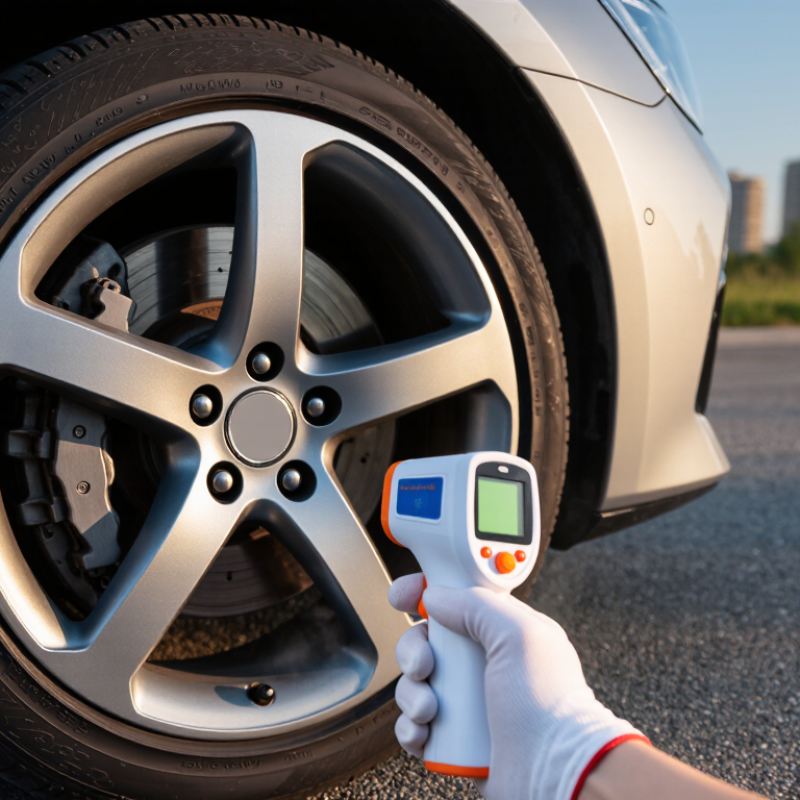
This guide explains practical ways to compare wheel temperatures safely and identify patterns before seeking professional help. An infrared thermometer can reveal a useful difference between wheels, but it does not replace a brake inspection. Road slope, traffic, cargo, and repeated braking can change results. I have found that drivers sometimes blame the rim itself, when the rim is only carrying heat from another component. That assumption deserves reconsideration. If there is smoke, burning odor, grinding, reduced braking, or severe pulling, stop driving and arrange a qualified inspection. A brief check can prevent a much larger repair.
2026 Best Guide Why Is My Wheel Rim Getting Hot?

How Brake Friction and Tire Pressure Make a Wheel Rim Overheat

2026 Best Guide: Why Is My Wheel Rim Getting Hot?

A hot wheel rim usually reflects heat moving from the brake rotor through the hub. During repeated braking, SAE International brake-testing studies have recorded rotor temperatures above 300°C. Some heat transfer is normal. A rim that smells burnt, feels dramatically hotter than the opposite side, or radiates heat after a short drive is not normal. A sticking caliper, seized slider pin, or dragging parking brake can keep the pad touching the rotor. The wheel may feel like a small oven.

Tire pressure adds another risk. The U.S. Department of Energy reports that properly inflated tires can improve fuel economy by about 3.3%. Underinflation also increases sidewall flex, rolling resistance, and tire temperature. NHTSA identifies underinflation as a leading cause of tire failure. Check pressure when the tires are cold, using the vehicle placard rather than the tire’s maximum number. A pressure difference of only a few psi can make one tire work harder. I have seen drivers blame the brake, then discover a slow valve leak. That mistake is easy to make.

Compare wheel temperatures carefully after driving, without touching them directly. An infrared thermometer gives a better reading. If one rim is much hotter, stop driving until the brake and tire are inspected. The diagnosis can be imperfect at first; wind, road slope, cargo, and recent braking can distort the comparison. Never spray cold water onto a hot brake assembly. Thermal shock may damage components.

Normal Heat Ranges: Tire Pressure Rises 1 PSI per 10°F (TIA)

Why Is My Wheel Rim Getting Hot? Normal Heat Ranges Explained

A warm wheel rim is often normal after driving. Braking transfers heat through the hub, rotor, and wheel, especially in traffic or on steep roads. Tire flexing also creates heat. According to the Tire Industry Association, tire pressure rises about 1 PSI for every 10°F increase in temperature. This is a practical estimate, not an exact promise. Tire construction, speed, load, sunlight, and starting pressure can change the result.

Check pressure when the tires are cold, ideally after the vehicle sits for several hours. Do not release air from a hot tire just because the reading is higher. That can create underinflation later, when the tire cools. A hot rim on one corner deserves more attention. Uneven heat may indicate a sticking brake, damaged bearing, poor alignment, or contact with another component. Watch for a burning smell, smoke, vibration, pulling, or rapid pressure loss.

Tips: Compare all four wheels carefully, using the back of your hand without touching sharp metal. Use a reliable gauge and record cold readings. If one rim is dramatically hotter, stop driving when safe and arrange a professional inspection. I sometimes expect temperature changes to follow the 1-PSI rule perfectly, but real roads are less tidy. The estimate helps; careful observation matters more.

2026 Best Guide: Why Is My Wheel Rim Getting Hot? — Normal Heat Ranges and Tire Pressure Rise

Tire pressure typically rises by approximately 1 psi for every 10°F increase in tire temperature (about 0.07 bar per 5.6°C). This is a general service rule, not a substitute for the vehicle manufacturer’s recommended cold inflation pressure.
Observation or Measurement Typical Indication Likely Explanation Recommended Response
Rim is warm after normal driving
Both sides of the same axle feel similar
Usually expected, especially after stop-and-go traffic, hills, or warm weather Heat transfers from the tire, brake assembly, road surface, and wheel hub Allow the wheels to cool naturally. Do not touch hot metal directly.
Outer rim surface below about 140°F (60°C) Common warm-to-hot range after ordinary road use Normal operating heat may be present without a fault Compare the left and right wheels under similar conditions and monitor for changes.
About 140–180°F (60–82°C)
Measured on the rim after braking
Elevated temperature; may occur during heavy braking, towing, steep descents, or track use Increased brake energy or repeated friction is heating the wheel Stop safely, let the brakes cool, and check whether one wheel is substantially hotter than its counterpart.
Above about 180°F (82°C) on the rim Unusually hot for routine driving, particularly if only one wheel is affected Possible dragging brake, seized caliper or wheel-cylinder component, restricted brake hose, bearing issue, or severe underinflation Stop driving if safe. Arrange a professional inspection before continuing.
Rim is too hot to approach safely, with smoke or a burning smell Potential overheating or active mechanical fault Brake friction may be continuous; tire damage or a wheel-end failure is also possible Pull over safely, keep clear of the wheel, do not apply water to hot components, and request roadside assistance.
One wheel is much hotter than the matching wheel Temperature imbalance is more significant than the absolute reading Uneven braking, brake drag, bearing friction, tire pressure difference, or alignment-related resistance Check cold tire pressures and have the hotter wheel inspected.
Cold tire pressure is below the placard value Underinflation can increase sidewall flex and heat buildup A soft tire generates more heat while rolling and may affect handling and fuel economy Inflate to the vehicle placard or owner’s manual specification when the tires are cold. Do not use the tire sidewall maximum as the normal target.
Cold pressure rises during driving Approximately +1 psi per +10°F of tire temperature Air pressure increases as the air inside the tire becomes warmer Do not release air from a hot tire solely because the pressure is higher. Recheck and adjust when cold.

Tire Temperature and Approximate Pressure Change

Temperature Increase From Cold Approximate Pressure Increase Example if Cold Pressure Is 35 psi Practical Note
10°F (5.6°C) About +1 psi About 36 psi Normal short-term increase from warming.
20°F (11.1°C) About +2 psi About 37 psi Pressure may vary with speed, load, weather, and road surface.
30°F (16.7°C) About +3 psi About 38 psi Use the cold reading for pressure correction, not the hot reading.
40°F (22.2°C) About +4 psi About 39 psi This is an estimate; actual pressure depends on tire construction and operating conditions.
Safety note: Temperature readings depend on where and when they are taken. An infrared thermometer aimed at the same location on each wheel is more useful for comparison than touch. Always follow the vehicle manufacturer’s cold tire-pressure specification, and seek professional service when heat is concentrated at one wheel or accompanied by vibration, pulling, odor, smoke, or unusual noise.

Step-by-Step Checks for Sticking Calipers, Bearings, and Low Tire Pressure

2026 Best Guide: Why Is My Wheel Rim Getting Hot?

A hot wheel rim usually signals friction, underinflation, or bearing trouble. Do not touch it immediately; metal can burn skin. Park safely, switch off the vehicle, and wait before checking. Compare the warm wheel with the others after a short drive. One dramatically hotter rim deserves attention.

A sticking caliper often leaves a sharp brake smell, dark dust, or a vehicle that pulls sideways. Look through the wheel for uneven pad wear. If the wheel remains hot without heavy braking, arrange a professional inspection. A brief lift test may reveal a dragging wheel, but never work beneath an unsupported vehicle. The check is not perfect. A caliper can release temporarily and hide the fault.

A worn bearing may create humming, roughness, or looseness when the wheel is safely lifted. Spin it gently and listen for grinding. Do not ignore faint noise. It can worsen quickly. Check tire pressure when the tires are cold, using the vehicle’s door-jamb specification rather than the tire’s maximum rating. Low pressure increases sidewall flex, heat, and fuel use. Inspect for bulges, cuts, or a bent rim after pothole impacts. Stop driving if you notice smoke, severe pulling, grinding, or a burning odor. Temperature readings can help, but they cannot replace a hands-on brake and bearing inspection.

Using an Infrared Thermometer to Compare Wheel Temperatures Safely

2026 Best Guide: Why Is My Wheel Rim Getting Hot?

An infrared thermometer can reveal uneven heat before a warning light appears. U.S. National Highway Traffic Safety Administration reports that tire-related problems cause about 11,000 crashes annually. Heat is not proof of failure, but it is useful evidence.

Drive for 15 to 20 minutes without hard braking. Park safely, keep clear of traffic, and measure each wheel within two minutes. Aim at the same rim area, such as the outer barrel near the spokes. Do not measure the brake rotor. It may be dangerously hot. Shiny metal can reflect infrared energy, so readings may be unreliable. ASTM E1933 recommends controlling surface emissivity during infrared measurements. A small piece of matte tape can improve consistency, but it must not touch moving parts.

Record the front-left, front-right, rear-left, and rear-right temperatures. Compare matching wheels, not only the highest number. A repeated difference above roughly 10–15°C deserves inspection, especially after similar driving. A dragging brake, underinflated tire, seized bearing, or misalignment may create extra heat. Tire pressure should also be checked when the tires are cold, following the vehicle maker’s specification. That part is easy to overlook. One measurement can mislead you, because sunlight, road slope, wind, and recent braking change the result. I would repeat the test on another day before making a firm diagnosis. Never touch the rim to confirm heat. Let a qualified technician inspect persistent differences.

When to Stop Driving: Red Flags and NHTSA-Informed Safety Actions

A hot wheel rim often means heat is transferring from the brake, not the rim itself. A sticking caliper, seized slide pin, dragging parking brake, or worn bearing can create dangerous friction. One wheel feeling much hotter than the others is a serious clue. Burning odor, smoke, grinding, vibration, or a vehicle pulling sideways raises the risk. It is easy to dismiss mild heat after traffic, but that judgment can be wrong.

Stop driving when the rim is painfully hot, smoking, or producing a strong chemical smell. Pull off the roadway when safe, switch on hazard lights, and keep passengers away from traffic. Do not touch the rim, pour water on it, or loosen wheel nuts. Sudden cooling may damage parts, while touching can cause burns. Let the vehicle cool without standing beside moving lanes. Contact qualified roadside assistance or a repair professional. If flames appear, move far away and call emergency services. Driving farther “just to get home” may turn a small repair into brake failure.

Tips: Compare wheel temperatures only from a safe distance. Never rely on a hand test. Look for fresh grease, uneven dust, or a deflated tire, but avoid crawling under the vehicle roadside. A technician should inspect the brake assembly, bearing, tire, and wheel hardware. I have seen drivers focus on the shiny rim and miss the overheated brake behind it. That mistake deserves a second thought.

FAQS

What does a hot wheel rim usually indicate?

It often signals excess friction, low tire pressure, bearing trouble, or misalignment. Heat is evidence, not proof.

How should I check a hot rim safely?

Park away from traffic, switch off the vehicle, and wait before touching anything. Metal can burn skin. A brief drive can help compare wheel temperatures, but avoid heavy braking.

What signs suggest a sticking brake caliper?

Watch for a sharp brake smell, dark dust, uneven pad wear, or sideways pulling. The wheel may stay hot after gentle driving. Arrange a professional inspection.

Can a quick lift test confirm brake trouble?

A safely lifted wheel may feel difficult to spin or may drag. Never work under an unsupported vehicle. The check can mislead you. A caliper may release temporarily.

What symptoms point to a worn wheel bearing?

Listen for humming, roughness, grinding, or looseness during a safe inspection. Do not ignore faint noise. It may worsen quickly.

How can low tire pressure create extra heat?

Underinflation increases sidewall flex, heat, and fuel use. Check pressure when tires are cold. Use the vehicle’s door-jamb specification, not the tire’s maximum rating.

How do I compare wheel temperatures with an infrared thermometer?

Drive for 15 to 20 minutes without hard braking. Measure all four wheels within two minutes. Aim at the same rim area near the spokes. Do not measure the brake rotor. Record every reading.

What temperature difference deserves further inspection?

A repeated difference above roughly 10–15°C deserves attention after similar driving. Compare matching wheels, not only the hottest wheel. Sunlight, wind, slopes, and recent braking can distort results. Repeat the test another day.

Conclusion

Why is my wheel rim getting hot while driving? A warm rim can be normal because braking creates friction, but excessive or uneven heat may indicate a sticking brake caliper, worn brake components, a damaged bearing, or underinflated tire. Tire pressure also rises as tires warm, typically about 1 PSI for every 10°F increase, so pressure should be checked when the tires are cold and compared with the vehicle’s recommended setting.

To investigate safely, stop in a secure location and compare the temperature of each wheel without touching the metal directly. An infrared thermometer can reveal whether one wheel is significantly hotter than the others. Look for burning odors, smoke, pulling to one side, unusual noises, vibration, reduced braking performance, or a tire that appears damaged or severely underinflated. If any of these warning signs appear, stop driving, allow the vehicle to cool, and arrange a professional inspection or roadside assistance. Never continue driving when overheating could affect braking, tire integrity, or wheel control.

Mason

Mason

Mason is a seasoned marketing professional with a deep expertise in the company's offerings and a passion for driving brand awareness. With a strong background in digital marketing strategies, he has an innate ability to connect with diverse audiences and effectively communicate product benefits.......