When contemplating custom wheels, one question often arises: "Why are three piece rims so expensive?" This complexity in pricing stems from several factors. Three piece rims consist of separate components, including the barrel, face, and inner rim. Each part must be crafted with precision, often leading to higher manufacturing costs.
Additionally, the materials used are typically of superior quality. Manufacturers often opt for lightweight alloys that enhance performance. This choice positively affects handling but also impacts the final price tag. Customization options add another layer of expense. Buyers seek unique finishes and designs, which require specialized labor and resources.
Moreover, market demand plays a significant role. Enthusiasts value exclusivity, driving prices higher. The investment in these rims should be viewed holistically. Reflecting on these details reveals the intricate balance of craftsmanship and consumer expectations, ultimately answering the question at hand. Each element contributes to the perceived value, complicating affordability for many buyers.
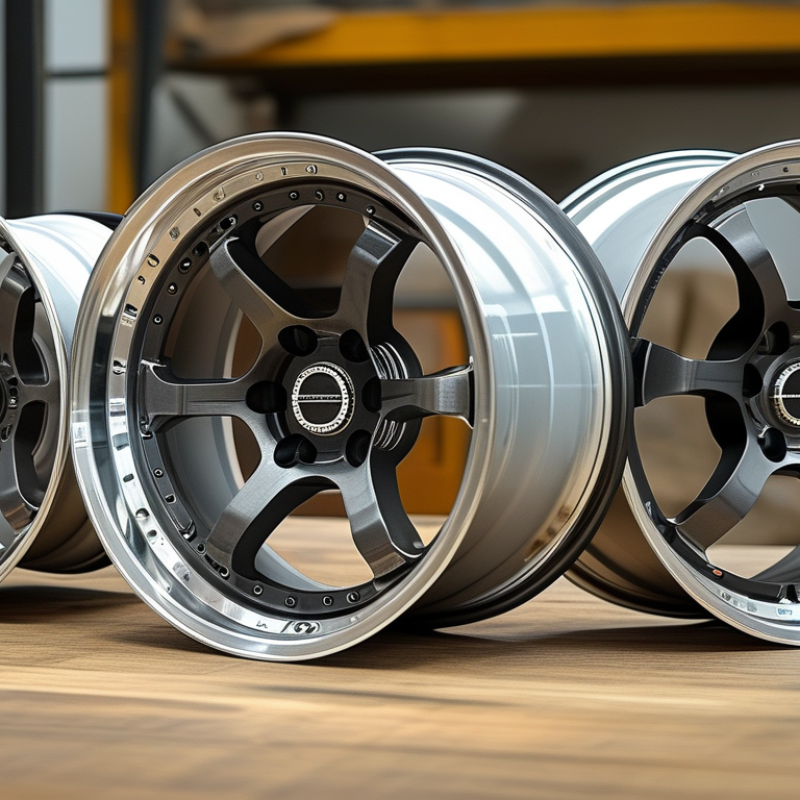
Understanding the Structure of Three Piece Rims and Their Production Costs
Three-piece rims are crafted through a unique and intricate process. They consist of three main components:
the outer rim,
the inner rim, and
the center section. Each part serves a specific function. The outer rim usually provides aesthetics and strength. The inner rim supports tire mounting, while the center section ensures stability and precise fit.
Production costs for these rims are high. According to industry data, the manufacturing process involves advanced machinery and skilled labor. For instance, the welding and finishing processes require meticulous attention and quality control. Reports indicate that the average production cost for a single three-piece rim can exceed $800. This cost reflects the need for high-quality materials, such as aluminum or forged alloys. These materials enhance performance and durability.
Additionally, labor costs contribute significantly to the overall expense. Producing three-piece rims often involves several hours of manual assembly. There is a premium for skilled workers who understand complex designs. Many manufacturers face challenges in balancing quality and cost. As a result, buyers encounter high prices. It’s essential to consider these factors when evaluating the market.
Materials Used in Three Piece Rims and Their Impact on Pricing
Three-piece rims are known for their durability and aesthetic appeal. However, their high price stems mainly from the materials used in their construction. Commonly, manufacturers choose alloys that combine strength with lightweight properties. Materials like aluminum and magnesium are popular but costly. These metals enhance performance and longevity, but they increase the production costs.
Choosing the right material can be a balancing act. While aluminum is lighter, magnesium offers superior strength. This decision impacts not only price but also functionality. Buyers often overlook how weight affects performance. Heavier rims can reduce speed and response time, while lighter options enhance driving dynamics.
Tips: When investing in three-piece rims, consider how often you drive and the types of roads you frequent. If you drive regularly on rough terrain, prioritize durability over weight. Additionally, be aware that the aesthetic appeal comes with maintenance needs. Regular cleaning and care are essential to preserve both investment and appearance.
Labor and Craftsmanship in the Manufacturing of Three Piece Rims
Three-piece rims are renowned for their unique design and performance. However, their manufacturing process is complex, which significantly drives up costs. The labor and craftsmanship involved are crucial elements that contribute to the high price tag.
Each set of three-piece rims requires meticulous attention to detail. Skilled artisans often spend hours assembling, welding, and finishing each component. The process demands precision to ensure they meet safety and performance standards. This level of craftsmanship is not easy to find, making these rims a rarity in the market. The expertise involved adds to the overall expense.
**Tips:** When considering three-piece rims, think about the value of craftsmanship. Research artisans and manufacturers with a stellar reputation. Lesser-known makers might offer lower prices but could compromise on quality. Also, don’t hesitate to ask about the production process. Understanding it can help you appreciate the worth of these rims.
Buyers should be aware that imperfections can occur due to the manual labor involved. Small defects may happen, but these do not negate the skill that goes into creating these products. Each rim tells a story of its creation. No two pieces are identical, which can be both a charm and a point of concern.
Why Are Three Piece Rims So Expensive for Buyers? - Labor and Craftsmanship in the Manufacturing of Three Piece Rims
| Aspect |
Description |
Average Cost (USD) |
| Material Quality |
High-grade aluminum and manufacturing processes lead to durability and performance. |
$200 - $600 |
| Labor Intensity |
Extensive manual labor is required for assembly and quality control. |
$150 - $300 |
| Customization Options |
Custom designs and finishes require additional time and expertise. |
$100 - $500 |
| R&D Investment |
Continuous innovation and testing to improve performance and safety add to costs. |
$50 - $200 |
| Market Demand |
High demand for performance and aesthetic enhancements drives prices up. |
Variable |
Market Demand and Supply Factors Influencing Rim Prices
The price of three-piece rims can be attributed to multiple market demand and supply factors. High-quality materials often drive up production costs. Manufacturers aim for durability and performance, which requires specific metals and alloys. This increases the final price for buyers. The craftsmanship involved also plays a significant role. Each rim must be carefully assembled, requiring skilled labor.
Consumer preferences impact pricing as well. Enthusiasts often desire unique designs, which can lead to a higher willingness to pay. This demand fuels exclusive production runs, further driving up prices. Additionally, supply chain issues can raise costs. Fluctuations in raw material availability can hinder production rates. Increased costs are then passed onto consumers.
While these factors contribute to high prices, there are areas worth reconsidering. Are buyers always getting value for their investment? Understanding the underlying cost structure could help inform smarter purchasing decisions. The market for three-piece rims is complex, and it requires in-depth knowledge to navigate effectively.
Comparing Three Piece Rims to Other Rim Types: Is It Worth the Cost?
Three-piece rims are often associated with luxury and high performance in the automotive industry. Their price tags tend to be substantial, which raises the question: are they worth it compared to other rim types? The craftsmanship involved in creating three-piece rims plays a significant role in their cost. Each rim consists of three separate parts: the inner barrel, the outer lip, and the center disc. This design allows for customization in width and offset, catering to specific vehicle needs and aesthetic preferences.
According to a 2022 report from the Specialty Equipment Market Association (SEMA), aftermarket wheels account for over $1.2 billion in sales annually. Consumers who invest in three-piece rims often value quality and performance. These rims are lighter than one-piece alternatives, improving handling and fuel efficiency. However, the trade-off is the higher initial investment and potential maintenance issues. For instance, the bolts that hold the sections together may require regular checks to ensure safety and performance.
Some argue that one-piece rims, while less customizable, offer easier maintenance and durability. A study by the Wheel & Tire Association highlighted that two-piece rims also provide a balance of performance and cost. While three-piece rims shine in the customization department, they also present challenges. Buyers should weigh their preferences for aesthetics and performance against the practicality and upkeep of these premium products.
FAQS
: They are usually made from lightweight alloys like aluminum and magnesium. These materials enhance performance but are costly.
Production costs are high due to materials, skilled labor, and complex manufacturing processes. Prices can exceed $800 per rim.
Lighter materials improve speed and handling. Heavier rims may reduce performance but can be more durable on rough roads.
They offer high quality and customization. However, buyers must consider maintenance and higher initial costs.
Regular cleaning is essential. Additionally, bolts connecting rim sections need frequent checks for safety and performance.
Three-piece rims allow customization, while one-piece rims offer easier maintenance and durability. Each has its trade-offs.
Conclusion
The article "Why Are Three Piece Rims So Expensive for Buyers?" delves into various factors that contribute to the high cost of three-piece rims. It begins by exploring their structural design and the complexities involved in their production, which inherently adds to manufacturing costs. The choice of materials also plays a significant role in pricing, as high-quality components are essential for durability and performance.
Additionally, the article highlights the craftsmanship and labor involved in creating these custom rims, often requiring skilled artisans and extensive labor hours. Market demand and supply dynamics further influence pricing, as the desirability for three-piece rims continues to grow among automotive enthusiasts. In comparing three-piece rims to other rim types, the article raises the question of whether the investment is justified, ultimately giving readers insight into the multifaceted reasons behind the question, "Why are three piece rims so expensive?

 Jersey Auto