When considering the question, "Why do truck wheels use multi-piece rims," it's crucial to explore the advantages that these innovative designs bring to performance. Multi-piece rims are not just a trend; they offer practical benefits for heavy-duty vehicles. They improve handling, enable better load distribution, and allow for easier repair.
Understanding multi-piece rims reveals how they outshine traditional designs. These rims consist of several components that can be replaced individually, reducing downtime. This feature is invaluable for trucking businesses that rely on efficiency to maintain their schedules. Furthermore, multi-piece constructions often weigh less, impacting overall vehicle performance positively.
Yet, it's important to recognize that not all truck owners opt for multi-piece rims. Some may still rely on standard, single-piece designs due to cost concerns. The decision often reflects a balance between budget and performance needs. As the trucking industry evolves, exploring why multi-piece rims are preferred sheds light on broader trends in vehicle engineering and efficiency.
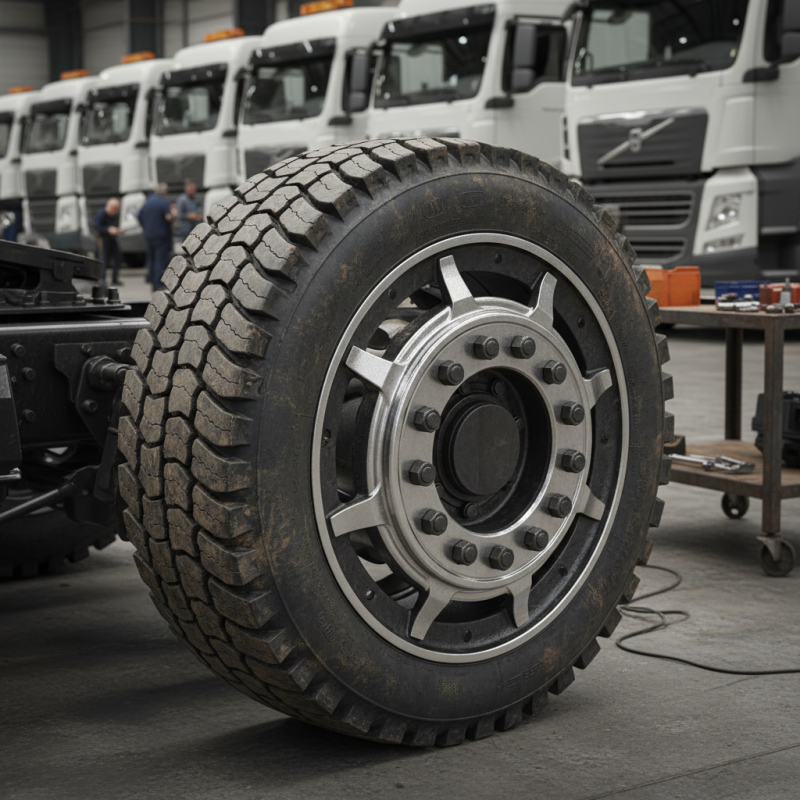
The Structure and Design of Multi-Piece Rims in Truck Wheels
Multi-piece rims have gained popularity in truck wheels due to their unique structure and design. These rims consist of separate components, typically the outer shell and inner liner. This design allows for flexibility and adaptability, ideal for various driving conditions. Additionally, the materials can be optimized for strength and weight, enhancing overall performance.
Using multi-piece rims can also lead to improved repairs. When a single section is damaged, it can often be replaced without discarding the entire rim. This makes maintenance cost-effective and sustainable. Truck owners appreciate this practicality. However, one should note that reassembling these rims requires skilled labor. Improper assembly can lead to safety issues.
Tips: Always check the torque specifications when installing multi-piece rims. It is crucial to ensure all components are secure. Regular inspections can help in identifying any issues early on. Remember, quality materials are essential for performance and safety. While multi-piece rims offer benefits, careful consideration is needed. They are not a one-size-fits-all solution.
Comparing Single-Piece vs Multi-Piece Rims for Performance Efficiency
Multi-piece rims have gained popularity in the trucking industry due to their superior performance efficiency. They consist of several segments that allow for easier maintenance and repair. When a tire experiences a puncture, for example, it is often simpler to replace just one section of the rim rather than the entire unit. This can save both time and money for fleet operators.
In contrast, single-piece rims are typically heavier and less flexible. They are more challenging to maintain since any damage often requires complete replacement. Additionally, single-piece rims do not offer the same level of customization. Truckers may find that multi-piece rims provide better adaptability for different load requirements and driving conditions.
However, there are drawbacks to consider. Multi-piece rims can be more complex to assemble and may require specialized equipment for maintenance. Some users report difficulties with proper alignment during assembly, which can lead to performance issues. Understanding these nuances is crucial for truck operators aiming to optimize their performance on the road. Evaluation of both options is essential to make an informed choice that aligns with operational needs.
Advantages of Multi-Piece Rims in Load Distribution and Weight Management
Multi-piece rims are gaining popularity in the trucking industry due to their superior load distribution and weight management. These rims consist of multiple components, allowing for customized configurations. Truck operators can adjust the rim based on specific load requirements. This flexibility contributes to the overall stability of the vehicle.
Weight management is another significant advantage of multi-piece rims. By using lighter materials in specific sections, these rims can reduce overall weight. This reduction can improve fuel efficiency and enhance hauling capacity. Additionally, lighter rims can lead to better handling, especially when navigating tight turns or uneven terrains.
However, it's essential to acknowledge some challenges. Multi-piece rims require regular maintenance and careful assembly to ensure safety. Improper installation can lead to serious issues. Truck owners must invest time and resources into maintaining these rims. The initial cost may also be higher than conventional single-piece rims. These aspects must be carefully considered when opting for multi-piece designs.
How Multi-Piece Rims Enhance Repairability and Cost Effectiveness
Multi-piece rims are invaluable in the trucking industry. They enhance repairability while offering cost-effective solutions. A study by the Specialty Equipment Market Association (SEMA) found that nearly 70% of truck fleets prefer multi-piece rims for their ease of maintenance.
When a tire is damaged, replacing a single unit can be costly. Multi-piece rims allow for tire changes without the need to purchase an entirely new rim. Operators can repair or replace damaged components, saving significant money over time. According to the Tire Industry Association, repairable damages can reduce costs by up to 50% for fleets using multi-piece rims.
Despite these benefits, not all drivers grasp their use. Many remain attached to traditional, single-piece rims. Some may find the multi-piece system difficult to handle. Training is essential for effective use. Consequently, there’s a learning curve. It's crucial to weigh their potential savings against the initial adjustments required. Multi-piece rims can revolutionize fleet maintenance, yet understanding their complexity is key to harnessing their full potential.
Performance Comparison of Multi-Piece Rims vs. Single-Piece Rims
This chart compares the performance attributes of multi-piece rims versus single-piece rims in terms of weight reduction, cost effectiveness, repairability, durability, and heat dissipation. Multi-piece rims generally outperform single-piece rims across these metrics, indicating their advantages for improved overall performance in trucking applications.
Impact of Multi-Piece Rims on Handling and Stability in Heavy-Duty Trucks
Multi-piece rims are crucial for heavy-duty trucks. They enhance handling and stability. This design effectively distributes weight across the wheel. By doing so, it improves balance and reduces wear on tires. Drivers often notice better control during turns and on uneven terrain.
The flexibility of multi-piece rims allows for easier maintenance. If one section fails, only that part needs replacement. This can save time and money for truck operators. However, some may argue that multi-piece designs can add complexity. Not all mechanics are experienced in servicing them. This reliance on professional help can raise costs if repairs are needed.
Often, the durability of multi-piece rims leads to higher performance. They can stand up to the heavy loads commonly seen in trucking. Yet, there are debates about whether they achieve this at the cost of weight. Overall, multi-piece rims have distinct advantages. But it's essential to weigh these against potential drawbacks.
Conclusion
Multi-piece rims have gained popularity in truck wheels due to their numerous performance benefits. The structure and design of these rims allow for enhanced load distribution and weight management, which is crucial for heavy-duty applications. Compared to single-piece rims, multi-piece rims exhibit superior performance efficiency, as they can be tailored to different loading conditions and terrain types.
Furthermore, one key aspect of why truck wheels use multi-piece rims is their repairability and cost-effectiveness. Damaged sections of the rim can be replaced without the need for a complete overhaul, thus reducing maintenance costs. Additionally, multi-piece rims positively impact handling and stability, providing better control under heavy loads. Overall, the advantages of multi-piece rims make them an essential choice for maximizing performance in the trucking industry.

 Jersey Auto