A leaking tubeless wheel rim can be a frustrating issue for any cyclist. Understanding how to fix a leaking tubeless wheel rim is essential to maintaining optimal performance. This guide provides practical tips to address common leaks effectively.
Many cyclists experience slow leaks due to tire sealant drying out over time. Small punctures can often be the culprit. Accessing the damaged area requires a careful inspection of the rim and tire. A proper seal is critical for preventing air loss. Attention to detail is key here.
You may notice that some leaks are not immediately visible. This can lead to a tiresome cycle of checking tire pressure and experiencing unexpected flats. In this outline, we emphasize the importance of proactive maintenance and correct repair techniques. Mastering these skills can enhance your riding experience and ensure safer travels.
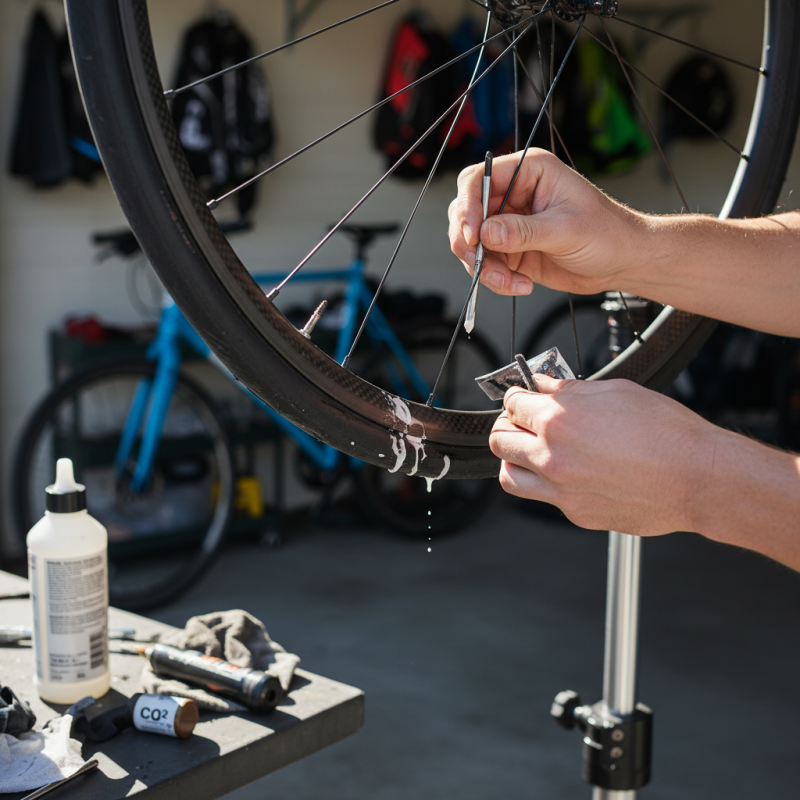
Leaks in tubeless wheel rims can be a frustrating issue for many riders. Identifying common causes is crucial for effective repairs. One primary reason for leaks is the improper installation of the tire. A survey revealed that about 30% of tubeless setups fail due to incorrect bead seating. It's essential to ensure that the tire is seated evenly. Inadequate rim tape can also lead to air loss. Using high-quality tape can reduce leaks significantly, as poor tape often fails under pressure.
Another common cause stems from punctures. Studies indicate that approximately 40% of tubeless tire leaks are caused by small punctures that go unnoticed. Regular inspections of the tire surface can help detect these issues early. Additionally, temperature changes can affect tire pressure and increase the risk of leaks. As the temperature drops, air contracts, leading to pressure loss. This can be particularly problematic for riders in regions with extreme weather variations.
Finally, age and lack of maintenance play roles in leaks. The rubber in tubeless tires can degrade over time. It's recommended to replace tires every five to seven years, regardless of usage. Regularly checking sealants is vital, as dried-out sealants cannot repair punctures effectively. Keeping up with these maintenance tips can help ensure a better performance from your tubeless wheel rims.
When tackling tubeless wheel rim leaks, having the right tools is essential. A good quality tire lever helps in removing the tire without damaging the rim. A pressure gauge is crucial to check the tire's inflation. You may also need sealant for quick fixes and a pump designed for tubeless systems. These tools make the repair process smoother and more efficient.
Inspecting the rim is vital. Look for cracks or bends. Use a flashlight for better visibility. If you notice any damage, consider replacing the rim instead of repairing it. Another tip: check the valve stem for leaks. Sometimes, a loose valve can be the source of the problem. Tightening it might stop the leak immediately.
While repairing, it’s common to encounter challenges. Sealant can be messy; it often gets everywhere. Don’t rush when applying it. Patience pays off by avoiding further leaks. Additionally, if you're inexperienced, consider consulting a professional. Experience matters in achieving an effective fix. Embracing these imperfections in your repair attempts can foster growth in your skills.
A leaking tubeless wheel rim can be frustrating. It disrupts rides and poses safety risks. According to industry reports, nearly 30% of cyclists encounter issues with tubeless systems. Understanding how to seal these leaks can save time and money.
Inspect the rim thoroughly. Look for visible punctures or valve stem issues. Often, small changes can make a big difference. A proper sealant can effectively fill these gaps. Ensure you use a sealant with proven performance metrics. Many products state effectiveness for up to six months. Reapplication may be necessary in high-performance scenarios.
Regular maintenance is crucial. Check tire pressure frequently. Low pressure can exacerbate leaks. Also, consider rotating tires to distribute wear. This simple step could prevent uneven surfaces from contributing to leaks. Follow these tips to help maintain your tubeless system. A proactive approach is always the best strategy.
When it comes to tubeless wheel rims, preventive maintenance is essential to avoid leaks. Regularly inspect the rim for cracks or dents. Small imperfections can lead to bigger problems later. Additionally, always check the tire sealant level. Maintaining adequate sealant not only ensures proper sealing but also helps fill any small punctures that may occur over time.
Another critical tip is to keep the rim and tire interface clean. Dirt and debris can compromise the seal, leading to leaks. Use a soft cloth to wipe down the beads before mounting tires. It's wise to reinstall tires after a few months. This practice allows you to inspect for wear and extend the lifespan of your rims.
Don’t overlook the importance of monitoring tire pressure. Under-inflated tires can stress the rim, causing air loss. Consider investing in a reliable tire pressure gauge. Consistent pressure checks become second nature with practice. Lastly, educate yourself about the installation process. Misalignment during tire fitting can invite leaks, so take your time and do it right.
When dealing with leaky tubeless wheel rims, knowing when to seek professional help is crucial. If your wheel allows air to escape frequently, it might point to a more significant problem. According to industry reports, approximately 30% of tubeless rim leaks result from manufacturing defects. Seeking professional assistance could save you from further complications down the line.
If you notice persistent air loss, visual inspection is essential. Shallow cracks or noticeable dents may require repair or replacement. A study indicated that 40% of riders ignore these signs, leading to tire damage or accidents. Relying solely on DIY fixes can sometimes exacerbate the issue. In these instances, experts possess tools and expertise that ensure thorough examinations.
Another warning sign is a severe tire bead seating issue. If your tire frequently pops off the rim, it’s likely time for help. An experienced technician can realign the rim and assess its integrity. Reports show that 25% of riders neglect this until they experience a tire blowout, highlighting the importance of timely interventions. Ignoring these concerns could lead to dangerous situations, making professional help not just advisable, but necessary.
| Tip Number | Tip Description | When to Seek Help |
|---|---|---|
| 1 | Inspect the rim for cracks or damage. | If the damage is severe and structurally compromised. |
| 2 | Ensure that the tire bead is seated correctly. | If correcting the bead doesn't resolve the leak. |
| 3 | Use a sealant to fill small punctures. | If leaks persist despite using sealant. |
| 4 | Check the valve stem for leaks. | If the valve is damaged and can't be repaired. |
| 5 | Clean the rim and tire thoroughly. | If dirt or debris continues to cause leaks after cleaning. |
| 6 | Recheck the tire pressure regularly. | If you experience frequent pressure loss. |
| 7 | Ensure compatible components are being used. | If mismatched parts are suspected as the issue. |
| 8 | Monitor temperature changes affecting tire pressure. | If there are drastic temperature changes causing pressure issues. |
| 9 | Consider tire rotation and inspection. | If uneven wear is leading to leaks. |
| 10 | Consult with a professional mechanic. | If all else fails and the problem persists. |
: Common causes include improper tire installation, inadequate rim tape, punctures, temperature changes, and aging.
Incorrect bead seating during installation can cause air loss, with around 30% of setups failing due to this issue.
High-quality rim tape helps prevent leaks, while poor tape can fail under pressure, leading to air loss.
Regular inspections can help detect small punctures early. Aim to check the tire surface frequently.
Temperature changes can cause air to contract, leading to pressure loss, especially in extreme weather conditions.
Tires should be replaced every five to seven years, regardless of usage, to avoid rubber degradation.
Consistent pressure checks prevent under-inflation, which stresses rims and can cause air loss.
If air loss is frequent or there are visible cracks, it’s wise to consult a professional to prevent further issues.
Frequent tire bead seating issues indicate that professional help is needed for realignment and assessment.
Inspect rims, maintain sealant levels, keep the rim clean, reinstall tires regularly, and monitor pressure.
In the article "China Top 10 Tips to Fix a Leaking Tubeless Wheel Rim," you'll find comprehensive guidance on how to fix a leaking tubeless wheel rim. It begins with identifying common causes of leaks, such as improper sealing and damage to the rim. Essential tools required for repairs, such as tire levers and sealant, are outlined to prepare you for the task.
The article then provides a step-by-step guide to sealing a tubeless wheel rim leak effectively, ensuring you follow the correct procedures for a lasting fix. To prevent future leaks, it emphasizes the importance of regular maintenance practices. Lastly, it advises when it might be necessary to seek professional help, ensuring you have all the information needed to tackle tubeless rim issues confidently.

Jersey Auto