Choosing between tube and tubeless wheels can be daunting. Expert cyclist and wheel specialist, Dr. Emily Carter, once stated, "Selecting the right type can significantly enhance your riding experience." With varying benefits and challenges, understanding how to choose between tube and tubeless wheels is essential for every cyclist.
Tube wheels offer easy repairs and are generally more affordable. However, they are prone to pinch flats and require more maintenance. In contrast, tubeless wheels provide a smoother ride and lower chances of flats but need a bit more effort to set up. This balancing act can confuse many riders.
Consider your riding style and terrain before deciding. Do you ride on rough trails or smooth roads? Each type caters to different preferences. Reflecting on your needs will guide you. Embrace the learning curve. Even seasoned cyclists can find this choice perplexing. Take time to weigh your options. With informed choices, your cycling experience can improve significantly.
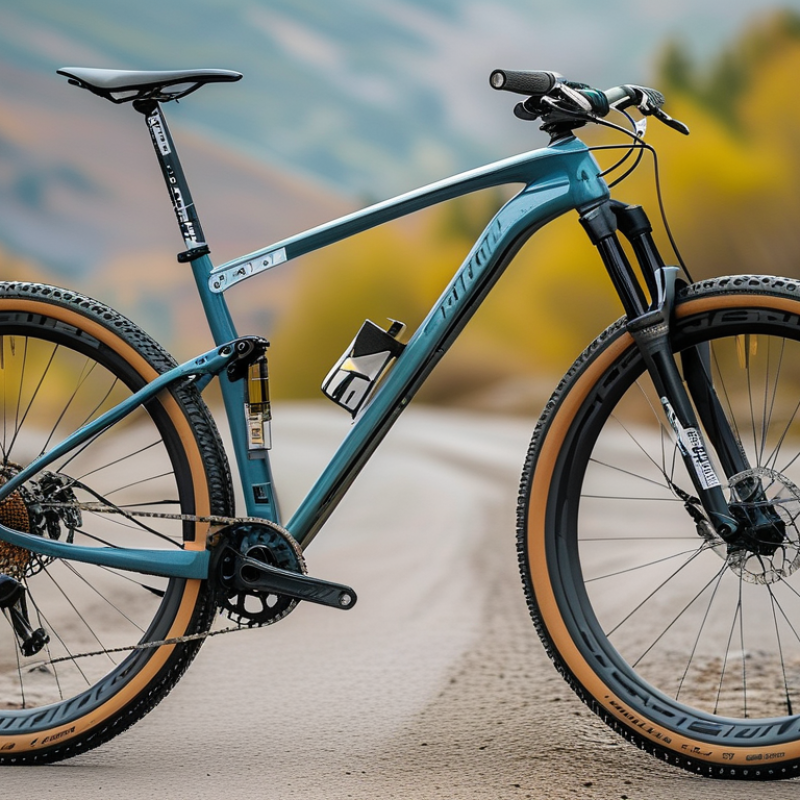
When choosing between tube and tubeless wheels, it’s essential to understand their differences. Tube wheels use an inner tube filled with air, while tubeless wheels create an airtight seal between tire and rim. According to a report by the Bicycle Industry Association, about 30% of cyclists have shifted to tubeless systems in recent years. This trend reflects a growing appreciation for their benefits.
One advantage of tubeless wheels is reduced flat tire occurrences. A study indicated that tubeless systems can lower flat rates by 40% compared to traditional setups. However, tubeless wheels can pose installation challenges, often requiring specific rim tape and sealants. Many cyclists report struggles with bead seating, which can be frustrating.
On the other hand, tube wheels offer simplicity. They are easier to repair and can be more familiar for new cyclists. However, data shows that traditional tubes tend to pinch more easily, especially in rough terrain. Some seasoned riders express concern over the weight difference, as tubeless tires can be heavier due to added components like sealants. Balancing these factors is crucial in making an informed decision.
When comparing tube and tubeless tires, it's essential to evaluate their advantages. Tube tires are more traditional. They are generally simpler to repair and can be used easily with various rims. However, they also have a higher risk of pinch flats. According to industry reports, tube tires have a 30% higher chance of flatting compared to tubeless options.
Tubeless tires, on the other hand, are often lighter and can maintain pressure better. They seal themselves upon puncturing, reducing the likelihood of air loss. A study by a leading tire manufacturer found that tubeless tires can improve fuel efficiency by up to 15%. This is crucial for cyclists and drivers focused on performance and cost-effectiveness.
Tip: Consider your cycling routine. If you ride rugged terrains, tubeless options could be beneficial. On smooth, well-maintained paths, tube tires might suffice. Tip: Look into the terrain you usually navigate. Tubeless tires excel in rough conditions, while tube tires are suitable for casual rides. It's about knowing your needs and making informed choices.
Choosing the right wheels for your riding style can be daunting. Tubeless wheels have gained popularity, but they are not suitable for everyone. Evaluating your riding style is crucial. For aggressive riders, tubeless wheels may offer lower rolling resistance and better traction on rough terrain. Data indicates that tubeless setups can reduce flats by up to 50%. This statistic is significant for mountain bikers, who often face unpredictable trails.
For recreational cyclists or those who ride paved surfaces, traditional tube setups might be sufficient. Tube wheels are easier to repair. This simplicity can be reassuring for casual riders. However, in a study conducted by the International Cycling Research Association, over 30% of riders reported struggling with flat repairs on long rides. The choice often depends on comfort and confidence in handling repairs.
Consider how often you ride and where. A weekend rider may prioritize ease of use. A competitive cyclist may seek every performance edge. The right choice aligns with your habits and goals. Tubeless wheels can be fantastic but require maintenance. These factors are essential in making a well-informed decision.
When considering tube versus tubeless wheels, maintenance and repair are crucial factors.
Tube wheels require regular inspection for punctures and proper inflation. If a tube is damaged, replacement is straightforward and typically quick. Carrying a spare tube is a common practice among cyclists. However, it can be tedious during long rides, and roadside repairs can be frustrating in adverse weather.
Tubeless wheels, on the other hand, minimize flat tires due to sealant.
Still, they can be tricky. Repairing a tubeless tire involves sealing the leak with a plug, which requires some skill. If the damage is severe, a spare tire might be necessary, making you consider carrying extra equipment. Regular maintenance is required to ensure the sealant remains effective; otherwise, leaks can develop over time.
Many cyclists appreciate the benefits of tubeless options, but they come with a learning curve.
Some prefer the simplicity of tubes for quick fixes. Balance your choice based on your riding style and comfort level with maintenance procedures. Each option has its challenges, and understanding them will help you make an informed decision.
When considering tube versus tubeless wheels, cost is a crucial factor. Tubeless options often come with a higher initial price tag. However, the long-term savings can be significant. Tubeless tires generally have better sealing properties. This can lead to fewer flats and less frequent replacements. Over time, riders might save money on repairs.
Another aspect to consider is maintenance costs. Tube systems require regular checks and replacements for inner tubes. These costs can add up, especially for frequent riders. Tubeless systems, on the other hand, typically take less time and effort to maintain. Riders may find they spend less time fixing flats and more time riding.
It's important to weigh these costs against your riding habits. If you ride infrequently, the savings with tubeless may not justify the initial investment. Contrarily, avid cyclists might benefit from tubeless technology immediately. This choice demands reflection on your cycling journey and how each option aligns with your personal needs and financial plans.
| Tip | Tube Wheels | Tubeless Wheels | Cost Factor |
|---|---|---|---|
| 1. Weight | Generally heavier | Lighter, better acceleration | More expensive |
| 2. Flat Resistance | Higher chance of punctures | Lower chance of punctures | Initial higher investment |
| 3. Maintenance | Simpler to fix | Requires sealant replacement | Ongoing maintenance cost |
| 4. Performance | Stable but less grip | Better grip and control | Potential higher cost |
| 5. Installation | Easy and fast | Requires practice | Potential service cost |
| 6. Versatility | More compatible with various bikes | Limited compatibility | Upgrade costs |
| 7. Cost of Replacement | Lower cost for tubes | Higher cost for tires and sealant | Long-term savings potential |
| 8. User Experience | Familiar feel | Smoother ride | Gradual investment |
| 9. Repair Kits | Widely available | Specialty kits needed | Initial higher cost |
| 10. Seasonal Use | Good for mixed conditions | Best for dry conditions | Long-term outdoor cost |
: Tube tires are traditional and easier to repair. They fit various rims. However, they have a higher risk of pinch flats.
Tubeless tires are lighter and maintain pressure better. They self-seal upon puncturing, which reduces air loss.
Tube tires have a 30% higher chance of flatting than tubeless options according to industry reports.
Evaluate your cycling routine and terrain. Tubeless options suit rugged terrains. Tube tires are fine for smoother paths.
Tube tires require regular inspections for punctures and inflation. Replacement is straightforward but can be tedious during long rides.
No, tubeless tires need regular maintenance. Sealant must be checked; otherwise, leaks may develop over time.
It can be tricky. Sealing a leak requires skill, and severe damage might need a spare tire.
Many cyclists appreciate tubeless tires for their benefits, but some prefer the simplicity of tube tires for quick fixes.
Practice is essential. Understand the process of plugging leaks to become more comfortable with repairs.
Carrying a spare tube is common, but also consider the challenges of roadside repairs in poor weather.
When considering how to choose between tube and tubeless wheels, it's essential to understand the fundamental differences between the two options. Tube wheels are traditionally used and are often easier to repair, while tubeless wheels offer advantages such as reduced weight and improved puncture resistance. Evaluating your riding style is crucial, as aggressive riders might benefit from the performance of tubeless tires, while casual cyclists may prefer the simplicity of tube setups.
Maintenance and repair needs also play a significant role in this decision. Tubeless tires require more careful installation and occasional sealant checks, whereas tube tires are straightforward to replace. Lastly, it's important to assess the cost factors involved, as tubeless systems can demand a higher initial investment but may save money on repairs in the long run. By weighing these considerations, you can make an informed choice that best suits your cycling needs.

Jersey Auto