Top 10 Tips for Torquing Wheel Lug Nuts Correctly?

Time:2026-07-03 Author:Sienna
0%

Properly torquing wheel lug nuts is crucial for vehicle safety. Many car enthusiasts and daily drivers overlook this essential process. Learning how to torque wheel lug nuts correctly can prevent accidents and ensure a smooth ride.

Using a torque wrench is key. A torque wrench provides precision, reducing the risk of over-torquing. Over-tightened nuts can strip threads, making them difficult to remove later. On the other hand, under-tightened nuts can lead to loose wheels, posing a serious safety risk.

Consider the manufacturer's specifications for torque settings. These guidelines exist for a reason. Ignoring them could compromise your vehicle's performance. While it's tempting to skip this step, taking the time to follow proper procedures is vital for peace of mind on the road.
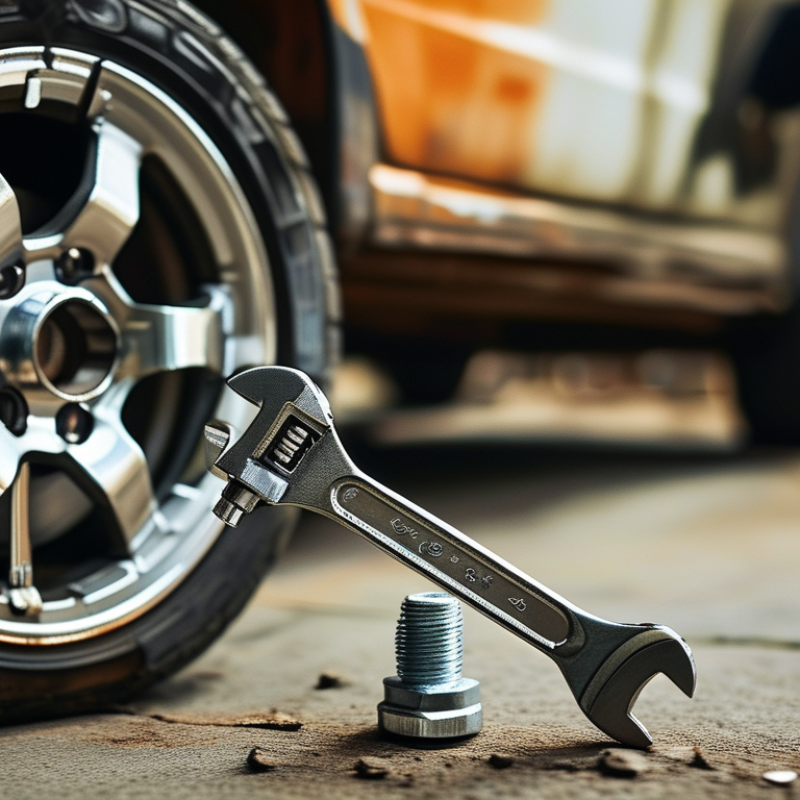
Top 10 Tips for Torquing Wheel Lug Nuts Correctly?

Understanding the Importance of Proper Lug Nut Torque Specifications

Proper lug nut torque specifications are crucial for vehicle safety and performance. When lug nuts are under or over-torqued, it can lead to serious issues. Wheels can loosen during driving, resulting in accidents. On the other hand, overtightening can damage wheel components, leading to expensive repairs.

Understanding the specifications for lug nut torque enhances reliability. Different vehicles require different torque levels based on size and load. Using a torque wrench ensures accuracy. It’s essential to check these specifications regularly. Visual cues, such as bent or warped rims, can indicate improper torque. Ignoring this can lead to significant problems down the road. Always consult your vehicle’s manual for precise information.

Driving habits also impact lug nut performance. Frequent stops, starts, and rough terrain can shift lug nuts. Checking torque regularly should be a routine practice, especially before long trips. It’s better to be cautious than to neglect this critical detail. Small lapses in maintenance can result in larger, avoidable issues later. Regular inspections can provide peace of mind and enhance driving safety.

Wheel Lug Nut Torque Specifications

This bar chart illustrates the recommended torque specifications for wheel lug nuts across different vehicle types. Proper torque is crucial for ensuring safety and optimal performance.

Common Mistakes in Torque Application and Their Consequences

When torquing wheel lug nuts, many mistakes can arise. A common error is using a single torque application followed by a quick final pull. This can lead to inconsistent tension across the nuts. If one nut is tighter than others, it can cause warping in the brake rotors. Inadequate torque can also lead to nuts loosening over time, increasing the risk of wheel detachment.

Another common mistake is ignoring the manufacturer's specifications. Each vehicle has specific torque requirements. Applying too much force can damage the wheel and hub. Similarly, using an impact wrench instead of a torque wrench might result in over-torquing. The consequences of incorrect torque application are severe. They include safety hazards and costly repairs.

It’s essential to use a torque wrench properly. Many people rely on guesswork or feel, which often results in inaccurate readings. Regularly calibrating your tools is also crucial. Ensuring your equipment is reliable will promote safety and prolong the life of your vehicle’s components.

The Role of Torque Wrenches: Types and Calibration Procedures

Torque wrenches are essential for correctly tightening wheel lug nuts. They ensure that the nuts are secured to the manufacturer’s specifications, which helps avoid issues like wheel detachment or brake system failure. Different types of torque wrenches, such as beam, click, and digital models, serve various needs. Each type has its own advantages. For instance, click wrenches provide an audible signal when the desired torque is reached.

Calibration is crucial for maintaining accuracy. A torque wrench should be calibrated regularly to ensure it functions correctly. Using a wrench that is out of calibration can lead to over-tightening or under-tightening. This can affect vehicle safety significantly. It's important to check the manufacturer’s guidelines on calibration frequency. Also, be mindful of how the wrench is stored. Improper storage can lead to loss of accuracy.

Often, users neglect the importance of proper technique while using torque wrenches. It's vital to apply the wrench smoothly and steadily without jerky movements. Some mechanics make the mistake of relying too heavily on the wrench without double-checking the specifications. This can result in costly mistakes and potential hazards. Regular practice and awareness of proper techniques can significantly improve the effectiveness of using torque wrenches.

Step-by-Step Guide to Correctly Torque Your Wheel Lug Nuts

When it comes to ensuring your vehicle's safety, properly torquing lug nuts is essential. According to industry research, approximately 30% of vehicle breakdowns are linked to loose wheel lug nuts. Achieving the correct torque not only prolongs the life of your tires but also enhances overall handling and safety.

Begin by gathering the necessary tools: a torque wrench and a star pattern guide. It's vital to use a calibrated torque wrench; one that hasn't been checked might lead to improper torque. Most vehicles require lug nuts to be torqued between 80 to 100 foot-pounds, but always consult the owner's manual for specifics.

One crucial tip is to avoid over-tightening. Doing so increases the risk of damaging the wheel or lug nuts. Aim for a clean surface before installation to ensure accurate torque readings. After driving for about 50 miles, make sure to check the lug nut torque again. Many car owners overlook this step, leading to potential tire instability. Make these practices a regular part of your maintenance routine.

Top 10 Tips for Torquing Wheel Lug Nuts Correctly

Tip Number Tip Description Recommended Torque (ft-lbs) Common Vehicle Type
1 Always use a torque wrench for accuracy. 80 Sedan
2 Follow the star pattern when tightening. 100 SUV
3 Always check torque after driving a short distance. 90 Truck
4 Ensure wheels are properly seated before torquing. 95 Minivan
5 Use the correct size socket for your lug nuts. 85 Coupe
6 Do not overtighten as it can strip threads. 75 Compact
7 Inspect lug nuts for damage before use. 80 Electric Vehicle
8 Use lubrication on threads if specified. 100 Luxury Car
9 Avoid using impact wrenches for final torque. 95 Crossover
10 Check manufacturer's specifications for your vehicle. 90 All Types

Industry Standards: Recommended Torque Values for Different Vehicle Types

When it comes to vehicle maintenance, ensuring that wheel lug nuts are torqued correctly is vital. Different vehicle types have varying torque specifications. For example, a compact car might require around 80 lb-ft, while larger SUVs can range from 100 to 140 lb-ft. Understanding these values is crucial in preventing accidents.

The recommended torque values often come from the manufacturer’s guidelines. Newer vehicles typically have detailed specifications. However, not all drivers check this information regularly. It is not uncommon to see lug nuts overly tightened or insufficiently secured. The consequences can impact vehicle safety and performance significantly.

Regular tools like a torque wrench are essential for this task. Adjusting the wrench to the correct setting ensures accuracy. It’s easy to overlook this important detail. Always verify specifications before starting. Keep in mind that weather conditions and previous maintenance can affect torque needs too. Discrepancies happen, and being cautious can save you time and future headaches.

FAQS

: Why is proper lug nut torque important?

: Proper torque ensures wheel safety. Under-torqued nuts may loosen, causing accidents. Over-torqued nuts can damage components.

How can I check if my lug nuts are torqued correctly?

Use a calibrated torque wrench. Always consult your vehicle’s manual for the correct specifications before checking.

What happens if I ignore lug nut torque?

Ignoring torque can lead to significant issues. Loose lug nuts may result in serious accidents.

How often should I check my lug nut torque?

Regular checks are essential, especially before long trips. Every few hundred miles is a good practice.

What are the torque specifications for different vehicles?

Compact cars require around 80 lb-ft. Larger SUVs may need 100 to 140 lb-ft. Always verify for your specific vehicle.

Can driving habits affect lug nut performance?

Yes, frequent stops and rough terrain can shift lug nuts. Regular checks can prevent potential issues stemming from these shifts.

What tools do I need to torque lug nuts correctly?

Gather a torque wrench and a star pattern guide for accurate torque application.

Why should I recheck torque after driving?

After 50 miles, rechecking can ensure stability. Many owners overlook this step, risking tire issues.

How do weather conditions affect lug nut torque?

Weather can change the torque requirements. It’s wise to recheck after extreme conditions or maintenance work.

What is the risk of over-tightening lug nuts?

Over-tightening can damage wheels or lug nuts. Aim for correct specifications to avoid costly repairs.

Conclusion

Properly torquing wheel lug nuts is crucial for vehicle safety and performance. Understanding the importance of adhering to specific torque specifications can prevent common mistakes that might lead to wheel damage or accidents. This article covers essential guidance on how to torque wheel lug nuts correctly, emphasizing the significance of using the right tools, particularly torque wrenches, and ensuring they are properly calibrated for accuracy.

A step-by-step guide provides clear instructions on achieving the correct lug nut torque, alongside industry standards that outline recommended torque values for various vehicle types. By following these protocols, vehicle owners can enhance their safety and ensure optimal functionality. Ultimately, understanding these practices is vital for anyone looking to maintain their vehicle effectively.

Sienna

Sienna

Sienna is a skilled marketing professional with a deep expertise in our company’s core products and services. With a passion for innovation and detail, she plays a pivotal role in crafting insightful blog posts that not only highlight the unique features of our offerings but also provide valuable......