When it comes to vehicle safety, understanding "When to replace old wheel rims for safety" is crucial. According to Richard Malone, a seasoned automotive expert, "Worn or damaged wheel rims can jeopardize the entire vehicle's integrity." This statement underscores the importance of regularly assessing your wheel rims.
Wheel rims endure constant stress from the road. Over time, they may develop cracks, bends, or corrosion, which can compromise their structural integrity. Recognizing the signs of wear and tear can prevent accidents. Drivers should be vigilant for visual cues like dents or rust, which can indicate a need for replacement.
Scheduling routine maintenance checks is essential. Even experienced drivers might overlook minor issues until they escalate. The decision to replace old wheel rims should not be taken lightly. It's a balance between cost and safety that every vehicle owner must consider carefully. Understanding the implications of worn rims can lead to better safety and performance on the road.
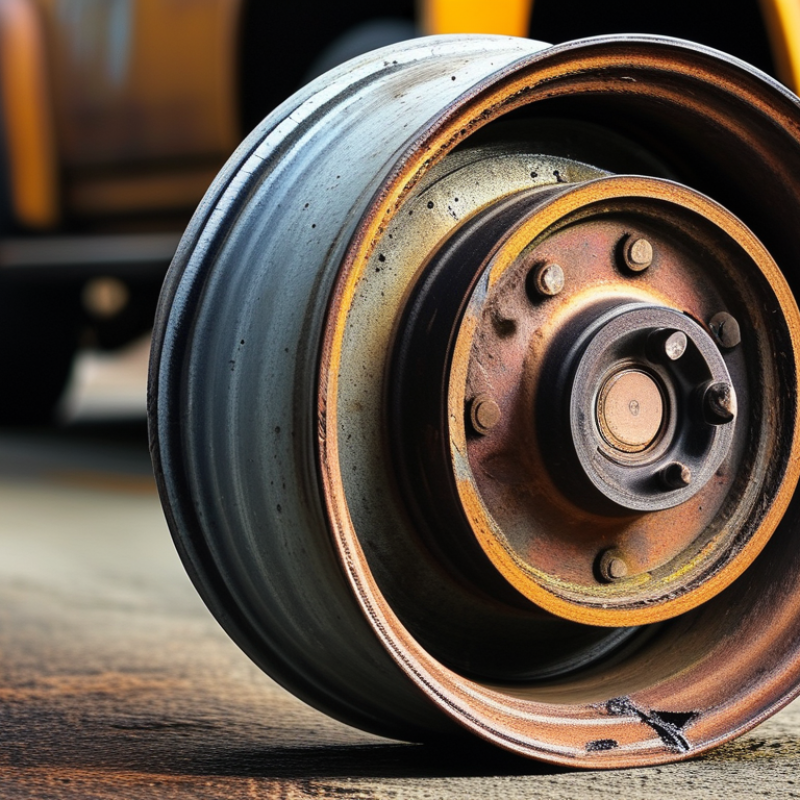
Factors Indicating the Need for Wheel Rim Replacement
When assessing the condition of your vehicle, wheel rims deserve special attention. Many drivers overlook their rims, thinking they are just one of many components. However, damaged or worn rims can compromise safety. One clear sign of rim failure is visible corrosion. Rust can weaken the metal over time, increasing the risk of a blowout.
Another crucial factor is bends or cracks. These issues can arise from potholes or accidents, leading to uneven tire wear. If you notice any bulges or irregularities in the rim structure, it may be time for a replacement. Additionally, pay attention to vibrations while driving. Excessive vibrations often indicate deeper problems that may relate to the rims.
Routine inspections at home can help. A simple visual check can reveal much. Look for dirt build-up, which may signal hidden damage underneath. If you’re unsure, consult a professional for advice. Their expertise can prevent potential accidents. Trust your instincts. If something feels off, investigate it further. Your safety is paramount.
Effects of Damaged Wheel Rims on Vehicle Safety
Damaged wheel rims can pose serious risks to vehicle safety. When rims are bent, cracked, or corroded, they affect tire integrity. This can lead to sudden blowouts. Imagine driving at high speed and losing control due to a failed rim. It’s a frightening scenario that can have fatal consequences.
Properly functioning rims ensure better handling and stability. If your vehicle struggles with steering or vibrations, it could signal rim damage. Regular inspections can identify these issues before they escalate. Even minor dents can impact performance. Don’t ignore warning signs. A small crack can rapidly develop into a larger problem that jeopardizes your safety.
Road conditions play a role in rim wear. Potholes and debris can inflict damage without noticeable signs. In areas with harsh weather, corrosion can weaken rims. This situation requires close attention and sometimes immediate action. Consider your driving environment. Regular maintenance checks should be a priority. Take the time to examine your rims and seek professional advice when in doubt.
When is the Right Time to Replace Old Wheel Rims for Safety? - Effects of Damaged Wheel Rims on Vehicle Safety
| Condition of Wheel Rims |
Potential Risks |
Signs to Replace |
Recommended Action |
| Minor Scratches |
Low risk; visual issue |
Visible scratches |
Monitor condition and clean regularly |
| Bending |
Increased tire wear; possible blowouts |
Vibration when driving |
Replace immediately |
| Rust & Corrosion |
Pressure loss; structural integrity compromised |
Visible rust; leaks |
Replace as soon as possible |
| Cracks |
Risk of sudden failure; accidents |
Visible cracks |
Replace immediately |
| Severe Damage |
Uncontrollable steering; accident risk |
Severe dents, missing parts |
Do not drive; replace immediately |
Recommended Inspection Frequency for Wheel Rims
Regular inspection of wheel rims is crucial for vehicle safety. According to the National Highway Traffic Safety Administration, improper maintenance can lead to accidents. Experts recommend inspecting wheel rims every six months or after hitting a pothole or curb. Visual checks can reveal cracks, corrosion, or bent rims that could compromise performance.
Tip: Always check the rim for uneven wear. This can indicate alignment issues or suspension problems needing attention. An overlooked rim can lead to punctures or blowouts, endangering lives.
It's essential to trust qualified professionals for inspections. Many garages have specific equipment to measure rim integrity. Research by the Tire Industry Association suggests that proactive maintenance can extend rim life by up to 30%. Neglecting small issues can result in significant repairs later, costing more than routine checks.
Tip: Document any inspections or findings for future reference. This information can help track recurring problems and ensure timely replacements.
Signs of Wear and Tear to Monitor on Wheel Rims
Wheel rims endure a lot of stress, and over time, they can exhibit signs of wear and tear. One crucial sign to look for is corrosion. Rust can weaken the structure of the rim. If you notice flaking paint or rust spots, it’s essential to examine further. Multiple small holes can indicate deeper issues. Even a small imperfection might compromise safety.
Another critical factor is cracking. This problem can often go unnoticed until it’s too late. Carefully inspect the rim for any visible cracks. Small hairline cracks might seem harmless. However, they can grow larger and lead to catastrophic failure. Checking the rim's integrity under different lighting can reveal issues you might overlook.
Lastly, pay attention to rim bends or dents. Hitting a pothole can do significant damage. A bent rim can impact tire performance and handling. If you experience vibrations while driving, it might be due to rim issues. Regular checks will enhance safety and performance. Prioritizing these inspections ensures your driving experience remains safe and reliable.
Benefits of Upgrading to New Wheel Rims for Safety
Upgrading to new wheel rims can significantly enhance vehicle safety. Over time, old rims can develop structural weaknesses, leading to tire blowouts. According to the National Highway Traffic Safety Administration (NHTSA), about 10% of tire-related accidents are linked to damaged rims. These statistics highlight the importance of regular inspections.
Newer wheel rims often use advanced materials providing improved durability. Many offer better corrosion resistance, which can prolong their lifespan. In a recent study, vehicles with high-quality rims experienced fewer failures compared to those with outdated options. The research indicated that switching to improved rims could reduce maintenance costs and enhance driving stability.
While replacing rims might seem costly, it is an investment in safety. Old rims may not perform well under stress, especially during sudden maneuvers. If your rims are rusty or bent, the risks multiply. Upgrading ensures a smoother ride and reduces the chances of unexpected accidents. Investing in new wheel rims clearly outweighs the potential hazards of neglect.
Conclusion
Determining "when to replace old wheel rims for safety" is crucial for maintaining vehicle performance and ensuring driver safety. Several factors can indicate the need for replacement, such as visible signs of damage, significant wear and tear, or corrosion. Damaged wheel rims can compromise the vehicle's stability, lead to tire failure, and increase the risk of accidents. Regular inspections are recommended to catch any issues early; checking the rims should be part of routine vehicle maintenance.
Drivers should monitor for specific signs of wear, including cracks, bends, or unusual vibrations while driving. Upgrading to new wheel rims not only enhances safety but can also improve handling and fuel efficiency. In summary, being vigilant about the condition of wheel rims and understanding when to replace old wheel rims is essential for safe and effective vehicle operation.

 Jersey Auto