In the fast-paced world of racing, every detail matters. The use of center locks in racing wheels has become increasingly common in top models, especially in 2026. Industry expert Dr. James Thornton, a recognized authority in automotive engineering, once stated, “Center locks provide quicker wheel changes and improved safety during high-speed races.” This highlights the growing importance of efficiency and safety in motorsport.
Why do racing wheels have center locks? The answer lies in their design, which allows teams to change tires rapidly during pit stops. Traditional lug nuts require more time and precision, but center locks simplify the process. With just one central locking mechanism, teams can shave seconds off their pit times.
However, the reliance on center locks isn’t without challenges. The system requires specialized tools and precise installation to function effectively. Any mistakes can lead to serious consequences on the track. Despite these risks, the benefits of reduced weight and increased stability often outweigh the drawbacks. This makes center locks a focal point of discussion for racing engineers and enthusiasts alike.
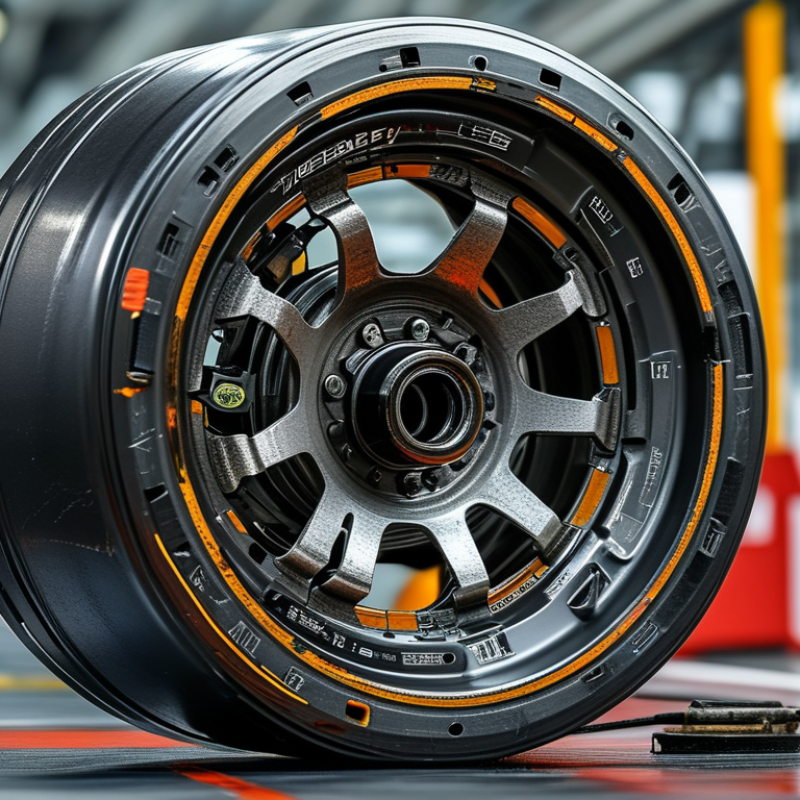
Center locks have transformed the design of racing wheels, particularly in 2026 top models. This innovative concept simplifies wheel changes, enhancing efficiency during pit stops. By utilizing a single central nut, teams can quickly swap tires without fussing over multiple lug nuts. This small adjustment can save precious seconds in a race, often proving crucial.
One important aspect is the strength of the center lock mechanism. Its design ensures that wheels stay securely attached, even under harsh racing conditions. Proper installation is key. An improperly fixed wheel can create serious safety hazards. Attention to detail during this process cannot be overstated.
Here are some tips when considering center locks. Ensure you have the right tools for installation. A high-quality torque wrench is essential. Regular maintenance and checks on the locking ring can prevent issues. Remember to inspect the threads regularly, as wear can compromise safety. Ultimately, mastering the center lock concept can enhance both performance and safety on the racetrack.
| Model | Wheel Type | Center Lock System | Weight (kg) | Material | Advantages |
|---|---|---|---|---|---|
| Model A | Race Wheel | Single Nut Lock | 10 | Carbon Fiber | Faster wheel changes |
| Model B | Track Wheel | Double Lock Mechanism | 9.5 | Aluminum Alloy | Enhanced safety during high speeds |
| Model C | Performance Wheel | Quick Release | 11 | Titanium | Lightweight and durable |
| Model D | Endurance Wheel | Universal Lock | 10.5 | Magnesium | Optimal stress distribution |
Racing wheels increasingly feature center lock systems, especially in top models for 2026. These systems offer significant advantages over traditional lug nuts. One major benefit is the speed of tire changes. A center lock can be removed with a single tool, reducing pit stop times dramatically. This is crucial in racing, where every second counts.
Center lock systems also enhance safety. With fewer parts, the chance of components loosening is minimized. A well-secured wheel can improve vehicle stability at high speeds. It’s important to note that not all center locks are created equal. Some setups may require more maintenance and attention than others. This can lead to potential issues if not addressed.
When using center locks, test your setup frequently. Ensure that all components are secure before each race. Stay aware of the wear on the locking mechanism. Upkeep is key. Furthermore, consider the tool required for center locks. Having the right equipment on hand can save precious time. Reliability can only be assured through regular inspections.
In racing, every second counts. Center locks on racing wheels have gained traction for their influence on pit stop efficiency. Reports indicate that teams utilizing center locks can reduce wheel change times by 30%, significantly impacting race outcomes. The idea is simple: a single lock mechanism streamlines the process, enabling quick release and attachment of tires.
Additionally, studies show that faster tire changes lead to improved overall performance. A 2023 analysis highlighted that teams with quicker pit stops maintained an average speed gain of up to 0.5 seconds per lap. However, the implementation of center locks is not without challenges. Teams must balance weight, durability, and the skill required for using this technology. Misalignment during tire changes could negate potential time savings.
Center locks require careful consideration in the design phase. Some teams incorrectly assume all personnel can adapt easily. Training is crucial to fully utilize these systems. For instance, during high-pressure situations, mistakes are more likely, and a poorly executed tire change could cost precious seconds. The benefits of center locks are clear, yet the potential for mishaps serves as a reminder that continuous improvement is essential in the high-stakes world of racing.
The evolution of center lock designs in racing wheels reflects significant technological advancements in 2026. The focus is on enhancing speed and efficiency. The new systems are lighter, reducing overall weight while maintaining strength and durability. Engineers have adopted advanced materials, like carbon fiber, which improves performance. This shift allows for quicker tire changes during races, crucial in gaining timely seconds.
Furthermore, the latest center locks boast improved ergonomic designs. The mechanisms now feature user-friendly locking systems. Drivers can secure or release the wheels with minimal effort, even under pressure. However, there are challenges. Some drivers still encounter difficulties in high-stress situations, requiring practice and adaptation. This inconsistency highlights the need for continuous refinement in design.
Innovations like self-locking mechanisms are being explored. These advances promise greater reliability and faster adjustments. Yet, some racing enthusiasts question their effectiveness in extreme conditions. As technology progresses, striking a balance between speed and safety remains a complex task. Understanding these advancements is key to appreciating the nuances of modern racing.
In the high-stakes world of racing, safety is paramount. The introduction of center lock wheel systems in top models aims to enhance this essential aspect. These systems allow for quick tire changes, minimizing pit stop times. Moreover, they provide a more secure fitting compared to traditional designs. This security is crucial during high-speed maneuvers, where every second counts.
When considering safety regulations, it's vital to note that center lock systems must meet rigorous standards. They are designed to withstand extreme conditions, offering greater durability and reliability. However, not all center lock systems are created equal. Potential failures can occur if the components are not properly maintained or installed. Racing teams must be diligent in their checks and maintenance routines.
Tips: Regularly inspect the locking mechanism for wear and tear. Ensure that the wheel and hub are clean during installation. It’s helpful to keep a maintenance log to track inspections and repairs. Remember, a well-maintained wheel system not only enhances performance but also ensures driver safety.
: Center lock systems allow for faster tire changes, reducing pit stop times significantly.
They enhance safety by minimizing the number of parts, which reduces the chance of loosening components.
Test your setup frequently and ensure all components are secure before each race.
Advanced materials like carbon fiber are being adopted to improve strength and performance.
Some drivers find it difficult to use them under pressure, highlighting a need for practice and adaptation.
Some configurations may require more maintenance, leading to possible issues if neglected.
Improved ergonomic designs allow drivers to secure wheels easily, even in high-stress situations.
Reliability ensures quick adjustments during races, impacting overall performance and safety.
Innovations like self-locking mechanisms are being considered for greater reliability.
Continuous practice and refinement of techniques can help improve usage under race conditions.
The use of center locks in racing wheels has become increasingly prevalent in 2026 top models, prompting the question: "Why do racing wheels have center locks?" Center lock systems provide several advantages over traditional lug nut designs, including reduced weight and improved aerodynamics. Additionally, they facilitate quicker tire changes during pit stops, significantly enhancing overall race efficiency.
Technological advancements have led to innovative designs and materials for center lock systems, further increasing their reliability and performance. Safety is a vital concern, and regulations surrounding center lock wheels have evolved to ensure they meet stringent standards, ultimately benefitting teams and drivers alike. As the motorsport landscape continues to evolve, center locks are set to play a critical role in the ongoing quest for speed and efficiency.

Jersey Auto