How to Properly Balance Heavy Duty Truck Wheels for Safety

Time:2026-05-31 Author:Madeline
0%

Properly balancing heavy-duty truck wheels is crucial for safety and performance. According to the American Trucking Associations, improper wheel balance can lead to increased tire wear and reduced fuel efficiency. A report from the Environmental Protection Agency states that inefficient trucks contribute to higher emissions, emphasizing the importance of maintaining optimal vehicle performance.

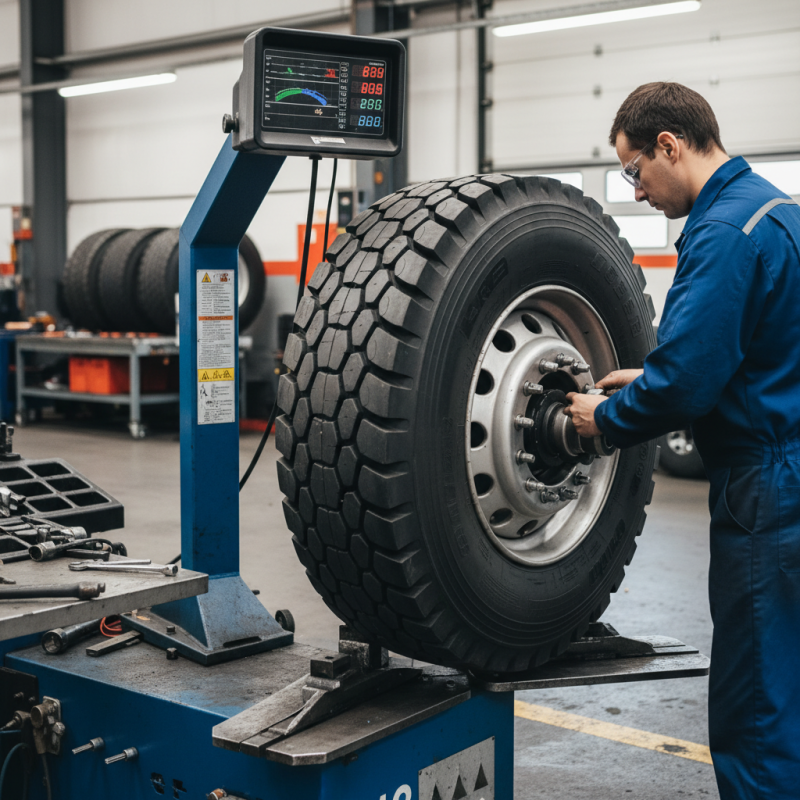
The process of how to balance heavy-duty truck wheels properly involves using specialized equipment. This equipment measures the weight distribution across the wheel. Many truck fleets overlook this aspect, leading to safety risks. It is estimated that 70% of truck accidents may be influenced by wheel-related issues. That’s a significant number that demands attention.

Attention to detail matters in this process. Regular maintenance checks are vital, as even minor imbalances can lead to severe consequences. A proactive approach can prevent excessive downtime and costly repairs. Understanding and implementing proper wheel balancing techniques can dramatically improve safety and efficiency. Reflecting on your current practices is essential for ensuring a safer road ahead.
How to Properly Balance Heavy Duty Truck Wheels for Safety

Understanding the Importance of Proper Wheel Balancing in Heavy Duty Trucks

Proper wheel balancing in heavy-duty trucks is crucial for safety and efficiency. Unbalanced wheels can cause uneven wear on tires and lead to increased fuel consumption. This imbalance can also create vibrations that affect driver comfort and control. In heavy-duty vehicles, the impact is magnified. With a larger mass, unbalanced wheels can result in severe handling issues.

The process of balancing involves ensuring each wheel's weight is evenly distributed. Technicians often use specialized equipment to measure and correct any disparities. Regular checks are necessary, especially for trucks that operate under harsh conditions. Drivers should be aware of signs of imbalance, such as vibrations or uneven tire wear. Ignoring these issues can lead to costly repairs and hazardous situations.

Some operators may overlook the importance of routine balancing, often thinking it's unnecessary. However, this mindset can lead to dangerous scenarios on the road. By investing time in proper wheel balancing, fleet operators can enhance the safety and longevity of their vehicles. A proactive approach avoids the pitfalls of neglect and ensures a smoother ride.

Common Symptoms of Unbalanced Wheels in Heavy Duty Trucks

Unbalanced wheels in heavy-duty trucks can lead to serious issues. Common symptoms include uneven tire wear, vibrations, and steering difficulties. A study by the National Institute for Occupational Safety and Health indicates that approximately 30% of commercial vehicle accidents are related to wheel misalignment and imbalance.

When a truck’s wheels are not properly balanced, tires can suffer from premature wear. This results in increased replacement costs. Moreover, vibrations can cause driver fatigue and may impair reaction times. Research shows that a driver experiences diminished focus after just a few hours of battling vibrations, leading to potential hazards on the road.

Ignoring these signs can worsen safety issues. Steering difficulties often arise when heavy-duty trucks have unbalanced wheels. Such problems can present risks during sudden stops or lane changes. The Federal Motor Carrier Safety Administration has reported that around 11% of all heavy truck crashes are linked to poor maintenance, including wheel balance. Awareness and proper maintenance are crucial for ensuring safety on the road.

How to Properly Balance Heavy Duty Truck Wheels for Safety - Common Symptoms of Unbalanced Wheels in Heavy Duty Trucks

Symptom Description Causes Suggested Action
Vibration Unusual shaking felt in the steering wheel or cabin. Uneven distribution of weight on the wheels. Have wheels balanced by a professional technician.
Uneven Tire Wear Tires show patches of excessive wear on specific areas. Improper wheel balance can lead to uneven pressure distribution. Regularly check and balance wheels; replace worn tires.
Steering Pull Truck drifts or pulls to one side while driving. Weight imbalance can cause difficulty in maintaining a straight path. Assess wheel balance and alignment; adjust as needed.
Noisy Ride Excessive noise from tires during operation. Imbalance can lead to irregular tire contact with the road. Inspect and balance wheels to reduce noise levels.
Increased Fuel Consumption Noticeable drop in fuel efficiency during operation. Unbalanced wheels can create additional drag and resistance. Regular balancing and maintenance to ensure optimal efficiency.

Step-by-Step Procedure for Balancing Heavy Duty Truck Wheels

Balancing heavy-duty truck wheels is crucial for safety and performance. An unbalanced wheel can lead to uneven tire wear and reduced fuel efficiency. Follow these simple steps for effective balancing.

Begin by conducting a visual inspection of the wheel and tire assembly. Check for any damages or excessive wear. If the tires are worn unevenly, it could indicate a need for alignment or replacement. Clean the rim thoroughly to ensure an accurate balance.

Next, mount the wheel onto a balancing machine. Here, you’ll observe the weight distribution. Add wheel weights as necessary to correct any imbalance. Ensure that the weights are applied at appropriate positions. It’s important to verify the balance before removing the wheel from the machine.

Tips: Regularly inspect your truck's wheels to catch imbalances early. This can prevent costly repairs down the road. Always ensure that your balancing equipment is calibrated to maintain accuracy.

After balancing, take the vehicle for a test drive. Listen for any vibrations or unusual noises. If any issues arise, reassess the balance. Always prioritize the safety of yourself and others by keeping your truck in top condition.

Heavy Duty Truck Wheel Balancing Efficiency

Essential Equipment and Tools for Wheel Balancing in the Trucking Industry

When it comes to truck wheel balancing, having the right tools is crucial for safety. First, a high-quality wheel balancer is essential. This equipment precisely measures weight distribution, helping ensure that wheels rotate evenly. An accurate balancer reduces vibrations and prolongs tire life. A manual or digital balancer can work, but the latter offers more precision and ease of use.

In addition to a wheel balancer, consider investing in precision weights. These weights must fit securely on the rim. Some trucks require specific weight types, depending on the rim design. If the weights are mismatched, it can lead to more issues down the road. Also, using a torque wrench is vital for properly securing lug nuts. Incorrect torque can cause wheels to loosen while driving, which poses serious safety risks.

Lastly, don’t overlook the importance of a good set of tire pressure gauges. Maintaining proper pressure is critical for performance. Under-inflated tires can suffer from uneven wear. This in turn requires more frequent balancing. Inconsistent monitoring can lead to costly repairs and dangerous driving conditions. Regular checks and balances can save time and money in the long term.

Industry Standards and Regulations for Safe Wheel Balancing Practices

Safe wheel balancing practices for heavy-duty trucks are essential for both safety and performance. Adhering to industry standards helps to reduce wear and tear on tires and prolongs vehicle life. Accurate balancing prevents vibrations that can lead to decreased handling and potential accidents.

Regulations dictate that wheel balance must be checked regularly. Professional mechanics should use reliable equipment to measure balance accurately. Improper techniques can result in hazardous driving conditions. Mechanics must understand the specific weights and dimensions of each wheel type.

Reflecting on balancing practices, it's evident that many overlook routine checks. Skipping these can affect performance. Regular training for technicians is crucial for maintaining skills. Balancing is not just a task; it’s an ongoing commitment to safety and efficiency in heavy-duty trucking.

FAQS

: Why is proper wheel balancing important for heavy-duty trucks?

: Proper wheel balancing ensures safety and efficiency. It prevents uneven tire wear and reduces fuel consumption.

What can happen if wheels are unbalanced?

Unbalanced wheels cause vibrations that affect driver comfort. They can lead to handling issues and increase repair costs.

How is wheel balancing achieved?

Technicians use specialized equipment to measure wheel weight distribution. They correct any imbalances found during checks.

How often should wheel balancing be checked?

Regular checks are necessary, especially under harsh operating conditions. Ignoring signs of imbalance can result in serious problems.

What signs indicate a wheel imbalance?

Drivers should look for vibrations and uneven tire wear. These are common indicators of the need for balancing.

Are some operators neglecting balancing practices?

Yes, some believe routine balancing is unnecessary. This mindset can lead to dangerous situations on the road.

What impact do industry standards have on wheel balancing?

Adhering to industry standards reduces tire wear. It also enhances vehicle life and ensures safety performance.

What do mechanics need to know for proper balancing?

Mechanics must understand wheel weights and dimensions. They need to use reliable equipment for accurate measurements.

Why is ongoing training for technicians important?

Regular training helps maintain technical skills. It ensures that balancing practices meet safety and efficiency standards.

What can neglecting balancing lead to?

Neglecting wheel balancing can result in poor performance. It can create hazardous driving conditions and costly repairs.

Conclusion

Properly balancing heavy-duty truck wheels is crucial for ensuring safety, optimizing performance, and extending the lifespan of the vehicle. Understanding the importance of this process begins with recognizing the common symptoms of unbalanced wheels, such as vibrations, uneven tire wear, and decreased fuel efficiency. To effectively address these issues, a step-by-step procedure for balancing heavy-duty truck wheels is essential. This involves using the appropriate equipment and tools, which are vital in the trucking industry to maintain standards of safety and reliability.

In addition to practical steps, familiarity with industry standards and regulations surrounding wheel balancing practices is necessary for compliance and safety. By learning **how to balance heavy-duty truck wheels properly**, trucking professionals can contribute to safer roadways and better vehicle performance, ultimately protecting both drivers and cargo.

Madeline

Madeline

Madeline is a dedicated marketing professional with a wealth of expertise in our company's core offerings. With a keen understanding of the industry, she brings a unique perspective to her role, consistently delivering high-quality content that highlights the superior aspects of our products. As......