Chrome wheels can elevate a vehicle's appearance, but they are vulnerable to peeling and pitting. According to industry expert Dr. Thomas Leclerc, "The primary cause of chrome wheels peeling is exposure to environmental elements." This highlights the need for awareness around what causes chrome wheels to peel or pit.
Corrosion is a significant factor leading to deterioration. Road salt, moisture, and dirt can infiltrate the protective coating. Once this barrier is compromised, the chrome underneath begins to oxidize. It's crucial to recognize the importance of proper maintenance. Regular cleaning and the application of protective coatings can significantly extend the lifespan of chrome wheels.
While manufacturers strive for quality, user habits play a pivotal role. Neglecting regular upkeep can lead to costly replacements. Anecdotal stories from car enthusiasts often reveal frustration over premature wheel peeling. These narratives reinforce the value of understanding the environmental factors and maintenance practices. Chrome wheels deserve the same attention as other parts of your vehicle; remember that prevention is key.
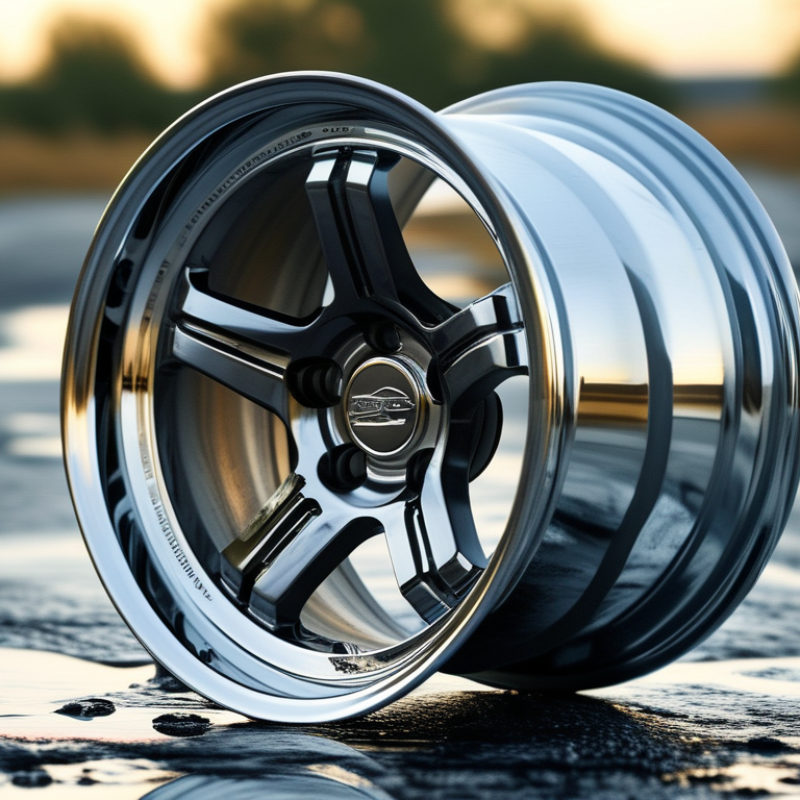
Chrome wheels can elevate the look of any vehicle. However, they are susceptible to peeling and pitting. These issues often stem from exposure to harsh elements, road salt, and improper care. Over time, the protective layers can break down, leading to naked metal that is prone to damage. Understanding these causes is essential to maintaining their appearance.
Regular cleaning is vital. Road grime, brake dust, and chemicals can accumulate on chrome surfaces. Use a soft cloth and appropriate wheel cleaner for maintenance. Avoid abrasive materials that can scratch the surface. Rinse thoroughly to remove all residues. This simple routine can help protect the wheel's finish.
Inspecting your wheels for damage is crucial. A small chip can lead to larger problems if neglected. If you notice peeling or pitting, consult a professional. They can assess whether the damage can be repaired or requires a full refinishing. Addressing issues early prevents further deterioration, extending the life of your chrome wheels.
| Cause | Prevention Method | Affected Areas | Recommended Maintenance Frequency |
|---|---|---|---|
| Corrosive Road Chemicals | Regularly wash wheels with soap and water | Wheels | Every 2 weeks |
| Impact Damage | Avoid potholes and sharp objects | Wheels, Tires | As needed |
| Poor Quality Coating | Choose high-quality wheels and coatings | Wheels | Every service interval |
| Environmental Factors | Use protective wax or sealant | Wheels | Monthly |
| Lack of Maintenance | Establish a cleaning schedule | Wheels, Tires | Regular intervals |
: Regular cleaning removes dirt and grime that can accumulate. It prevents peeling and pitting over time.
Use a soft cloth or sponge with mild soap and water. Avoid harsh chemicals as they can cause more harm.
Reapply the sealant every few months for optimal protection against road salt and rain.
Look for minor chips, scratches, discoloration, or bubbling. Early detection helps prevent further deterioration.
Yes, coatings shield wheels from harsh elements and can repel water, making cleaning easier.
Clean the wheels thoroughly. Even minor imperfections can affect the adhesion and effectiveness of the coating.
Inspect at least once a month, especially during seasonal changes when exposure to harsh conditions increases.
Neglecting maintenance can lead to expensive repairs, peeling, or a reduced lifespan of your wheels.
Yes, use a gentle cleanser designed for chrome to avoid scratches while cleaning.
Being vigilant and checking for small issues regularly can help prevent costly repairs down the line.
Chrome wheels are popular for their aesthetic appeal but can suffer from issues like peeling and pitting if not properly maintained. Understanding what causes chrome wheels to peel or pit is crucial for prevention. Common factors include exposure to road salt, harsh chemicals, and environmental elements that can deteriorate the chrome finish. Regularly inspecting your wheels helps identify early signs of damage, allowing for timely interventions.
To maintain your chrome wheels effectively, follow essential maintenance tips, including using mild cleaning products specifically designed for chrome care. Applying protective coatings can further shield the wheels from damage. By combining regular inspections, proper cleaning, and protective measures, you can significantly extend the life of your chrome wheels and keep them looking pristine.

 Jersey Auto