Off-road enthusiasts often seek the ultimate adventure. One vital component in their vehicles is the beadlock wheel. But why do off-road vehicles use beadlock wheels? These wheels offer unique advantages in challenging terrains. They secure tires firmly in place, reducing the risk of tire separation during extreme maneuvers.
Beadlock wheels work by clamping the tire bead to the wheel rim. This design allows for lower tire pressures, enhancing traction on rocky and muddy surfaces. Imagine navigating through thick mud or steep inclines; beadlock wheels provide confidence. They can dramatically improve off-road performance, but using them can pose challenges. Some manufacturers limit their use to specific environments. Careful consideration is essential when choosing wheels for your vehicle.
Understanding the importance of beadlock wheels is critical for any serious off-roader. Selecting the right equipment can make a huge difference. It’s essential to evaluate your off-road needs. Only then can you truly appreciate the benefits these wheels bring.
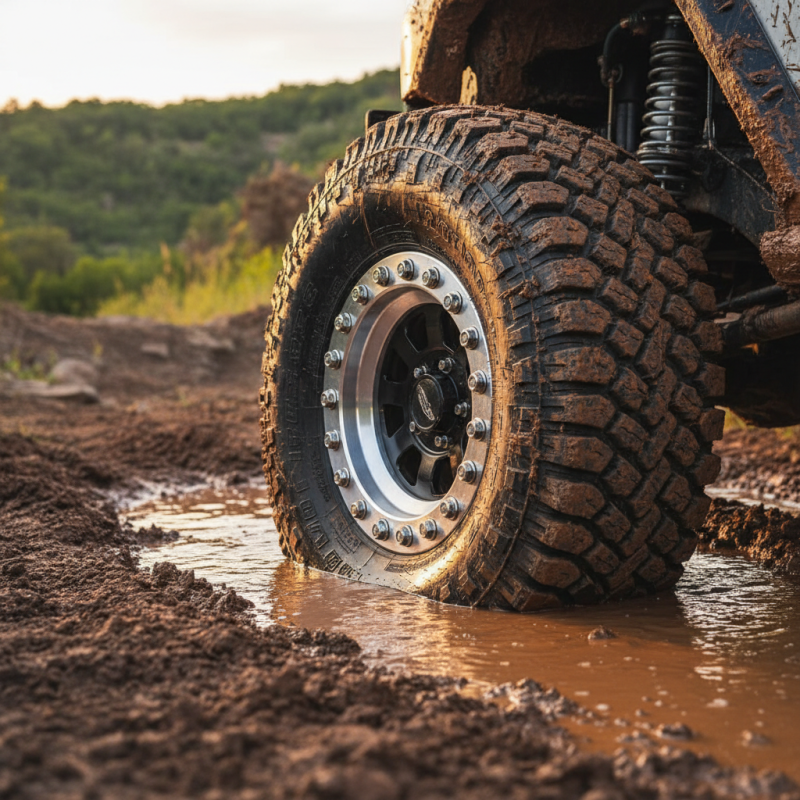
Beadlock wheels are a popular choice for off-road vehicles due to their unique design. They feature a ring that clamps the tire bead against the wheel's lip. This secure fit allows for lower tire pressure. Drivers can confidently tackle rocky terrain. Lower pressures provide better traction on various surfaces.
The functionality of beadlock wheels is critical in extreme conditions. When off-roading, tires can easily lose air, risking a tire blowout. Beadlocks prevent this by holding the tire bead firmly in place. This minimizes the chance of tire slip. Many enthusiasts hail beadlocks as essential for serious off-road adventures. However, they also add weight, which can be a downside.
Installation and maintenance can be tricky. Improper setup might lead to air leaks or tire damage. It's crucial to ensure correct torque settings during installation. As with all equipment, there is a learning curve. Some users may experience frustration at first. Understanding beadlock functionality is key, but practice will lead to improvement.
Tire pressure plays a crucial role in off-roading. Maintaining the correct pressure enhances traction, stability, and comfort. When tires are under-inflated, they can flex too much. This may lead to a higher risk of tire damage, which can ruin your adventure. Conversely, over-inflating can cause tires to bounce and lose grip on uneven surfaces.
Off-road conditions often vary greatly. Different terrains, like mud, sand, or rocks, require specific tire pressures. Lowering tire pressure increases the tire's footprint. This improves traction but also risks pinch flats. A careful balance is essential. Many enthusiasts recommend adjusting pressure based on terrain. However, making these adjustments requires experience and knowledge of your vehicle’s capabilities.
Experimenting with tire pressure is valuable. Every off-road situation is unique. What works in one scenario may fail in another. Keeping a tire pressure gauge handy can help. Regular checks promote reliability and safety. It's wise to note how changes affect performance. Learning through experience can lead to more enjoyable and successful off-roading adventures.
| Dimension | Description |
|---|---|
| Beadlock Wheels | Wheels designed to hold tires securely in place, crucial for off-road conditions. |
| Tire Pressure | The amount of air in the tire, affecting traction and performance on rough terrains. |
| Low Pressure Advantages | Increases the tire's footprint, improving grip and comfort over obstacles. |
| High Pressure Risks | Can lead to reduced traction, increased risk of punctures, and poorer ride quality. |
| Beadlock Benefits | Prevents tire separation from the rim during low-pressure use, enhancing safety. |
| Common Off-Road Conditions | Mud, sand, rocks, and uneven terrains that challenge tire performance. |
Beadlock wheels are crucial for off-road vehicles, enhancing their performance significantly. These specialized wheels use a unique design to secure the tire bead to the rim. This prevents tire slippage during challenging conditions like mud and rocky terrains. When driving through rough landscapes, maintaining tire pressure is vital. Beadlock wheels allow drivers to run lower tire pressures without the risk of losing the tire from the wheel.
Improved traction is another advantage. When tires are deflated, the increased surface area provides better grip on uneven surfaces. This allows for better maneuverability and control. Some might worry about the complexity of beadlock installations. They can be more challenging to manage compared to traditional wheels. However, the trade-off is often worth it for serious off-road enthusiasts seeking extreme performance.
While beadlock wheels are beneficial, they require careful maintenance. The locking mechanism must be regularly checked to ensure reliability. Neglecting these checks can lead to challenges during intense off-road adventures. Overall, beadlock wheels can transform the off-roading experience, allowing drivers to push their limits further.
When comparing beadlock wheels with standard wheels, there are notable differences in performance and design. Beadlock wheels are specially designed to secure the tire beads to the wheel rim, which prevents tire slippage during off-road use. This feature is crucial for maintaining control on rugged terrains. Standard wheels, while widely used, often rely solely on air pressure to keep the tires in place, which can be problematic in challenging environments.
Off-road vehicles face unique challenges that standard wheels may not withstand. Beadlock wheels allow for lower tire pressures without the risk of dismounting. This enhances traction and increases surface contact. However, the design can add weight and complexity. Not everyone can install them easily, and improper installation can lead to issues.
Tips: If you’re considering beadlock wheels, ensure you have proper tools for installation. Research local regulations, as beadlocks might not be street-legal in some areas. Regular maintenance is vital; check the bolts frequently for tightness to avoid performance issues.
Beadlock wheels are a hot topic in off-roading, yet many misconceptions cloud their reputation. One common belief is that beadlocks are mandatory for all off-road adventures. In reality, they are particularly beneficial in extreme conditions. Vehicles tackling steep climbs or navigating through deep mud can greatly benefit from the added security of a beadlock setup. This form of wheel design grips the tire bead firmly, allowing lower tire pressures without the risk of losing the bead.
Another misconception is that beadlock wheels are too heavy for regular off-road use. While it's true that they can be heavier than standard wheels, this added weight often translates into better durability and tire stability. Many off-road enthusiasts worry about the complexity of beadlock wheels. In practice, they require careful maintenance, but understanding their mechanism is easier than many realize. Regular inspections and proper assembly can help prevent issues and ensure peak performance.
Some enthusiasts also think that beadlocks will damage tires. When installed correctly, they do not cause harm. However, improper installation can lead to problems. It's crucial to follow proper guidelines while mounting tires on beadlock rims. This aspect highlights the need for knowledge and experience when using them in the off-road scenario. Awareness and preparation mitigate risks and enhance the overall benefit of beadlock wheels.
This chart illustrates the common reasons for using beadlock wheels in off-roading. Each reason is represented in terms of its importance, based on feedback from the off-roading community.
: Beadlock wheels have a ring that clamps the tire bead against the wheel's lip for a secure fit.
They allow lower tire pressures, improving traction on rocky terrains and minimizing tire slip.
Yes, they add weight and can complicate installation, leading to potential air leaks if done incorrectly.
Correct tire pressure is vital for traction, stability, and avoiding tire damage during off-road adventures.
Under-inflated tires can flex too much, while over-inflated tires can bounce and lose grip on uneven surfaces.
Yes, different terrains require specific pressures to optimize traction and performance.
Absolutely, every off-road situation varies; experimentation helps find the best setup for your vehicle.
Ensure you have proper tools, know torque settings, and check local regulations regarding their legality.
Regularly check the bolts for tightness to prevent performance issues and ensure safety on the road.
It's common to experience frustration; practice and understanding of the setup will lead to improvement.
Beadlock wheels are essential for off-road vehicles, primarily due to their ability to maintain tire pressure under extreme conditions. Understanding beadlock wheels and their functionality reveals how they secure the tire bead to the wheel, preventing unintentional tire slip during challenging terrains. This is crucial because maintaining optimal tire pressure directly affects traction and handling, which can significantly enhance off-road performance.
When considering "Why do off-road vehicles use beadlock wheels," it's clear that they provide advantages over standard wheels, particularly when it comes to lower tire pressures often used in off-roading. While there are common misconceptions about their safety and usage, beadlock wheels are favored by enthusiasts for their reliability and effectiveness in rugged environments. Overall, these wheels play a vital role in maximizing the capabilities of off-road vehicles, making them a preferred choice for serious adventurers.
Jersey Auto