Why You Should Learn How to Install a Tube in a Tubeless Tire?

Time:2026-05-19 Author:Charlotte
0%

In today's cycling world, the transition from traditional tires to tubeless systems has gained traction. According to a recent report by the Bicycle Product Suppliers Association, tubeless tires account for nearly 40% of the market share in mountain biking. However, understanding how to install a tube in a tubeless tire remains crucial for all cyclists.

Flat tires can occur unexpectedly, even with tubeless systems. A survey conducted by Cycling Weekly indicates that 25% of cyclists have experienced difficulties with tubeless setups. Having the knowledge to quickly adapt is key. Learning "how to install a tube in a tubeless tire" can save time and prevent frustration on the road or trail.

Moreover, being equipped with this skill enhances your confidence as a cyclist. While tubeless tires offer many benefits, they can be problematic. Not all riders are prepared for tubeless maintenance. A systematic approach to tire repair is essential for every cyclist. With the right guidance and practice, installing a tube can be straightforward and effective.
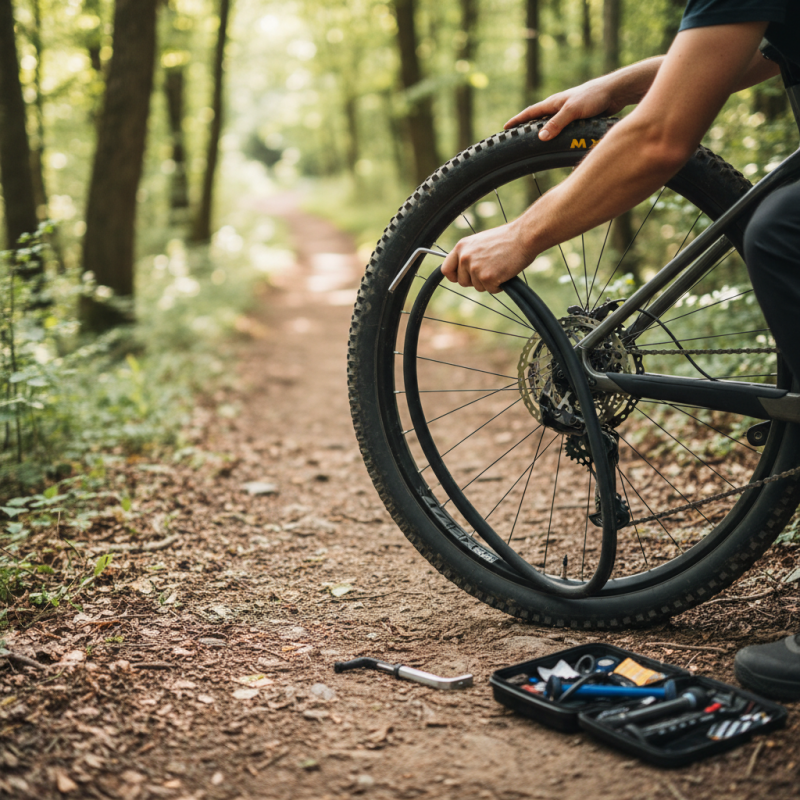
Why You Should Learn How to Install a Tube in a Tubeless Tire?

Understanding the Basics of Tubeless Tires

Understanding the basics of tubeless tires is essential for every cyclist. Tubeless tires offer several advantages over traditional tires. They are typically lighter and minimize the risk of pinch flats. A study by the Bicycle Manufacturers Association indicates that over 60% of road cyclists prefer tubeless systems.

Despite their benefits, tubeless tires can pose installation challenges. Many users struggle with sealing. Proper preparation is crucial for an effective seal. Research shows that about 30% of cyclists experience leakage issues within the first 200 miles. This highlights the importance of learning how to install a tube as a backup. Understanding the mechanics can elevate your cycling experience.

However, not all tubeless setups are perfect. Maintenance can be tedious. Regular inspections are necessary to prevent performance issues. A report from the International Cycling Forum notes that about 25% of riders fail to maintain their tubeless systems adequately, leading to potential hazards on the road. Investing time to learn installation and maintenance enhances safety and enjoyment in cycling.

Why You Should Learn How to Install a Tube in a Tubeless Tire? - Understanding the Basics of Tubeless Tires

Aspect Details
Benefits of Tubeless Tires Lower risk of flats, improved air retention, and lighter weight
Common Issues Sealant drying out, bead not seating properly, punctures
When to Install a Tube When the sealant fails, during a major puncture, or if tire repair is not possible
Tools Needed Tire levers, a pump, a tube, and possibly a patch kit
Installation Steps Remove tire, insert tube, reseat tire bead, inflate to recommended pressure
Maintenance Tips Regularly check tire pressure and inspect for damage

Advantages of Tubeless Tires Over Traditional Tires

Tubeless tires have gained popularity for several reasons. One of the main advantages is lower air loss compared to traditional tires. According to a report from the Tire Industry Association, tubeless tires can retain air pressure 30% better over time. This leads to improved performance and safety on the road. Drivers can enjoy a smoother ride without constant pressure checks.


Another significant benefit is reduced risk of punctures. Tubeless tires are designed to self-seal when punctured. A study published in the Journal of Wheel and Tire Engineering indicates that tubeless designs reduce flat tires by approximately 70%. This feature is essential for long drives and off-road adventures. Stability during harsh conditions is a crucial factor for many drivers.


Despite these benefits, there are challenges. Installing and maintaining tubeless tires requires specific skills. Some may struggle with the installation process, leading to improper sealing. It's vital to understand the techniques for a successful setup. Educating yourself on these aspects ensures you reap the full benefits of tubeless technology. Understanding your equipment is essential for a safer driving experience.

The Need for Installing a Tube in Tubeless Tires

Installing a tube in a tubeless tire can be a game changer. Many riders encounter situations where punctures render their tires unusable. While tubeless tires offer some advantages, they are not invincible. A small cut can lead to air loss, leaving you stranded. In these cases, knowing how to install a tube can save the day.

Imagine you’re in the middle of a ride. Suddenly, your rear tire flattens. Instead of panicking, you reach for a spare tube. You carefully remove the wheel and tire. A quick inspection reveals the cause of the flat. A sharp object has pierced through the tire. You could patch the tire, but that takes time. Installing a tube is faster and gets you back on the road sooner.

It’s essential to practice this skill. Many people overlook it in their maintenance routine. Not having this knowledge can lead to frustration during rides. Consider the potential moments of vulnerability. An unexpected flat tire can ruin a great day out. Gaining the confidence to fix your tire on the go is empowering. Each experience teaches you something new. The process might not always be perfect, but it’s worth the effort.

Step-by-Step Guide to Installing a Tube in a Tubeless Tire

Installing a tube in a tubeless tire can seem daunting. However, it is a valuable skill that every cyclist should learn. When faced with a puncture, being able to adapt can save your ride. This step-by-step guide will help you master this process.

Begin by removing the tire from the rim. Use tire levers if needed. Next, inspect the tire for damage. It's also important to clean any debris inside the rim. After that, insert the tube gently, ensuring it sits evenly. Inflate the tube slightly; this helps it settle into place. Finally, reattach the tire, making sure not to pinch the tube. Check for any bulges or kinks before fully inflating.

The process may require practice. Many struggle with ensuring the tube fits properly. Pay attention to the alignment and ensure the valve is straight. Learning from mistakes is crucial. Reflecting on each attempt increases your confidence. With persistence, you’ll enhance your skills in tire maintenance.

Common Mistakes to Avoid When Installing Tubes in Tubeless Tires

Installing a tube in a tubeless tire can be tricky. Many cyclists make common mistakes that can lead to frustration and ride failures. For instance, failing to fully clean the tire's interior can cause air leaks. According to a recent industry report, nearly 25% of tubeless tire installations result in air retention issues due to improper preparation.

One vital tip is to inspect the tire bead carefully. If the bead is damaged, sealing won’t work effectively. Ensure the tube matches the tire size. A mismatched tube can lead to pinch flats. Moreover, using too much sealant might seem advantageous but can complicate repairs later. Industry experts recommend using just enough to coat the interior without pooling.

When reinstalling the tire, check that the tube is not pinched. This oversight can cause immediate flats. Lastly, inflate the tire slowly and check for leaks. Be patient; rushing through these steps can lead to disappointment. Following these insights can make the tubeless experience more reliable and enjoyable.

FAQS

: Why should I learn to install a tube in a tubeless tire?

: Knowing how to install a tube can save your ride after a puncture.

What should I do first when faced with a flat tire?

Start by removing the tire from the rim carefully.

How can I check for damage after removing the tire?

Inspect the tire for sharp objects or cuts and clean the rim.

How do I properly insert the tube?

Insert the tube gently, ensuring it sits evenly without twists.

What is an essential step before reattaching the tire?

Inflate the tube slightly to help it settle into place.

How can I avoid pinching the tube during installation?

Be cautious when reattaching the tire and check for any bulges.

Will I get it right on the first try?

It’s normal to struggle at first; practice makes it easier.

Why is reflection on mistakes important?

Reflecting on each attempt helps build confidence and skills.

Can unexpected flats ruin my day?

Yes, but fixing a flat quickly can keep your ride enjoyable.

How does one gain confidence in tire maintenance?

Experience and learning from errors contribute to gaining confidence.

Conclusion

Learning how to install a tube in a tubeless tire is a valuable skill for any cyclist. Tubeless tires offer several advantages over traditional tires, such as improved puncture resistance and reduced weight. However, situations can arise where a tube may still be needed, for example, when a tire sustains significant damage that sealant alone can't handle.

The process of installing a tube in a tubeless tire involves several key steps, including removing the tire from the rim and carefully placing the tube inside without pinching it. It’s essential to watch for common mistakes, like not properly seating the tire on the rim, which can lead to further issues. By understanding these fundamentals, cyclists can confidently tackle tire repairs on their own, ensuring a smoother and safer ride.

Charlotte

Charlotte

Charlotte is a seasoned marketing professional with a deep understanding of the company's portfolio and a passion for elevating its presence in the market. With a keen eye for detail and a commitment to excellence, she ensures that our professional blog is regularly updated with insightful articles......