Identifying the material of a rim can be essential for vehicle owners. The choice between steel and aluminum affects weight, durability, and performance. Many drivers may wonder, "How to tell if a rim is steel or aluminum?" This seemingly simple question has implications for maintenance and upgrades.
Steel rims are generally heavier and may come with a more durable finish. On the other hand, aluminum rims are lighter and often more visually appealing. However, knowing the difference requires closer inspection and some basic knowledge. Look for specific traits like weight and surface texture. These details can provide clues about the rim's material.
Experience plays a key role in identifying rims. Some may find it challenging to distinguish between the two. Observing the rim closely can offer insights, but it's not always straightforward. Some rims are painted or coated, obscuring their true material. A few reliable techniques can help clarify this uncertainty and guide your choices effectively.
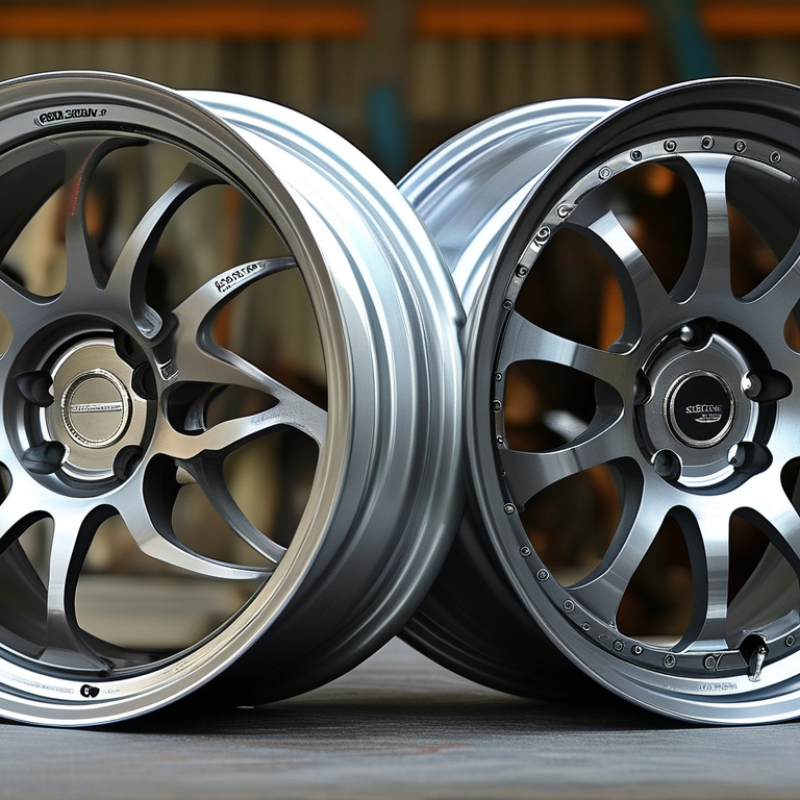
How to Identify If a Rim is Steel or Aluminum?
Identifying whether a rim is steel or aluminum can be straightforward if you know what to look for. Steel rims are generally heavier and have a thicker, more durable feel. Aluminum rims, on the other hand, are lighter and often have a shinier finish. You can perform a simple magnet test. If a magnet sticks, it’s likely steel. Aluminum does not attract magnets, providing a quick way to differentiate between the two materials.
Another approach involves examining the surface and structure. Aluminum rims often feature intricate designs and polished surfaces. Steel rims, in contrast, may have a more utilitarian appearance, often painted with a coat to prevent rust. One might notice pitting or rusting on steel rims over time, which hints at wear and tear. However, not all steel rims rust easily, and some aluminum rims can be scratched, making the visual indicators less reliable.
Checking for weight is also a practical method. Lift the rim and feel its heft. A heavier rim likely indicates steel, while a lighter one suggests aluminum. Remember, these methods may not be foolproof. Some rims could be coated or constructed uniquely, making them harder to classify. Always approach with curiosity, and learn from each identification attempt.
Visual Inspection of Rim Design and Finish
When inspecting a rim, the design and finish are crucial indicators of its material. Steel rims often have a more utilitarian look. They may appear heavier and more basic in design. You might notice a rougher paint finish on steel. In contrast, aluminum rims come in various intricate designs, showcasing smoother curves and polished surfaces. They often have a more refined aesthetic that appeals to car enthusiasts.
Examining the weight can also provide clues. Aluminum rims are generally lighter than steel, which makes them easier to handle. Visual cues play a significant role in identification. Look for any signs of corrosion; steel may show rust spots, while aluminum is less prone but can tarnish. Depth and detail in the finish are often greater in aluminum designs. Sometimes, aluminum rims will feature unique patterns that are hard to replicate in steel.
One thing to consider is that manufacturing inconsistencies can blur the lines. A poorly finished aluminum rim might resemble steel, especially if not well-maintained. It's essential to look closely and ensure you are not misled by superficial attributes. Relying solely on a visual assessment can be tricky, and mistakes can happen, especially if you’re not familiar with the intricacies of rim designs.
Checking for Weight Differences Between Steel and Aluminum Rims
When determining the material of a rim, weight is a key indicator. Generally, aluminum rims weigh less than their steel counterparts. For instance, steel rims can weigh between 15 to 20 pounds, while typical aluminum rims range from 10 to 15 pounds. This weight difference can be significant, especially for performance vehicles where every pound counts.
Rims made from aluminum often have a slightly different density, making them feel lighter when lifted. This distinction is crucial for automotive enthusiasts looking to improve fuel efficiency or handling. Additionally, a report from the Tire and Rim Association highlights that aluminum rims are increasingly preferred in many sectors for their improved strength-to-weight ratio. However, the average consumer might overlook this detail, focusing instead on aesthetics or cost.
Careful inspection can reveal more than just weight. A visual check for surface characteristics can also help. Aluminum rims typically have a smoother finish compared to the matte appearance of many steel rims. Understanding these differences enhances vehicle performance and safety. Identifying the rim type helps in choosing suitable tires, impacting both driving experience and maintenance costs.
Weight Comparison of Steel vs Aluminum Rims
Examining Rim Material Properties: Magnetism and Conductivity
When determining whether a rim is made of steel or aluminum, magnetism and conductivity serve as essential identifiers. Steel rims usually contain iron, which makes them magnetic. On the other hand, aluminum rims lack iron, resulting in a non-magnetic property. A simple magnet test can quickly reveal this difference. Reports from industry studies show that about 70% of steel rims attract magnets, while aluminum rims do not.
Conductivity presents another discernible factor between the two materials. Aluminum is known for its excellent electrical and thermal conductivity, while steel is a poorer conductor. Using a multimeter can help confirm conductivity levels. For instance, aluminum exhibits a conductivity level of around 37 million siemens per meter, while mild steel is typically at about 10 million siemens per meter. This contrast can guide you in material identification.
Consider the rim's weight too. Aluminum is significantly lighter than steel, making it more favorable for performance. However, while aluminum's lightweight nature is an advantage, it can be less durable under certain conditions. Users should reflect on these properties to make informed decisions, as both materials have unique benefits and drawbacks that influence their application in automotive design.
Identifying Rim Markings and Manufacturer Information
When trying to determine whether a rim is made of steel or aluminum, examining the rim markings and manufacturer information is essential. Commonly, aluminum rims bear specific markings indicating alloy types or weight categories. For example, they may have a “6061” or “7075” stamped on them, referring to their aluminum alloy composition. These numbers are vital as they relate to the rim's durability and performance, with 6061 commonly used for its balance between strength and weight.
Steel rims, on the other hand, tend to have fewer markings. They often display a basic size and load rating. Reports show that around 70% of steel rims are heavier than aluminum options. This weight can be an indicator, but it is not a sole factor in identification. Manufacturers may provide additional information through stamped logos or tags that detail the rim's specifications. Knowing where to look for these identifiers can save time and ensure accurate identification.
Professional studies suggest that incorrect identification can lead to compatibility issues with tires, significantly affecting vehicle performance. It is essential to be aware that while markings can guide identification, they may not always be clear or consistent across different manufacturers. Users often face confusion due to similar designs and inconsistent placement of markings, which underscores the importance of thorough inspection.
Using a Chemical Test for Material Verification
Identifying whether a rim is made of steel or aluminum can be tricky without the right tools. A practical method involves a simple chemical test. This test can quickly verify the material type, ensuring accuracy for your automotive needs.
To conduct the chemical test, you need items like a drop of hydrochloric acid. When applied to the rim surface, the reaction plays a crucial role. Aluminum will fizz, producing bubbles, while steel remains unaffected. This simple reaction reveals essential information about the rim's composition. Remember, safety is paramount. Always wear gloves and make sure to work in a well-ventilated area.
Performing this test isn't foolproof. Some rims may have protective coatings, affecting the outcome. Regular practice improves confidence in identifying materials. Inconsistent results can lead to doubts about the method's reliability. It’s essential to document your procedures and findings. Over time, you’ll gain a clearer understanding of how to distinguish between steel and aluminum rims using this effective technique.
How to Identify If a Rim is Steel or Aluminum? - Using a Chemical Test for Material Verification
| Test Method |
Material Type |
Chemical Reactivity |
Weight Comparison (example) |
Cost (estimate) |
| Magnetic Test |
Steel |
Attracted to magnets |
Heavier per unit size |
$50 - $100 |
| Density Test |
Aluminum |
Not attracted to magnets |
Lighter than steel |
$100 - $200 |
| Chemical Reaction Test |
Aluminum |
Fizzing when in contact with acid |
Generally lighter |
$100 - $250 |
| Visual Inspection |
Both |
Witnessed through finish |
Varies |
N/A |
FAQS
: Check the weight. Aluminum rims are generally lighter than steel rims.
Steel rims weigh about 15 to 20 pounds, while aluminum rims weigh around 10 to 15 pounds.
Weight affects vehicle performance, fuel efficiency, and handling. Every pound counts for performance vehicles.
Aluminum rims typically have a smoother finish, while steel rims often appear matte and rough.
Yes, using hydrochloric acid can help. Aluminum fizzes; steel remains unchanged.
Wear gloves and work in a well-ventilated area to ensure safety during the test.
Coatings can affect test results, making it hard to identify the material accurately.
Regular practice will help you recognize different rims better. Document your findings for reference.
Some results may be inconsistent, leading to uncertainty about the method's reliability.
Consider weight, material, finish, and how they impact performance and costs.
Conclusion
When trying to determine how to tell if a rim is steel or aluminum, several methods can be employed. First, a visual inspection of the rim's design and finish can provide initial clues, as aluminum rims often feature a more polished appearance. Next, checking the weight difference is essential, since aluminum rims are generally lighter than their steel counterparts.
Additionally, examining material properties such as magnetism can be helpful—steel rims are magnetic, while aluminum is not. Identifying any markings or manufacturer information on the rim can also offer insights regarding its material composition. Finally, if further verification is needed, a chemical test can be conducted to confirm the rim's material. These steps provide a comprehensive approach to effectively distinguish between steel and aluminum rims.

 Jersey Auto