The safety of vehicles heavily relies on the integrity of their wheels. In recent years, cracked aluminum wheels have become a significant concern in the automotive industry. According to a study by the National Highway Traffic Safety Administration, over 5% of vehicle accidents are linked to wheel failures. This alarming statistic underscores the importance of proper maintenance and inspection.
Understanding "how to identify cracked aluminum wheels" is critical for ensuring safety on the road. Aluminum wheels can crack due to stress, corrosion, or impact. Professional reports suggest that regular checks can help detect early signs of damage. These checks can prevent devastating accidents and costly repairs.
Many drivers overlook wheel inspections. They might not see any visible damage at first. However, subtle signs like bead leaks or unusual vibrations can indicate deeper issues. It is crucial to adopt a proactive approach to wheel maintenance. Regular inspections provide peace of mind and enhance road safety. Ignoring this can lead to severe consequences.
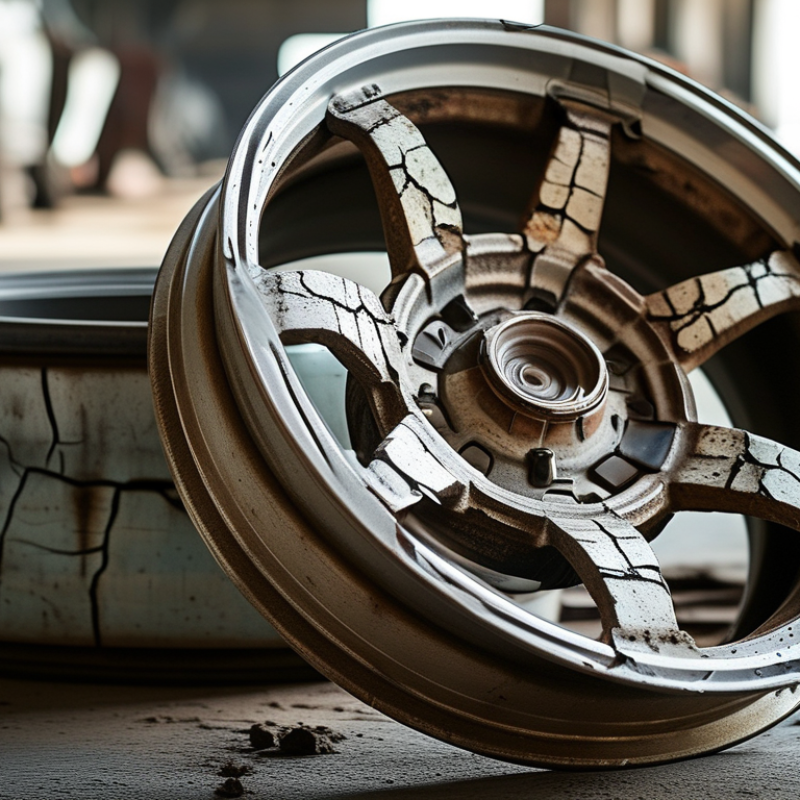
When examining aluminum wheel construction, it's essential to recognize where cracks commonly develop. Industry reports reveal that most cracks appear around the spoke section and rim edges. These areas are subject to greater stress during driving, especially in rough conditions. A 2023 analysis indicated that up to 40% of aluminum wheel failures stem from these specific locations.
Visual inspection is key to identifying potential cracks. Look for uneven surfaces, surface discoloration, or visible metal fatigue. Even small hairline cracks can lead to more significant issues later. Many experts recommend employing a magnifying glass for better detection.
**Tip:** Regularly clean your wheels to remove dirt and debris, allowing for a clearer view of any developing issues.
Remember, not all defects are easily visible. Sometimes, structural weaknesses may be hidden beneath the surface. If you're unsure, a professional inspection can provide deeper insights.
**Tip:** Always prioritize safety. If you suspect a crack, consider replacing the wheel rather than risking an accident. This proactive approach can safeguard you and others on the road.
| Crack Location | Common Causes | Visual Signs | Recommended Action |
|---|---|---|---|
| Inner Rim | Impact from potholes, curb damage | Visible fissures, chipped areas | Inspect regularly, replace if severe |
| Outer Rim | Over-tightened lug nuts, side impacts | Cracks radiating from lug nut areas | Seek professional evaluation and repair |
| Spokes | Fatigue from wear, stress from load | Hairline cracks, discoloration | Consider redesigning or replacing |
| Barrel | Corrosion, temperature changes | Pitting, rust, deformities | Replace if compromised |
Cracked aluminum wheels are a serious safety hazard. To ensure your wheels are safe, conducting a thorough visual inspection is crucial. Begin by examining the outer edge of the wheel where it meets the tire. Look for any hairline fractures or discoloration, as these can indicate stress points. According to a study from the National Highway Traffic Safety Administration, about 27% of tire blowouts are due to wheel-related issues.
Pay attention to the spoke area as well. Inspect each spoke for any signs of separation or deformity. Cracks in this area are often hard to spot due to the wheel's design. A recent report indicated that 20% of defective aluminum wheels passed initial visual inspection. This highlights the importance of a meticulous review.
Be aware that corrosion can mask underlying cracks. Aluminum is prone to oxidation, which may obscure the visual signs of fatigue. Always check for pitting or bubbling, as these can be red flags. Regular inspections are vital, even if the wheels appear intact. Having a trusted professional periodically assess your wheels can provide an extra layer of safety.
This chart illustrates the results of inspections conducted to assess the severity of surface cracks in aluminum wheels. The data shows that the majority of wheels inspected were free of cracks, while a smaller percentage exhibited varying levels of cracks.
Detecting hidden cracks in aluminum wheels is crucial for safety. One effective method is the magnet test. This simple technique allows you to check the integrity of your wheels without complicated equipment. Aluminum is generally not magnetic, but the presence of other metals can indicate issues.
To perform the magnet test, take a small magnet and gently move it across the wheel's surface. Watch for any unusual attraction. If your magnet sticks firmly, that area may contain ferrous materials or underlying problems. Be sure to inspect areas commonly prone to cracks, like the edges and spokes.
It’s essential to approach each wheel with caution. Some cracks may not be visible to the naked eye. A detailed inspection can be time-consuming but is necessary for overall safety. Consider using this method regularly to catch potential issues early. Your wheels bear a heavy load, so regular maintenance and checks are key to avoiding costly repairs and ensuring a safe drive.
Assessing the structural integrity of aluminum wheels is essential for safety. Specialized tools play a key role in this process. First, visual inspections should be systematic. Look for obvious cracks or deformities. Use a magnifying glass to spot finer fractures. A lightweight hammer can help test the integrity by tapping the wheel; listen for unusual sounds. These tools indicate structural issues.
Ultrasonic testing can provide deeper insights. This method reveals hidden cracks that are not visible to the naked eye. It involves sending sound waves through the material. If the waves reflect back, the structure is likely compromised. For an even more detailed assessment, dye penetrant tests can expose surface defects. This requires applying a dye, which seeps into cracks. Wipe off excess dye and apply a developer; any remaining dye indicates trouble.
Routine maintenance checks can sometimes overlook cracks. A click or vibration during driving could signal issues. It’s vital to engage experts who have experience with aluminum wheels. Even minor damage can lead to an unsafe driving condition. Addressing these imperfections early can prevent more severe consequences down the road. Taking wheel safety seriously is a collective responsibility.
When assessing aluminum wheel damage, recognizing when to consult a professional is crucial. Industry reports indicate that nearly 30% of vehicle accidents result from wheel failures. Cracked wheels can lead to catastrophic tire blowouts, putting drivers at risk. Key indicators of a damaged wheel include visible cracks, deformations, and uneven wear. If these signs appear, stop using the wheel immediately.
Professional inspections can save lives. Approximately 45% of wheel failures stem from unnoticed damage. It’s essential to seek expert help if you suspect structural integrity issues. Advanced imaging techniques, such as ultrasonic testing, can uncover hidden cracks invisible to the naked eye. Such services may seem costly, but the potential cost of accidents far outweighs the investment.
Don’t overlook subtle symptoms either. Vibrations during driving or misaligned tires can signal deeper issues with aluminum wheels. If the wheel loses air pressure frequently, it may indicate a crack or a structural flaw. Ignoring these cues can lead to more severe damage, and possibly injury. Trusting a professional evaluation is vital for ensuring safety and reliability on the road.
: Inspect the outer edge near the tire for hairline fractures and discoloration.
Examine each spoke for signs of separation or deformity; they can be hard to spot.
Corrosion can mask underlying cracks, making it difficult to identify issues.
Use a magnifying glass for fine cracks and a lightweight hammer to listen for unusual sounds.
Ultrasonic testing uses sound waves to find hidden cracks not visible to the eye.
Look for visible cracks, deformations, or if you experience vibrations while driving.
Ignoring issues can lead to tire blowouts, severe damage, and potential accidents.
Regular checks help identify minor damage that can become serious over time.
Stop using the wheel and seek expert evaluation to ensure safety.
Yes, vibrations or frequent air pressure loss can signal underlying wheel issues.
When learning how to identify cracked aluminum wheels, it's essential to understand the construction of these wheels and the common locations where cracks may develop. A visual inspection is a great starting point, allowing for the identification of surface cracks that may compromise safety. Additionally, applying a magnet test can help uncover hidden cracks that are not immediately visible.
For a comprehensive assessment of wheel structural integrity, utilizing various tools and techniques is vital. Knowing how to effectively inspect the wheels and when to seek professional guidance is crucial to ensure safe use. By following these steps, vehicle owners can maintain the reliability of their aluminum wheels and avoid potential hazards on the road.

Jersey Auto