Why is My Wheel Rim Getting Hot While Driving Best Solutions?

Time:2026-06-01 Author:Sophia
0%

As you drive, you may ask yourself, "Why is my wheel rim getting hot while driving?" This common concern can stem from several factors. Overheating wheel rims can indicate underlying issues that require attention. Understanding the causes is crucial for your vehicle's safety and performance.

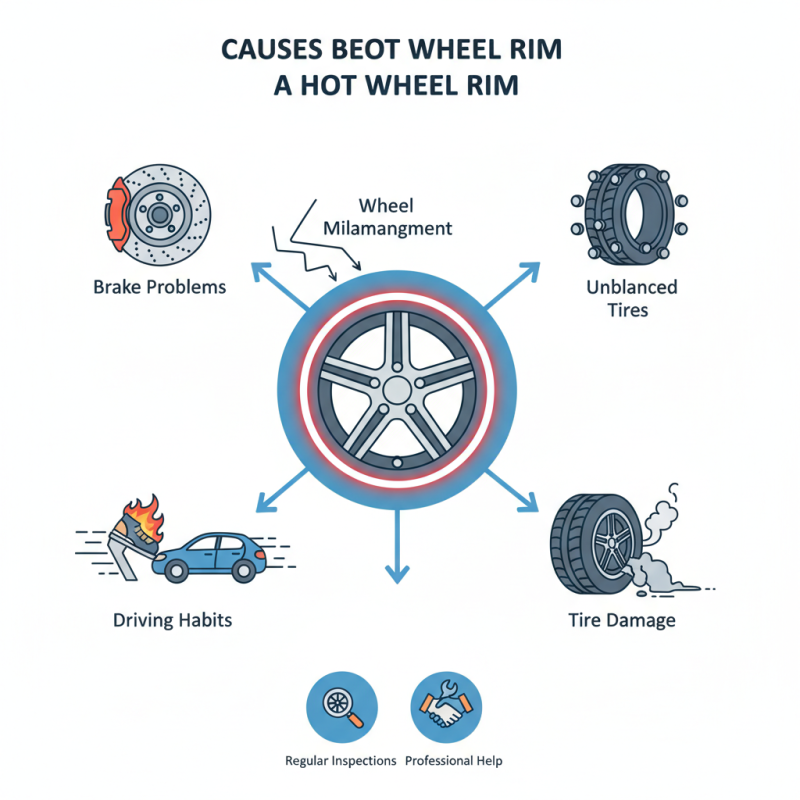
When wheel rims become excessively hot, it often results from brake problems, wheel misalignment, or unbalanced tires. Brake pads can wear out, causing friction and heat build-up. Additionally, driving habits play a role. Frequent hard braking or aggressive cornering can lead to overheating. It's essential to recognize these patterns to prevent further damage.

In some cases, the severity of the heat may surprise you. A hot rim can affect not only the wheel but also tires. These details can be easy to overlook. Ignoring them may result in costly repairs. Regular inspections and maintenance can help identify issues early on. Engaging with a professional can provide clarity and peace of mind. Ultimately, understanding the reasons behind this hot sensation can guide you toward effective solutions.
Why is My Wheel Rim Getting Hot While Driving Best Solutions?

Understanding the Causes of Hot Wheel Rims During Driving

Experiencing hot wheel rims while driving can be alarming. Various factors contribute to this phenomenon. One primary cause is brake issues. If your brakes drag or are misaligned, excessive friction generates heat. This can lead to severe brake problems if not addressed quickly.

Another reason could be wheel bearing failures. When bearings wear out, they create increased resistance. This friction generates heat and can affect handling. Regular inspections of your vehicle can identify these issues early.

Tire problems also play a role. Under-inflated or damaged tires can cause increased heat due to rolling resistance. Pay attention to your tire pressure and condition. Examine for bulges or cuts. Routine maintenance is crucial for avoiding these complications. Ignoring these signs often leads to further damage or dangerous driving situations. It's essential to remain vigilant and proactive for your safety.

Common Symptoms of Overheating Wheel Rims to Watch For

When driving, if you notice your wheel rims getting hot, it is essential to be aware of the common symptoms of overheating. One significant indicator is a burning smell. This could suggest that the brake pads or components are malfunctioning, leading to excess heat. If you experience a decrease in braking performance, it may also point toward overheating wheel rims. Drivers often describe a spongy or unresponsive brake pedal in such cases.

Another symptom to observe is unusual vibration or noise from the wheels. This might indicate that the rims are warped due to heat. You may hear grinding or squeaking sounds, which can be alarming. If you feel a pulsating sensation in the steering wheel during braking, it’s vital to check the wheel rims. Ignoring these signs may lead to more severe issues, including tire damage or brake failure.

Keep an eye on the temperature of your rims after a long drive. If they are excessively hot to the touch, there is a problem. Regular maintenance is key to preventing such issues. It’s advisable to consult with a trusted mechanic if you notice any of these symptoms. Remember, proactive care can prevent dangerous situations on the road.

Evaluating Your Braking System's Impact on Wheel Rim Temperature

When driving, a hot wheel rim can signal a problem. Often, this is linked to the braking system's efficiency. According to a study by the Society of Automotive Engineers, excessive heat can reduce braking performance by up to 30%. Brake components generate heat during operation, but if they malfunction or wear down, they exacerbate the issue. This often leads to a rapid increase in wheel rim temperatures.

Regularly inspect your brake pads and rotors. Worn or damaged pads can cause friction buildup. This friction generates more heat, raising rim temperatures. Overheating can lead to brake fade, diminishing your car's stopping power. Additionally, check the brake fluid level; low fluid can cause overheating, too.

When experiencing hot wheel rims, remember this tip: allow your brakes to cool down after strenuous driving. Stop periodically on long drives. If the heat persists, consult a professional. Improper braking system maintenance is a common oversight. It's essential to evaluate the entire system. Be proactive; your safety depends on it.

Preventive Maintenance Tips to Avoid Overheating Rims

Overheating wheel rims can lead to serious vehicle issues. Understanding preventive maintenance is essential for every driver. Regular checks can prevent overheating.

Keep an eye on your tire pressure. Under-inflated tires can cause excessive friction. This heat can transfer to the rims. Ensure tires are inflated according to specifications. Adjusting pressure is a simple yet effective step.

Another area to consider is brake health. Worn-out brake pads create heat during friction. Inspecting them regularly can prevent heat build-up. If your brakes feel unresponsive, it’s time for a check-up. Don't ignore unusual sounds or vibrations. They might indicate underlying problems.

Lastly, keep your rims clean. Dirt and debris can trap heat. Regular cleaning helps in maintaining proper airflow. This simple task can make a significant difference. A clean rim reduces the risk of overheating while enhancing overall safety.

When to Seek Professional Help for Hot Wheel Rims

Overheating wheel rims can indicate serious issues. It’s crucial to monitor any unusual heat. High temperatures can stem from brake problems, or poor wheel alignment. According to the National Highway Traffic Safety Administration, brake failures contribute to nearly 30% of vehicle accidents. If you notice significant heat, urge to assess the situation promptly.

Professional help becomes essential when wheel rims heat excessively. It often points to worn brake pads, failing calipers, or even bearing issues. An expert can check the entire braking system. Data from the Automotive Service Association highlights that 60% of brake-related failures occur due to lack of maintenance. Ignoring warning signs can lead to costly repairs or accidents.

Regular inspections can prevent overheating issues. However, when rims start to radiate abnormal heat, trust your instincts. Seek out professionals who can diagnose and resolve underlying problems. Don't risk your safety due to a simple oversight. Your vehicle’s health depends on timely interventions.

Why is My Wheel Rim Getting Hot While Driving? Common Causes

This chart illustrates the common causes of temperature increases in wheel rims while driving. It highlights factors such as braking, wheel misalignment, underinflated tires, excessive load, and brake pad issues. Understanding these factors can help drivers identify potential problems and determine when to seek professional help.

FAQS

: What are the common signs that wheel rims are overheating?

: Look for a burning smell or decrease in braking performance.

What might a spongy brake pedal indicate?

It could signify overheating wheel rims or brake malfunction.

Why is unusual vibration or noise from wheels concerning?

This may indicate warped rims due to excess heat.

How can I tell if my wheel rims are too hot?

If the rims are excessively hot to touch after driving, there is a problem.

When should I consult a mechanic about my wheel rims?

Consult a mechanic if you notice any overheating symptoms or odd noises.

What is a potential cause of overheated wheel rims?

Worn brake pads or poor wheel alignment can lead to excessive heat.

How can regular maintenance help prevent overheating?

Regular checks can identify issues before they cause severe overheating.

Are there risks in ignoring the signs of overheating?

Yes, ignoring signs can lead to brake failure or costly repairs.

What should I do if I feel abnormal heat from my wheels?

Trust your instincts and seek professional help immediately.

What percentage of vehicle accidents are due to brake failures?

Brake failures contribute to nearly 30% of vehicle accidents.

Conclusion

If you're wondering, "Why is my wheel rim getting hot while driving," it's essential to understand the various factors that can contribute to this issue. Overheating wheel rims are often caused by excessive friction due to braking, issues with the wheel bearings, or improper tire inflation. Common symptoms to watch for include a noticeable heat radiating from the rims, vibration in the steering wheel, or unusual noises while driving.

To help mitigate the risk of overheating, regular maintenance of your braking system and tires is crucial. Ensuring your brakes are functioning correctly and maintaining proper tire pressure can significantly reduce the chances of rim overheating. If you notice persistent heat or other concerning symptoms, seeking professional help is recommended to diagnose and address the underlying issues effectively.

Sophia

Sophia

Sophia is a dedicated marketing professional with an exceptional depth of knowledge about her company's products and services. With a keen understanding of market trends and customer needs, she crafts insightful blog posts that not only inform but also engage readers, enriching the company’s online......