When it comes to wheels, enthusiasts often debate, "What is the difference between forged and cast wheels?" Understanding this difference is crucial for performance and safety. John Doe, an expert in automotive engineering, states, "The choice between forged and cast can significantly impact your vehicle's handling."
Forged wheels are made from a single piece of alloy, resulting in superior strength and lighter weight. They can withstand high stress better than cast wheels. However, they tend to be more expensive. On the other hand, cast wheels are produced by pouring molten metal into a mold. They are generally heavier but come at a lower price point.
One factor to consider is durability. Forged wheels have a better track record for longevity. Yet, some users might find the aesthetic appeal of cast wheels more to their liking. Each type has its pros and cons. Ultimately, the right choice depends on individual preferences and budget constraints.
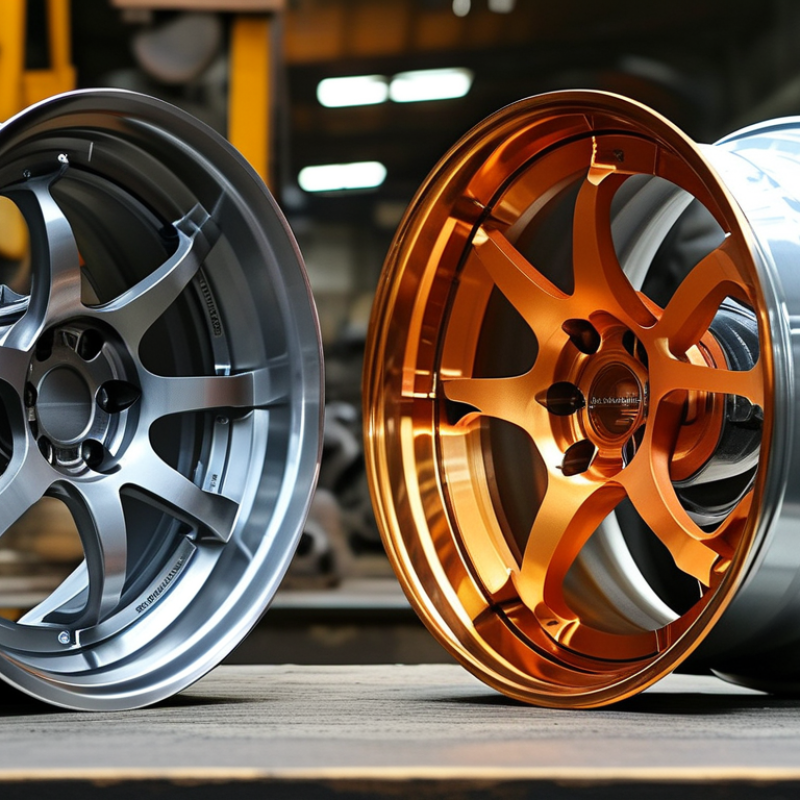
Differences in Manufacturing Processes for Wheels
Forged and cast wheels are made using different manufacturing processes, each with unique characteristics. Forged wheels are created by shaping solid metal under high pressure. This process aligns the metal’s grain structure, enhancing durability and strength. They tend to be lighter and more impact-resistant than their cast counterparts.
In contrast, cast wheels are made by pouring molten metal into a mold. This method allows for more intricate designs but often results in slightly lower strength compared to forging. Cast wheels can be heavier, making them less ideal for high-performance applications.
**Tip:** When choosing wheels, consider your driving style and environment. Forged wheels could be a better choice for racing or rugged terrains. However, cast wheels may suit daily driving and aesthetic preferences.
Choosing between forged and cast wheels can lead to reflection on your needs. Think about the balance between cost and performance. Forged wheels generally come with a higher price tag but offer better performance and longevity. Cast wheels might be more economical, yet may require more frequent replacement if performance is a priority.
**Tip:** Research and consult with professionals in the industry to ensure you choose wisely. This includes understanding weight, cost, and purpose. Investing in the right wheels pays off in the long run.
Material Composition: Forged vs. Cast Wheels
When it comes to wheels, material composition is a crucial factor. Forged and cast wheels differ significantly in how they are made and their resulting properties. Forged wheels are created by compressing heated aluminum, causing the material to grain and strengthen. This process results in a structure that can withstand immense stress. According to the Society of Automotive Engineers, forged aluminum wheels can be up to 20-30% stronger than their cast counterparts.
On the other hand, cast wheels are produced by pouring molten aluminum into a mold. This method is less expensive and allows for more intricate designs. However, cast wheels tend to have a more porous structure. Reports indicate that they may absorb more impact than forged wheels, leading to issues like cracking and bending. The International Journal of Impact Engineering discusses how this porosity can compromise performance, especially in high-demand scenarios.
Material compositions play a critical role in these differences. Forged wheels typically use 6061-T6 aluminum alloy, known for its high strength and workability. Cast wheels often use A356 aluminum alloy, which provides good casting properties but is less robust. Industry studies suggest that while forged wheels offer superior performance, they can be cost-prohibitive for some consumers. Understanding these material differences can guide informed choices based on performance needs and budget constraints.
Strength and Performance Comparisons
When comparing forged and cast wheels, the difference in strength and performance is stark. Forged wheels are created by applying immense pressure to a solid piece of metal. This process aligns the metal's grain structure, enhancing its strength significantly. As a result, forged wheels can handle greater loads and resist bending under stress.
In contrast, cast wheels are made by pouring molten metal into a mold. While cost-effective, this method can lead to air pockets and inconsistencies. These issues often result in a wheel that is heavier and more prone to cracking. The performance may suffer, especially in high-speed scenarios or demanding conditions. Drivers seeking enhanced performance might find themselves questioning the reliability of cast wheels in long-term usage.
Both types offer unique benefits. Forged wheels are preferred for performance vehicles. The weight savings can improve handling and acceleration. Yet, forged wheels come with a higher price tag. Some enthusiasts may hesitate, thinking about budget constraints. Ultimately, understanding these differences is crucial for making informed decisions in wheel selection.
Weight and Aesthetics in Wheel Design
When comparing forged and cast wheels, aesthetics play a significant role in the decision-making process. Forged wheels are often more visually appealing due to their sleek designs and variety of finishes. Their production process allows for better detail and intricate shapes. In contrast, cast wheels may lack the same level of finesse but can still offer attractive options.
Weight is another crucial factor. Forged wheels are generally lighter, contributing to improved performance and handling. This enhances driving dynamics, especially in high-performance vehicles. Cast wheels tend to be heavier but are often more affordable, making them a popular choice for everyday vehicles.
Tip: Consider your vehicle's needs when selecting wheels. If you prioritize performance and aesthetics, forged may be the way to go. However, if budget constraints are a concern, cast wheels offer solid options.
It's essential to reflect on the trade-offs. Forged wheels might be more expensive, but their longevity can make them worth the investment. Balance your preferences with practical considerations for the best outcome.
Cost Considerations and Market Availability
When considering forged and cast wheels, cost is a significant factor. Forged wheels are generally more expensive due to their manufacturing process. They are created under high pressure, leading to increased strength and reduced weight. This quality, however, comes with a price tag that might not fit everyone's budget. On the other hand, cast wheels are easier to produce and often come at a lower cost. Their production involves pouring molten metal into a mold. This process can mass-produce wheels efficiently, making them more accessible.
Market availability varies between these two types of wheels. Forged wheels may be harder to find since they are typically custom-made. Enthusiasts often prefer them for performance and aesthetics. Nevertheless, some might hesitate because of their limited availability and higher prices. Cast wheels dominate the market due to their affordability and wide range of styles. Buyers often find plenty of options in local shops and online. However, the trade-off is potentially compromised performance for those who demand the best from their vehicles. Ultimately, these choices reflect personal priorities and driving needs.
What is the Difference Between Forged and Cast Wheels? - Cost Considerations and Market Availability
| Wheel Type |
Weight (lbs) |
Durability |
Cost ($) |
Market Availability |
| Forged |
15-20 |
High |
300-1000 |
Widely Available |
| Cast |
20-25 |
Moderate |
100-500 |
Abundant |
FAQS
: Forged wheels are made by compressing heated aluminum, while cast wheels are created by pouring molten aluminum into a mold.
Forged wheels are 20-30% stronger than cast wheels due to their compressed structure, enhancing their ability to withstand stress.
Cast wheels are cheaper to produce, as they allow for intricate designs but sacrifice some strength and durability.
Forged wheels typically use 6061-T6 aluminum alloy, known for its high strength and workability.
Yes, cast wheels tend to have a porous structure that can absorb impact, making them more prone to cracking and bending.
Forged wheels generally offer sleeker designs and more finish options than cast wheels, creating a visually appealing look.
Forged wheels are lighter and can improve handling, while heavy cast wheels might compromise performance, especially in demanding conditions.
It depends on your needs. Forged wheels offer better performance but are more expensive, while cast wheels are budget-friendly and solid for everyday use.
Yes, forged wheels may be pricier, but their durability can make them a worthwhile investment over time.
Reflect on your vehicle's performance needs, aesthetic preferences, and budget constraints to make an informed choice.
Conclusion
When exploring the question, "What is the difference between forged and cast wheels," it's essential to understand the distinct manufacturing processes involved. Forged wheels are created through a process that involves shaping a solid piece of metal under high pressure, resulting in a denser and stronger material. In contrast, cast wheels are made by pouring molten metal into a mold, which can lead to variations in strength and structure. This difference in manufacturing directly affects the material composition, strength, and performance of the wheels.
Moreover, forged wheels generally offer superior strength-to-weight ratios and enhanced performance characteristics, while cast wheels may be heavier and less durable but often come at a more affordable price point. Aesthetically, both types can be designed in various styles, catering to different consumer preferences. Ultimately, factors like cost, performance requirements, and design preferences play crucial roles in the decision-making process regarding wheel selection.

 Jersey Auto