Choosing the right rim width for your tires is essential for optimal performance. According to tire expert James White, “A well-matched rim width can enhance traction and fuel efficiency.” However, many enthusiasts often overlook this critical component. The right fit ensures not just safety, but also improves handling in various conditions.
When considering how to choose the right rim width for your tires, you should think about your driving style and typical terrain. A wider rim may provide better stability at high speeds. Conversely, a narrower rim can improve cornering agility. This decision can greatly influence your tire's contact patch with the road.
Understanding rim width can feel overwhelming. In an industry full of technical jargon, finding clarity is crucial. Remember, each vehicle has a specified rim width range for optimal tire fit. Do not take this lightly; your choice affects ride quality, wear, and overall driving experience. Reflect on your needs and consider the expert advice available.
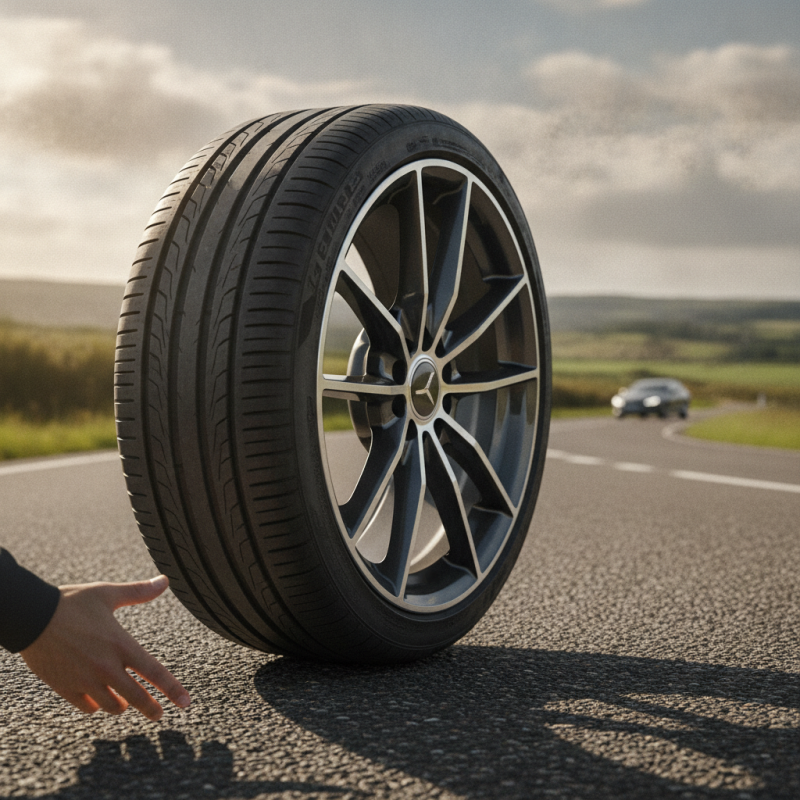
When selecting the right rim width for your tires, understanding compatibility is vital. Rim width directly affects how well your tires perform. According to a report from the Tire and Rim Association, improper sizing can lead to poor handling and increased wear. Thus, knowing the correct dimensions is essential for safety and performance.
The width of the rim must align with the tire’s specifications. Most experts recommend a rim width that falls within a specific range, typically found in the tire's sidewall. For example, a tire marked as 225/40-18 is best suited to a rim width between 7 and 9 inches. This ensures proper tire seating and optimal contact with the road.
Tip: Always cross-reference tire and rim specifications. Double-checking prevents misalignment and can save money on replacements.
Drivers should also consider the type of driving they do. For example, aggressive driving requires a wider rim for improved stability, while daily commuting may allow for narrower options. Remember, tire pressure also plays a role in how the tire interacts with the rim. Insufficient pressure can lead to tire damage and loss of control.
Tip: Regularly check your tire pressure. Maintaining it within recommended limits enhances performance and extends tire life.
This chart illustrates the relationship between tire width and recommended rim width. A proper rim width is essential to ensure optimal performance and safety.
When selecting the correct rim width for your tires, precise measurements are crucial. The rim width directly influences tire performance, handling, and stability. A rim that is too wide can cause excessive tire wear, while a rim that is too narrow may lead to sidewall flexing and poor cornering stability. Attention to detail ensures that you achieve the best driving experience.
Measuring your rim width involves more than just grabbing a tape measure. Consideration of factors such as tire profile and intended use should guide your choice. For instance, a narrow rim may be fine for city driving but inadequate for off-road conditions. Also, it’s vital to refer to tire manufacturer specifications as they offer invaluable guidelines. Neglecting these details can lead to suboptimal performance, making the driving experience less enjoyable.
Reflect on the potential consequences of improper rim width selection. This oversight can impact safety, traction, and comfort. Taking the time to assess your needs can prevent costly mistakes. A little research goes a long way in achieving the ideal balance between rim width and tire size, ultimately enhancing your vehicle's performance.
| Tire Size (Width x Aspect Ratio) | Recommended Rim Width (inches) | Optimal Tire Performance | Common Uses |
|---|---|---|---|
| 195/65 | 5.0 - 7.0 | Excellent handling and fuel efficiency | Sedans, Compact Cars |
| 225/45 | 7.0 - 8.5 | Enhanced cornering stability | Sports Cars, Coupes |
| 245/70 | 7.5 - 9.0 | Increased load capacity and stability | SUVs, Trucks |
| 265/70 | 8.0 - 10.0 | Optimal traction off-road | Off-Road Vehicles |
| 275/35 | 9.0 - 10.5 | Superior performance and grip | High-Performance Sports Cars |
When selecting tire rims, width plays a critical role in handling and stability. Wider rims provide better support for the tire. They improve cornering grip and responsiveness. A narrow rim may cause squirming in tight turns. This can affect overall driving safety.
Tire performance varies based on rim width. Too wide a rim may lead to excess tire wear. On the other hand, too narrow can sacrifice traction. Striking the right balance is key. Different driving styles and conditions demand different setups. Testing various widths might help find what suits best.
Tips for choosing the right rim width:
- Always match rim width to tire specifications.
- Consider the type of driving you do.
- Consult with experts if unsure.
Even seasoned drivers may overlook nuances in rim width. Pay attention to how your vehicle reacts. It’s an evolving process; reflection is vital. Finding the optimal rim width can enhance your driving experience. Adjustments may be necessary over time.
Choosing the right rim width is crucial for tire performance. Different tire types require specific rim widths to function optimally. For instance, a wider rim can enhance stability for performance tires, allowing for better grip during cornering. According to a study by the Tire and Rim Association, using a rim that is too wide or narrow can compromise handling and increase wear.
For mountain biking, the rim's width often impacts traction on rough terrains. Research shows that a rim width of around 30mm can provide better support for wider tires. This setup improves the contact patch with the ground, leading to better control. However, a too-wide rim might be difficult to maneuver in tight spaces.
In contrast, road bikes benefit from narrower rims, typically around 19-25mm. This choice reduces drag and improves aerodynamics. But, a bike equipped with such rims might feel less stable at high speeds if the tires are not well-matched. The key lies in understanding the intended application and balancing efficiency with safety. The wrong rim width can lead to unintended consequences, like blowouts or reduced handling capabilities.
Choosing the right rim width is crucial for tire performance and safety. The Tire and Rim Association (TRA) outlines specific rim widths for various tire sizes. For standard passenger tires, a rim width of 6 to 7.5 inches is often recommended for optimal performance. Using a rim that is too wide or too narrow can lead to uneven tire wear and decreased handling.
Industry experts emphasize the importance of matching rim width with tire dimensions. A mismatch affects vehicle stability and comfort. For instance, a 205/55R16 tire generally pairs well with a rim width between 6 and 7 inches. Yet, some may select a wider rim, which could lead to risks, such as sidewall squirm. Data from recent studies show that 20% of drivers do not adhere to recommended rim width guidelines, risking their safety.
Consider your driving style and conditions. Wider rims can enhance grip but may sacrifice ride quality. Narrower options can improve fuel efficiency but may compromise traction. Experts suggest closely following industry standards to make informed decisions. A thoughtful approach promotes vehicle performance and ensures safety on the road.
: It directly affects handling, stability, and overall driving experience.
It can cause excessive tire wear and impact performance negatively.
It may lead to sidewall flexing and poor cornering stability.
Consider tire profile, intended use, and manufacturer specifications.
Yes, different driving styles require specific rim widths for optimal performance.
Overlooking tire specifications or not assessing driving conditions properly.
A rim width around 30mm provides better support for traction on rough terrain.
They enhance aerodynamics and reduce drag, but can affect stability.
Consult with experts or do thorough research to avoid costly mistakes.
No, ongoing reflection and adjustments may be necessary as conditions change.
Choosing the right rim width for your tires is crucial for ensuring optimal performance and safety while driving. It involves understanding tire and rim compatibility, including key dimensions that directly affect handling and stability. Measuring rim width accurately can significantly enhance tire performance, as the rim width influences how the tire interacts with the road surface.
When considering how to choose the right rim width for your tires, it's important to select based on the specific tire type and application. Different driving conditions and vehicle types may require varying rim widths to achieve the best handling characteristics. Additionally, following industry standards and recommendations can guide you in making an informed decision, ultimately resulting in improved driving experience and safety on the road.

Jersey Auto