When deciding between tube and tubeless wheels, understanding the differences is essential. "How to choose between tube and tubeless wheels" can be daunting for many cyclists. Expert John Smith, a seasoned bike mechanic, emphasizes, "The right choice can significantly impact your ride quality and performance."
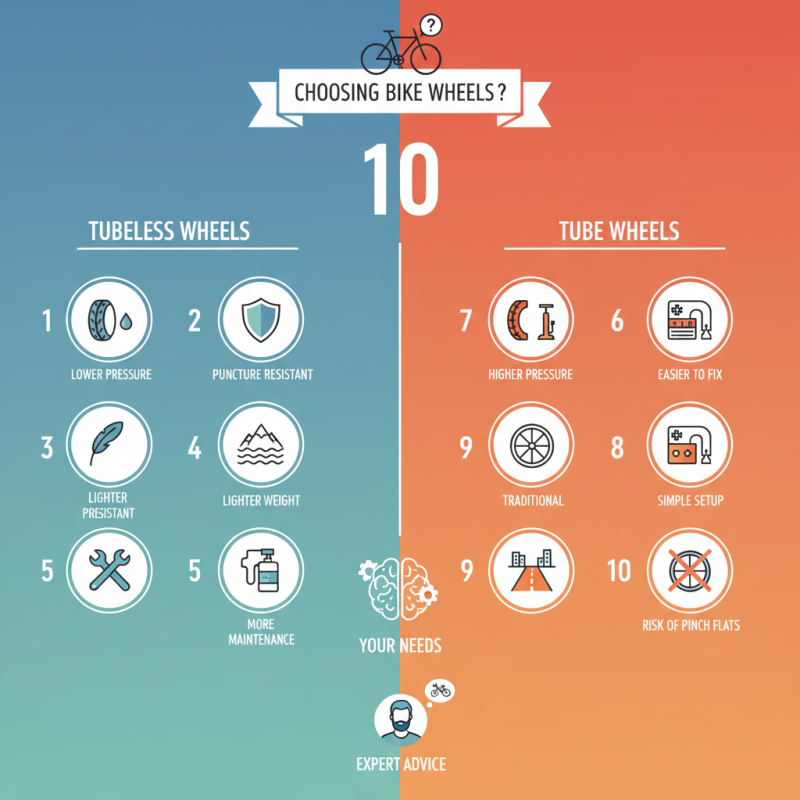
Choosing the right wheels affects traction, weight, and puncture resistance. Tubeless wheels allow for lower pressure and fewer flats, while tube wheels are more traditional and easier to fix. Yet, many riders feel overwhelmed by the options. They sometimes overlook the maintenance required for tubeless setups, which can lead to frustration.
Evaluating your riding style and the terrain you choose is crucial. Many cyclists will admit that they preferred tubeless until a flat mishap made them rethink their decision. Ultimately, each type has its merits and drawbacks. Relying on expert advice, like Smith’s, can help clear the confusion. Understanding your needs is key in this decision-making process.
Understanding the Basics of Tube and Tubeless Wheels
Choosing between tube and tubeless wheels is a crucial decision for cyclists. Understanding the basics is key. Tube wheels use a separate inner tube, while tubeless wheels are designed to hold air without one. This design difference impacts performance and maintenance.
When evaluating your options, consider these tips. First, think about the terrain you ride on. Tubeless wheels excel on rough trails with fewer flats. They can also be run at lower pressures. This increases grip and comfort. Tube wheels are generally easier to repair on the go. If you encounter a flat, simply replace the inner tube and continue riding.
Next, look at the installation process. Tubeless wheels can be trickier to set up. You may need sealant to prevent leaks. This requires some patience. Conversely, tube wheels are straightforward and user-friendly, making them ideal for beginners. Reflecting on your riding style and comfort with maintenance will guide your choice. Each option has its pros and cons, so think carefully.
Advantages and Disadvantages of Tube Wheels
When deciding between tube and tubeless wheels, it’s crucial to consider the advantages and disadvantages of tube wheels. A significant benefit of tube wheels is their affordability. They are cheaper to purchase and maintain, making them a popular choice for budget-conscious cyclists. Additionally, tube wheels are easier to fix in the event of a flat. Simply replace the inner tube, and you’re back on the road quickly.
However, tube wheels have their downsides. They are more prone to punctures, causing frustration during rides. The inner tube can create a pinch flat if the tire pressure is too low. This can lead to unexpected repairs and interruptions. Furthermore, tube wheels may not offer the same level of performance as tubeless options. They can be heavier and less efficient, making them less desirable for competitive cyclists.
In terms of reliability, tube wheels have a mixed reputation. While they are easier to repair, the risk of flats remains a concern. Cyclists should weigh these factors carefully. Understanding both the advantages and disadvantages can help make an informed choice. Your experience may vary and could influence your preference as well.
Benefits and Challenges of Tubeless Wheels
Tubeless wheels are often praised for their many benefits. They provide improved puncture resistance and better traction. Without an inner tube, the risk of pinch flats is significantly reduced. This feature can make them a preferred choice for off-road cycling and long-distance rides. However, they require careful maintenance and setup. Not everyone finds the installation easy, which can be a barrier.
When considering tubeless wheels, you should weigh the pros and cons. One major tip is to use high-quality tire sealant. This can help seal small punctures quickly. It’s also essential to check the seal regularly. A neglected seal may result in air leaks. Another point is to ensure that your rim is compatible with tubeless tires. Improper fit can lead to frustrating ride experiences.
Many cyclists appreciate the lighter weight of tubeless wheels. However, the initial investment can be higher. It can be hard to adjust to the differences if you've always used traditional tubes. Each cyclist's experience can vary greatly based on their riding style and conditions. It's crucial to reflect on your own needs and preferences before making a decision.
China Top 10 Tips for Choosing Tube vs Tubeless Wheels
Key Factors to Consider When Choosing Between Tube and Tubeless
When choosing between tube and tubeless wheels, several key factors come into play. First, consider your riding style. Tubeless wheels often excel in off-road conditions, providing better traction and reduced puncture risk. However, tube wheels are simpler to repair and more suitable for beginners. This is crucial if you're still building confidence in your cycling skills.
Next, think about maintenance. Tubeless setups can require more attention. Sealant needs to be checked regularly. But once set up correctly, they offer a smoother ride. On the other hand, tube wheels are generally hassle-free but may suffer from pinch flats in rough terrain. Weigh this convenience against performance for your specific needs.
Lastly, know your terrain. If you frequently ride rocky paths, tubeless may be your best bet. They allow for lower tire pressures without the risk of pinch flats. Street riding, however, might still favor tube wheels for ease of repair. Reflect on what’s most important for your cycling experience. Balancing these aspects can guide your decision, ensuring a tailored fit for your cycling adventures.
China Top 10 Tips for Choosing Tube vs Tubeless Wheels
| Factors |
Tube Wheels |
Tubeless Wheels |
| Weight |
Heavier due to tube |
Lighter without tube |
| Puncture Resistance |
Less resistant |
More resistant with sealant |
| Installation |
Easier to install |
More complex to set up |
| Air Pressure Maintenance |
Requires regular checks |
Holds air better, less frequent checks |
| Performance |
Good for road cycling |
Better traction and lower rolling resistance |
| Cost |
Generally cheaper |
More expensive setup |
| Repairing |
Easier to repair |
Repairing can be more complicated |
| Compatibility |
Widely compatible with older bikes |
Needs specific rim types |
| Riding Conditions |
Better for casual rides |
Suitable for rough terrains |
| Seasonal Use |
Good in winter |
Better in summer |
Maintenance and Repair Considerations for Both Wheel Types
When it comes to maintenance and repair, tube and tubeless wheels have different requirements. Tube wheels often need regular checks for punctures and air pressure. Repairing a tube can be straightforward, but it may require tools and a spare tube. Be prepared with a patch kit or extra tube on hand.
Tubeless, on the other hand, reduces the likelihood of flat tires. However, if a puncture occurs, finding the right sealant is crucial for a quick fix.
Choosing the right wheel type ultimately comes down to your needs. Tubeless wheels offer convenience and fewer maintenance headaches. Yet, they may leak sealant over time. Regular checks are important. Tube wheels are reliable but can be a hassle if you don’t carry spare parts. Think about riding conditions and frequency.
Taking care of your wheels is essential for safety and performance. Understand what your wheel type demands. As much as we try to prevent issues, unexpected repairs will happen. Inspecting your wheels regularly will help identify potential problems early. Whether you choose tube or tubeless wheels, knowing how to maintain them can save time and frustration.
FAQS
: Tube wheels use a separate inner tube. Tubeless wheels hold air without it.
Tubeless wheels excel on rough trails. They provide better grip and comfort.
They can be tricky to set up. You may need sealant to prevent leaks.
Tube wheels are easier to repair. They are straightforward for beginners to use.
Off-road riders may prefer tubeless wheels. They offer reduced puncture risks.
Sealant needs regular attention. It's important for maintaining tubeless functionality.
Yes, tube wheels can experience pinch flats on rough terrain.
Tube wheels are generally hassle-free. Tubeless setups require more care.
Reflect on your riding style, terrain, and comfort with maintenance.
Yes, tubeless setups can be complex. They may not be ideal for beginners.
Conclusion
When considering how to choose between tube and tubeless wheels, it's essential to understand the basic differences between the two. Tube wheels are typically simpler and easier to repair, making them a reliable choice for many cyclists. However, they are more prone to pinch flats and can be heavier due to the added tube. On the other hand, tubeless wheels offer benefits like lower chance of punctures and the ability to run at lower pressures for better traction. Nevertheless, they present challenges in terms of installation and ongoing maintenance.
Key factors to consider include the type of riding you'll be doing, your level of experience with wheel systems, and your ability to handle repairs. Maintenance for tube wheels tends to be simpler, while tubeless systems require regular checks for sealant and potential leaks. Ultimately, your choice should reflect your preferences for performance, convenience, and the specific circumstances in which you’ll be riding.

 Jersey Auto