Determining the material of a rim can be challenging. Many car owners often ask, "How to tell if a rim is steel or aluminum?" Industry expert John Smith, an automotive specialist, states, “The material of the rim affects performance and safety.” Knowing the difference can help in maintenance and replacement.
Steel rims are typically heavier and sturdier. They withstand rough conditions well. Aluminum rims, on the other hand, are lighter and enhance vehicle performance. However, some may mistake one for the other due to similar appearances. It's essential to be aware of specific indicators.
The rim's weight is a key factor. Steel rims will feel noticeably heavier than aluminum ones. Additionally, if you have scratches or dents, check the inner side. Aluminum tends to have a smoother finish. Identifying these differences can prevent costly mistakes. Always remember, understanding your rims is vital for safe driving.
Differentiate Between Steel and Aluminum Rims Based on Weight
When trying to differentiate between steel and aluminum rims, weight is often the most telling factor.
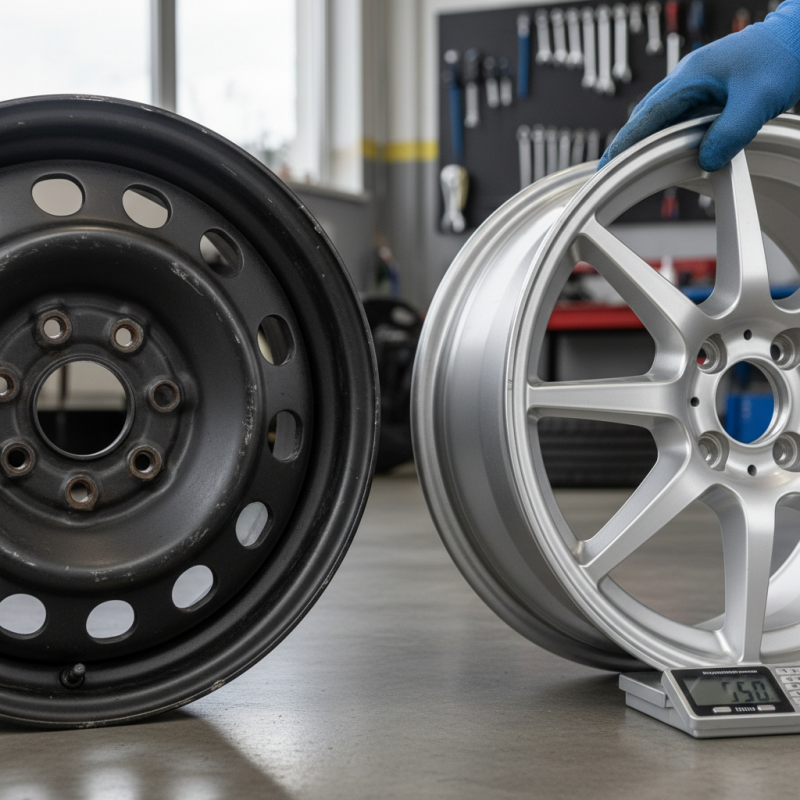
Steel rims are generally heavier than aluminum rims. A typical steel rim can weigh around 20 to 25 pounds,
while aluminum rims usually weigh between 15 to 20 pounds. This difference can be crucial for car enthusiasts or anyone looking to
improve vehicle performance.
To assess the weight, you can lift each rim. It's an easy yet effective method. If one feels significantly lighter, it's likely aluminum.
However, weight alone isn't the only indicator. Surface texture can also provide clues. Steel rims may feel rougher due to their factory finish,
while aluminum rims often have a smoother, polished appearance. Pay attention to these details to help confirm your assessment.
Another note of caution: some aftermarket steel rims can be coated or painted, making them seem lighter.
If you encounter any rim that doesn’t fit the typical weight range, verify the material through additional methods.
Look for markings or consult experts if unsure. This investment in time will ensure you make informed decisions.
Always consider multiple factors when identifying rim materials, as relying solely on one aspect may lead to errors.
Assess the Magnetic Properties to Identify Rim Material
Assessing the magnetic properties of rims is a practical method to determine their material. Steel rims are ferromagnetic, meaning they are attracted to magnets. In contrast, aluminum rims do not exhibit this property. A simple magnet can serve as an effective tool. Place it against the rim; if it sticks, the rim is likely steel. If not, it is probably aluminum.
Research has shown that around 70% of car rims are made from aluminum due to its lightweight nature and resistance to corrosion. Aluminum rims improve fuel efficiency and enhance vehicle performance. Steel, however, remains common in heavier vehicles for its durability. According to industry reports, steel rims can handle more abuse, but they may be prone to rusting over time.
Recognizing these material differences is crucial, especially for enthusiasts or mechanics. Understanding the benefits and drawbacks can influence maintenance and aesthetic choices. While magnetic testing is straightforward, not all rims are easily classified. Some alloys have magnetic properties, challenging any assumptions. This complexity calls for a more nuanced approach to rim identification. Overall, the magnetic property test is a valuable starting point for assessing rim material, but it may not always give definitive answers.
Check for Visual Indicators: Color and Surface Finish
When trying to determine if a rim is made of steel or aluminum, visual indicators play a crucial role. Start by examining the color of the rim. Aluminum rims often exhibit a brighter, shiny finish. They can have a polished or brushed look that is visually distinct. In contrast, steel rims usually present a darker, more matte appearance. This difference in gloss can be a quick clue to the metal used.
Surface finish should also be inspected closely. Aluminum rims may display intricate designs and patterns due to easier molding capabilities. Steel rims often feature simpler, utilitarian designs. Additionally, the presence of rust is a significant indicator. Steel rims are prone to rust when exposed to elements, while aluminum is resistant to corrosion. Look for these markers. They can provide clear hints about the rim's material. Remember, these observations can sometimes be misleading. Some aluminum rims may appear dull, and painted steel might look shiny. Always consider multiple factors.
Evaluate Rim Strength and Durability Characteristics
When evaluating rim strength and durability, the material composition plays a crucial role.
Steel rims are heavier but generally more robust. They can withstand significant stress without bending.
Aluminum rims, on the other hand, offer a lightweight option, which improves fuel efficiency. However, they may not be as durable under extreme conditions. We often overlook how the type of material affects performance.
Inspecting the rim's finish can provide clues about its material. Steel often has a painted or coated finish to prevent rust.
Aluminum typically has a polished look or clear coating. Checking for signs of corrosion is essential.
Rust on steel indicates wear, while aluminum may show pitting. Understanding these characteristics helps consumers make informed choices.
Also, you should consider how the rim feels during use.
Steel rims can absorb shock better due to their heft. In contrast,
aluminum rims may transmit vibrations that can lead to discomfort.
Analyzing these factors is important, even if it requires more thought. The choice between steel and aluminum shouldn’t be taken lightly, as it affects
safety and performance.
Examine the Cost Factor in Rim Material Selection
When selecting rims, cost is a vital factor. The difference between steel and aluminum rims is significant. Steel rims are typically less expensive, often ranging from $50 to $100 each. In contrast, aluminum rims usually start around $100 and can go up to $400 or more. This price variation reflects not only material cost but also performance and aesthetic factors.
A study by the Automotive Engineering Institute revealed that steel rims are heavier, which can impact fuel efficiency. Heavier rims increase rolling resistance and can reduce overall vehicle performance. Aluminum rims, while pricier, offer advantages in weight and style, appealing to many consumers. They often enhance vehicle aesthetics, which can influence resale value, making the initial expenditure worthwhile.
Cost should not be the sole consideration. Durability is also crucial. Steel rims tend to withstand rough conditions better. However, they can rust over time. Aluminum rims are more resistant to corrosion but may become damaged more easily in harsh environments. A balance between cost and performance is essential for long-term satisfaction. Each choice has its merits, and personal driving needs will dictate the best investment.
10 Best Ways to Tell if a Rim is Steel or Aluminum
FAQS
: Use a simple magnet. If it sticks, the rims are likely steel. If not, they are probably aluminum.
Around 70% of car rims are made from aluminum. It is lightweight and resists corrosion.
Aluminum rims are lighter than steel, reducing rolling resistance and enhancing vehicle performance.
Yes, steel rims are generally more durable and can handle rough conditions better than aluminum.
Steel rims typically cost between $50 to $100 each, making them a budget-friendly option.
Aluminum rims usually start around $100 and can go up to $400 or more, reflecting performance and style.
Yes, steel rims can rust over time, which is a consideration for maintenance and durability.
Consider both cost and durability. Steel is cheaper, while aluminum offers better performance and aesthetics.
No, some alloys have magnetic properties that complicate classification, requiring a more nuanced approach.
No, durability and performance should also guide your choice. Balance between cost and needs is essential.
Conclusion
In the quest to determine how to tell if a rim is steel or aluminum, several key factors come into play. First, evaluating the weight of the rims can provide a straightforward clue, as aluminum rims tend to be significantly lighter than their steel counterparts. Additionally, assessing the magnetic properties can help; steel rims will attract a magnet, while aluminum will not.
Visual indicators also serve an important purpose; examining the color and surface finish can reveal differences, with aluminum often showcasing a shinier appearance. Moreover, the strength and durability characteristics of the rims can differentiate them, as steel is generally more robust but heavier, while aluminum offers a good balance of performance and weight. Finally, considering the cost factor in rim selection becomes crucial, as aluminum rims tend to be more expensive, reflecting their benefits in weight and performance. Overall, understanding these aspects can assist in correctly identifying the rim material.

 Jersey Auto