A bent wheel rim can turn a smooth commute into a shaky, noisy drive. The clues may start small: a steering wheel that trembles at highway speed, a soft thump over clean pavement, or air pressure that keeps dropping. What are the symptoms of a bent wheel rim? They can resemble tire imbalance or suspension trouble, so one sign alone does not confirm the cause. A technician should inspect the wheel and tire together.
A reliable introduction should not invent an expert’s name or quotation. No source interview or expert statement was provided, so this draft avoids falsely attributing one. The practical warning is simple: “A persistent vibration deserves a proper inspection.” Look for a visible crease along the rim’s inner edge, uneven tire wear, or a bead that no longer sits evenly. Some damage hides behind the tire. That matters.
The seven signs in this guide help drivers recognize when a wheel may need attention, not diagnose it from the roadside. Note when the vibration appears, whether the car pulls, and how quickly tire pressure falls. Share those details with a qualified wheel or tire professional. If handling changes suddenly, slow down safely and arrange an inspection rather than testing the car at speed. A balanced wheel can still be bent. And a bent rim may not look dramatic.
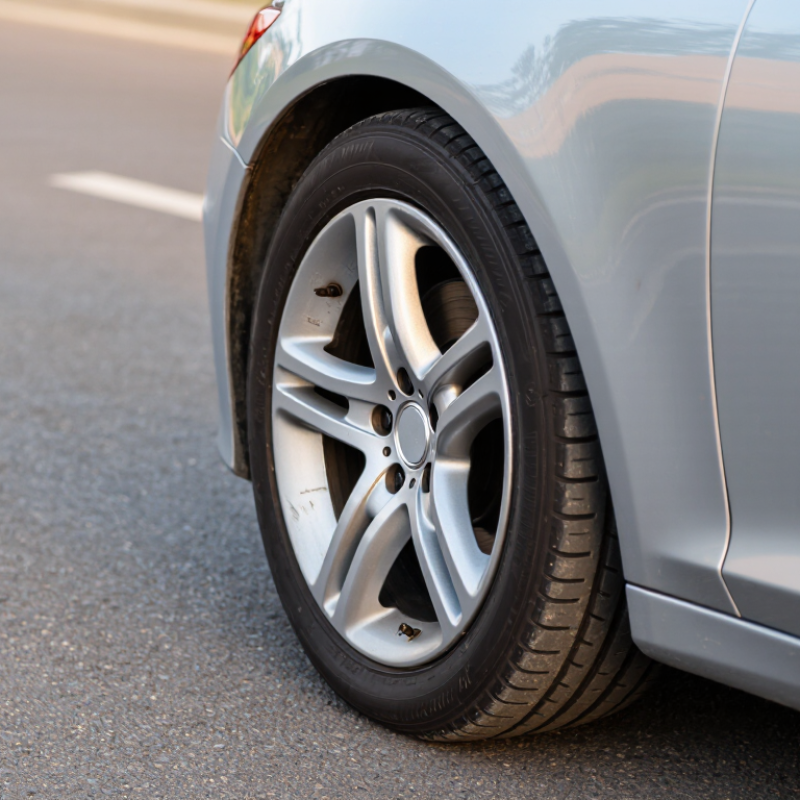
7 Best Signs of a Bent Wheel Rim?
How a Bent Wheel Rim Affects Tire and Vehicle Performance
A bent rim can cause more than an ugly wheel. It may prevent the tire bead from sealing evenly, leading to a slow pressure loss. You might notice a steering-wheel shake, especially at highway speeds, or a dull thump over smooth pavement. Small bends matter. Uneven wheel rotation can also contribute to irregular tire wear and make handling feel less predictable. A rim that looks almost round may still have enough runout to cause trouble.
Low tire pressure adds another concern. The U.S. Department of Energy’s FuelEconomy.gov reports that a 1-psi drop across all four tires can reduce fuel economy by about 0.2%. A bent rim does not always cause a leak, and vibration can also come from wheel imbalance or tire damage. No warning light may appear. That uncertainty is why a visual check alone is not enough.
Tips: Check tire pressure when the tires are cold, and look for fresh rim dents, sidewall bulges, or repeated pressure loss. If the steering wheel shakes or a tire keeps losing air, ask a qualified technician to inspect the wheel’s runout and tire bead. Don’t assume balancing alone will fix a visibly bent rim.
| Sign | What You May Notice | Possible Effect on Tire or Vehicle Performance | Recommended Response |
|---|---|---|---|
| 1. Steering-wheel or seat vibration | Shaking that becomes more noticeable at certain speeds, often after hitting a pothole or curb. | A bent rim can prevent the wheel-and-tire assembly from rotating smoothly. Similar vibration can also result from imbalance, tire damage, or suspension problems. | Have the wheel and tire inspected and balanced. Avoid high speeds if the vibration is severe. |
| 2. Repeated loss of tire pressure | A tire needs frequent inflation, or its pressure drops without an obvious puncture. | Damage or distortion at the rim’s bead seat can interfere with the tire’s airtight seal and lead to a slow leak. | Check pressure with a gauge and arrange a leak inspection. Do not drive on a visibly underinflated tire. |
| 3. Visible rim deformation | A lip or edge appears dented, flattened, cracked, or out of shape when viewed from the side. | Severe deformation may affect tire sealing, wheel rotation, and the wheel’s ability to support loads safely. | Have the wheel assessed promptly. A cracked or badly deformed wheel should not be driven on. |
| 4. Uneven or accelerated tire wear | One area of the tread wears faster, or wear differs noticeably across the tire. | A bent wheel may cause wheel runout or contribute to vibration; alignment, inflation, and suspension faults can also cause uneven wear. | Inspect the tire, wheel, alignment, and suspension together rather than assuming the rim is the only cause. |
| 5. Vehicle pulls to one side | The vehicle drifts or requires extra steering correction on a level road. | A damaged wheel or tire may contribute, but pulling is commonly associated with alignment, tire-pressure differences, or brake and suspension issues. | Check tire pressures and have the vehicle inspected if the pull persists. |
| 6. Thumping, humming, or unusual road noise | A repeated sound that changes with vehicle speed, especially after an impact. | Wheel runout or tire damage can create noise as the wheel rotates. Loose components or bearing problems may produce similar symptoms. | Arrange an inspection, particularly if the noise is new, worsening, or accompanied by vibration. |
| 7. Reduced ride or handling stability | The vehicle feels less smooth or stable, or the steering response feels different than usual. | A distorted wheel can affect how consistently the tire contacts the road and may worsen vibration or handling, especially at higher speeds. | Reduce speed and seek professional inspection. Stop driving if control feels unsafe or the tire is losing air. |
Important: These signs can have causes other than a bent rim. A qualified inspection can distinguish wheel damage from tire, alignment, brake, or suspension problems.
It may cause steering-wheel vibration, a dull thump, uneven tire wear, or slow pressure loss. Not always.
No. Tire imbalance, tire damage, uneven wear, or suspension problems can feel similar. One drive is not enough to tell.
Measure pressure with a gauge when the tires are cold. Compare readings over several days. Repeated pressure loss needs attention.
Check for a flattened edge, wavy rim shape, fresh scrapes, or a crack near the bead seat. Dirt can hide small bends.
Yes. The car may drift, respond slowly to turns, or feel unsettled on curves. Alignment problems can cause similar changes.
Reduce speed if the vibration appears suddenly, worsens, or comes with thumping. Arrange an inspection. Hoping it fades is not a reliable test.
Balancing alone may not fix a bent rim. A technician can check wheel runout, balance, and the tire bead.
No. Some bends are hard to see while the wheel is mounted. A photo may not show the shape clearly.
A bent wheel rim can affect far more than a vehicle’s appearance. It may prevent the tire from sitting evenly, leading to vibration at certain speeds, shaking through the steering wheel, or a change in how the vehicle handles. Drivers may also notice that the vehicle pulls to one side, feels less stable, or produces unusual thumping or humming sounds while moving.
What are the symptoms of a bent wheel rim can also include gradual air loss, frequent pressure changes, and uneven tire wear. A visual inspection may reveal a dent, a flattened section, or damage along the rim edge, though some bends are difficult to see while the wheel is mounted. Checking tire pressure and examining the wheel can help identify a problem, but a professional inspection is useful to confirm the cause. Depending on the damage and whether the wheel can safely hold air and balance properly, repair or replacement may be recommended.

 Jersey Auto