Aluminum wheels have become a focal point in discussions around automotive fuel efficiency. Industry expert Dr. Jane Thompson, a noted automotive engineer, highlights this trend. She asserts, "The weight reduction from aluminum wheels can lead to notable fuel economy improvements." This statement captures the essence of why many manufacturers have shifted towards aluminum over steel.
Why are aluminum wheels better for fuel economy? One key factor is their lighter weight. Lighter wheels reduce a vehicle's overall mass, which can improve acceleration and braking efficiency. This helps in optimizing fuel consumption, especially in stop-and-go traffic situations. Furthermore, aluminum wheels offer better heat dissipation, enhancing braking performance and tire life.
Yet, it's essential to consider that not all aluminum wheels are created equal. Variability in design and material quality can influence performance. Additionally, while aluminum wheels provide fuel savings, they may come at a higher upfront cost. Balancing initial investment with long-term savings requires careful thought. Understanding the potential benefits and drawbacks leads to informed choices when upgrading vehicle components.
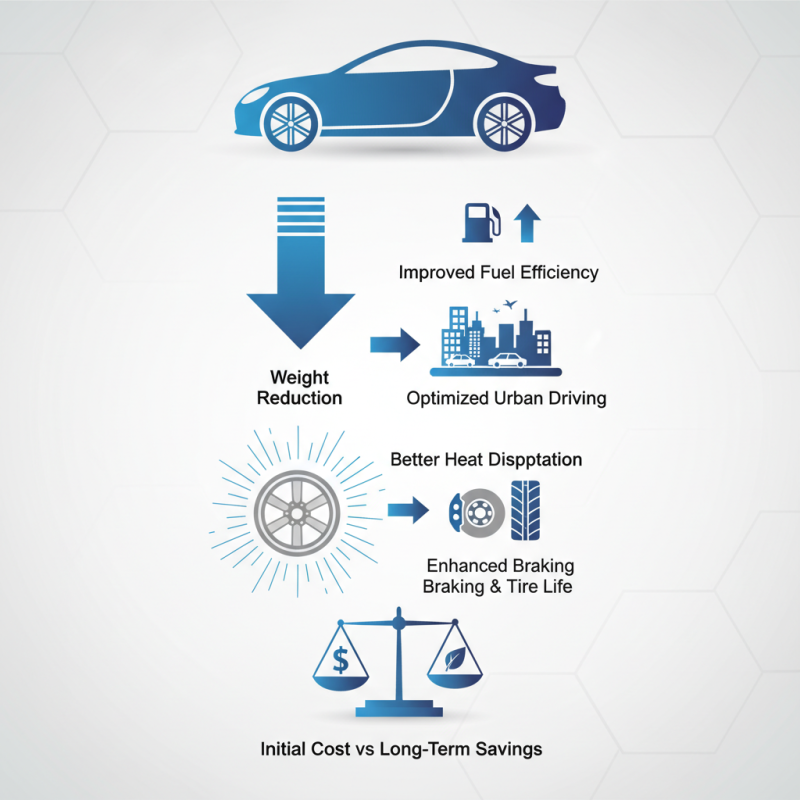
Understanding aluminum wheels is vital for improving fuel efficiency. These wheels are lighter than their steel counterparts. This reduction in weight translates to less energy needed to move the vehicle. According to research from the American Council for an Energy-Efficient Economy, every 10% reduction in vehicle weight can result in about a 6-8% improvement in fuel economy. Given this, the shift to aluminum wheels is not merely beneficial; it's a strategic move for enhancing performance and sustainability.
When considering a vehicle purchase or upgrade, keep in mind the type of wheels. Aluminum wheels not only offer fuel economy benefits but also provide better heat dissipation. This can prolong tire life and improve braking performance. Nevertheless, some users feel aluminum wheels may not be as durable as steel in harsh conditions. This can lead to concerns about long-term reliability. Users should weigh these aspects carefully.
Tip: Regularly check tire pressure. Properly inflated tires can boost fuel efficiency further. Additionally, consider the overall vehicle weight. A well-balanced car helps maximize the benefits of lighter aluminum wheels. This small adjustment can significantly impact fuel savings.
Aluminum wheels are gaining popularity over steel wheels, particularly when it comes to fuel economy. Their lighter weight reduces the overall vehicle mass. This is crucial because lighter cars generally require less energy to move. In urban driving conditions, this can lead to better fuel efficiency.
Another aspect to consider is the heat dissipation. Aluminum wheels can dissipate heat more effectively than steel wheels. This means that brakes are less likely to overheat during extended use. Overheated brakes can lead to performance issues and decreased safety. Therefore, aluminum wheels can enhance control in various driving conditions.
Tips: Choose aluminum wheels if you frequently drive in stop-and-go traffic. This choice can minimize the fuel burn during short trips. Regular maintenance checks on your wheels are also important. Ensure they are aligned properly to maintain optimal performance.
Reducing weight in vehicles can significantly enhance fuel efficiency. Aluminum wheels are a prime example of how material selection matters. They are lighter than traditional steel wheels. This weight reduction directly impacts the overall vehicle dynamics. With less mass to move, engines can work more efficiently.
Driving a lighter car means better acceleration and easier handling. When you brake, less energy is needed to stop. However, not all drivers are aware of this benefit. Some may prefer the sturdiness of heavier options. Yet, they might miss out on savings at the pump. Fuel costs can add up over time, so every little change matters.
While aluminum wheels improve fuel economy, other factors should be considered. Durability may come into question. Lighter materials can raise concerns about strength. Balancing weight and strength requires careful engineering. Not all designs achieve this perfectly. Choosing the right materials is crucial for longevity and economy. Understanding these aspects can lead to better vehicle choices.
Aluminum wheels have gained prominence due to their superior aerodynamic properties. Unlike traditional materials, aluminum wheels are often designed with smooth contours that reduce drag. Studies indicate that improved aerodynamics can enhance fuel efficiency by up to 5-7%. This is a significant benefit for drivers looking to maximize their mileage.
The lightweight nature of aluminum also contributes to better fuel economy. Lighter wheels decrease the overall weight of a vehicle, which in turn reduces the energy required for acceleration. According to industry data, each kilogram of weight reduction can improve fuel economy by approximately 0.1%. This encourages manufacturers to innovate with aluminum designs, aiming for greater efficiency overall.
Tip: When considering wheel options, look for designs that claim enhanced aerodynamic features. These details can make a tangible difference in everyday driving.
Many designs incorporate features like spokes that enhance airflow. Balancing aesthetics and functionality is crucial. Still, some designs may sacrifice structural integrity for styling, leading to potential safety concerns. Always investigate a wheel’s durability along with its design benefits.
Tip: Consult experts or engineers if unsure about a specific aluminum wheel's performance claims. Confirming data can ensure informed decisions.
| Feature | Aluminum Wheels | Steel Wheels |
|---|---|---|
| Weight | Lightweight, improving fuel efficiency | Heavier, which can decrease fuel efficiency |
| Aerodynamics | Better aerodynamic design options | Less aerodynamic design flexibility |
| Heat Dissipation | Excellent heat dissipation | Inferior heat dissipation properties |
| Corrosion Resistance | Highly corrosion-resistant | Prone to rust and corrosion |
| Customization | Various designs and finishes available | Limited designs and finishes |
| Resale Value | Higher resale value due to demand | Lower resale value |
When it comes to fuel economy, aluminum wheels offer significant advantages. Their lightweight nature reduces the vehicle's overall weight, leading to better fuel efficiency. By minimizing unsprung mass, they enhance handling and response. This improved performance translates into less energy needed to accelerate and maintain speed.
**Tips:** Consider how your driving habits impact fuel efficiency. Regularly check tire pressure and ensure proper alignment. Small adjustments can yield noticeable savings.
In a cost-benefit analysis, the upfront investment in aluminum wheels often pays off over time. They are generally more durable than steel counterparts, leading to lower maintenance costs. This longevity means fewer replacements and repairs, making them a wiser choice in the long run.
**Tips:** Monitor your vehicle’s performance and recalibrate expectations. Evaluate the balance between initial costs and long-term savings. Reflect on how durable materials can influence your spending.
: Aluminum wheels are lighter, reducing vehicle mass. This leads to better fuel efficiency in urban driving conditions.
Aluminum wheels dissipate heat more effectively than steel wheels. This helps prevent brake overheating and enhances safety.
Opt for aluminum wheels if you drive frequently in stop-and-go traffic. They help minimize fuel consumption during short trips.
Lighter vehicles offer better acceleration and handling. They require less energy to stop, leading to improved overall efficiency.
Yes, lighter materials can raise durability concerns. Balancing weight and strength is essential to ensure longevity and safety.
Look for designs with smooth contours and spokes that enhance airflow. These can contribute to improved fuel efficiency.
Studies suggest better aerodynamics can enhance fuel efficiency by 5-7%. This is significant for maximizing mileage.
Not all designs achieve strength and aesthetics equally. Some may sacrifice durability for style, so check their integrity carefully.
Consult experts about performance claims and durability. This ensures you make informed choices based on reliable data.
Yes, some stylish designs might compromise structural integrity. Always prioritize safety when selecting wheels.
Aluminum wheels have gained a reputation for their fuel economy benefits, raising the question: why are aluminum wheels better for fuel economy? The primary factor lies in their lightweight nature, which leads to weight reduction in vehicles, significantly impacting fuel efficiency. Compared to traditional steel wheels, aluminum options not only enhance vehicle performance by improving acceleration and handling but also contribute to better overall fuel consumption.
Additionally, aluminum wheels often feature designs that improve aerodynamics, further optimizing fuel economy. While the initial cost of aluminum wheels may be higher, a cost-benefit analysis reveals that the long-term savings through lower fuel expenses and extended vehicle lifespan make them an economically wise choice. Overall, the combination of reduced weight, improved aerodynamics, and durability makes aluminum wheels superior for enhancing fuel efficiency in vehicles.

Jersey Auto