5 Reasons Why Aluminum Wheels Boost Fuel Economy

Time:2026-08-23 Author:Henry
0%

When thinking about vehicle efficiency, a common question arises: Why are aluminum wheels better for fuel economy? Understanding the advantages of aluminum wheels can provide valuable insight for car owners. Aluminum wheels are significantly lighter than traditional steel wheels. This reduction in weight can lead to less energy required for movement.

Moreover, aluminum wheels improve the overall aerodynamics of a vehicle. A streamlined design reduces drag. This, in turn, enhances fuel efficiency. Additionally, aluminum wheels often have better heat dissipation properties. Improved braking performance can further contribute to lower fuel consumption.

It's essential to consider that not all aluminum wheels yield the same benefits. High-quality aluminum alloys can offer more advantages than cheaper alternatives. Driving habits and vehicle maintenance also play a crucial role in fuel economy. Therefore, while aluminum wheels present promising benefits, the overall impact on fuel efficiency can vary.
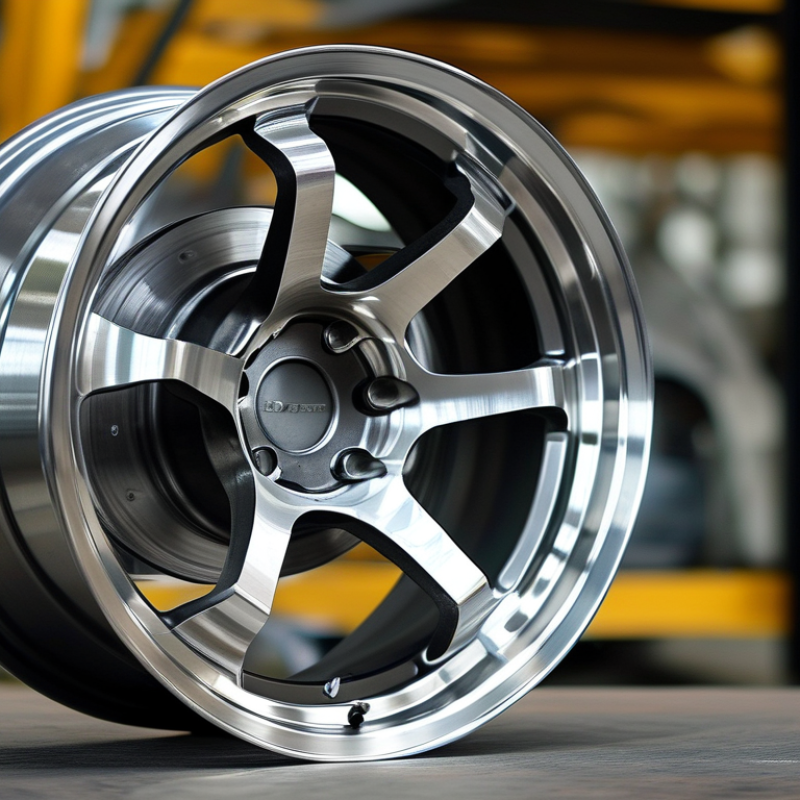
5 Reasons Why Aluminum Wheels Boost Fuel Economy

Benefits of Lightweight Design in Aluminum Wheels

Aluminum wheels are popular for various reasons, but their lightweight design stands out. A lighter wheel reduces the overall vehicle weight. This reduction is crucial for fuel efficiency. When a vehicle is lighter, it takes less energy to move. Simple physics explains this: less weight means less fuel consumption.

In addition, aluminum wheels often enhance handling. The lower mass allows for quicker acceleration and better control. Drivers can experience improved steering response. It's a noticeable difference when making sharp turns or abrupt stops. However, some may think that lighter wheels compromise durability. While this concern exists, advancements in engineering have made modern aluminum wheels quite resilient.

Fuel savings can be significant over time. Drivers may notice longer intervals between fill-ups. This benefit extends beyond just the wallet. Environmental impacts are also noteworthy. Reduced fuel consumption leads to fewer emissions. However, one must consider maintenance challenges. While aluminum wheels are lightweight, they can require regular cleaning to prevent corrosion. Balancing these aspects is essential for those looking to maximize both performance and sustainability.

Impact of Reduced Rolling Resistance on Fuel Efficiency

Aluminum wheels are becoming increasingly popular for their role in enhancing fuel efficiency. One significant factor is the reduced rolling resistance they provide. According to industry studies, lighter wheels can decrease rolling resistance by as much as 20%. This reduction means that vehicles require less energy to maintain speed, directly contributing to improved fuel economy.

The weight of aluminum wheels compared to steel options is about 30% less. This reduction allows for better acceleration and deceleration. Furthermore, less weight means less energy consumed during vehicle operation. As a result, manufacturers report that cars equipped with aluminum wheels can achieve approximately 5% to 12% increased fuel efficiency in real-world conditions.

When considering aluminum wheels, keep in mind the importance of proper tire inflation. Under-inflated tires can negate the benefits of low rolling resistance. Regular checks are critical in maintaining optimal performance. Additionally, investing in high-quality aluminum wheels can enhance durability while ensuring better fuel savings. While the initial cost may be higher, the long-term savings on fuel can justify the investment.

5 Reasons Why Aluminum Wheels Boost Fuel Economy

This chart illustrates the impact of reduced rolling resistance from aluminum wheels on overall fuel efficiency in vehicles. As the weight of wheels decreases, fuel economy improves due to less energy required for movement.

Enhancement of Aerodynamic Performance with Aluminum Wheels

Aluminum wheels have transformed vehicle design. Their lightweight nature enhances fuel efficiency. According to the U.S. Department of Energy, reducing vehicle weight can enhance fuel efficiency by nearly 6-7% for every 10% decrease in weight. This leads to significant savings over time.

Aerodynamics also benefits from aluminum wheels. Improved design reduces air resistance. A study from the Society of Automotive Engineers found that optimizing wheel shape can result in a drag coefficient reduction of up to 10%. Better airflow around the wheels leads to less energy spent on overcoming drag, enhancing overall efficiency.

However, not all designs are created equal. Some aluminum wheels may compromise strength for weight. Ensuring durability while maintaining a lightweight design is crucial. The balance between aerodynamics and structural integrity needs careful consideration. Manufacturers must focus on innovation and rigorous testing to create wheels that truly enhance performance without sacrificing reliability.

Durability and Maintenance Advantages Leading to Cost Savings

Aluminum wheels offer significant durability advantages. Unlike steel, aluminum is resistant to rust and corrosion. This property means that they can last longer, especially in harsh climates. Vehicles equipped with aluminum wheels require less frequent replacement and repairs. This leads to less waste and fewer resources spent on manufacturing new wheels.

Maintenance is simplified with aluminum wheels. They are easier to clean and maintain, saving time and effort for vehicle owners. A quick wash can restore their shine, while steel wheels often require more intensive care. This ease of maintenance contributes to cost savings over time. The initial investment in aluminum wheels pays off through longevity and reduced upkeep.

However, not all aluminum wheels are created equally. Some may bend more easily than steel counterparts under extreme conditions. It's crucial to choose high-quality options, which can sometimes come with a higher price tag. Educating yourself on the different grades of aluminum available can help make informed decisions. Balancing cost, durability, and maintenance should always be a priority.

The Role of Heat Dissipation in Fuel Economy Improvement

Aluminum wheels play a significant role in enhancing fuel economy, particularly through effective heat dissipation. When vehicles are in motion, friction generates heat. Traditional steel wheels tend to absorb and retain this heat, causing excessive temperature build-up. In contrast, aluminum wheels dissipate heat more efficiently. This prevents the brake system and other components from overheating, ensuring optimal performance.

Effective heat management directly impacts fuel efficiency. When parts operate under optimal temperatures, they function more smoothly. This leads to lower resistance, allowing vehicles to consume less fuel. Aluminum’s lightweight nature also reduces the overall weight of the vehicle, making it easier to accelerate and maintain speed. However, not all aluminum wheels are engineered equally. Some may lack sufficient ventilation, limiting heat dissipation and potentially leading to reduced performance.

While the benefits are clear, it's important to consider the quality of aluminum used and the design of the wheel. Poorly designed wheels might not achieve the desired heat dissipation. They could result in increased wear on brake components and reduced safety. Regular maintenance and careful selection of wheel designs can alleviate these concerns. Investing in high-quality aluminum wheels can lead to substantial long-term gains in fuel efficiency and vehicle longevity.

5 Reasons Why Aluminum Wheels Boost Fuel Economy - The Role of Heat Dissipation in Fuel Economy Improvement

Reason Description Impact on Fuel Economy
Weight Reduction Aluminum wheels are lighter than steel, reducing overall vehicle weight. Improves fuel efficiency by decreasing energy required for acceleration.
Heat Dissipation Aluminum dissipates heat better, which prevents overheating. Enhances performance and can lead to better fuel economy.
Aerodynamics Aluminum wheels can be designed for better airflow around the vehicle. Reduces drag, improving fuel efficiency, especially at higher speeds.
Reduced Rolling Resistance Properly designed aluminum wheels can minimize friction between the tire and road. Leads to improved fuel economy by requiring less power to move the vehicle.
Longer Lifespan Aluminum wheels typically resist corrosion and wear better than steel options. Maintains performance over time, contributing to consistent fuel economy.

FAQS

: What are the benefits of using aluminum wheels?

: Aluminum wheels are lightweight, enhancing fuel efficiency by up to 6-7% with a 10% weight reduction.

How do aluminum wheels affect aerodynamics?

They improve airflow and reduce drag. This optimization can decrease the drag coefficient by up to 10%.

Are aluminum wheels durable?

Yes, aluminum is resistant to rust and corrosion, making wheels last longer than steel in tough climates.

Do aluminum wheels require more maintenance?

No, they are easier to clean and maintain compared to steel wheels, saving time and effort.

Can aluminum wheels bend easily?

Some lower-quality aluminum wheels may bend under extreme conditions. Choosing high-quality wheels is essential.

How does weight impact vehicle performance?

Reducing weight improves fuel efficiency but also requires careful design to maintain strength and durability.

Are all aluminum wheels the same?

No, quality varies. It's important to educate yourself on different aluminum grades for informed choices.

What should I consider when buying aluminum wheels?

Balance cost, durability, and maintenance. Higher quality may cost more upfront but can save money in the long run.

Can I expect long-term savings with aluminum wheels?

Yes, they typically require fewer replacements and repairs, leading to reduced waste and cost savings over time.

What testing does aluminum wheel manufacturing require?

Manufacturers must perform rigorous testing to ensure strength and performance without compromising lightweight design.

Conclusion

Aluminum wheels have gained popularity in the automotive industry, and one significant question arises: "Why are aluminum wheels better for fuel economy?" The lightweight design of aluminum wheels significantly reduces the overall vehicle weight, leading to improved fuel efficiency. This reduction in weight also contributes to lower rolling resistance, which directly enhances fuel economy by requiring less energy for motion.

Moreover, aluminum wheels are designed to improve aerodynamic performance, helping vehicles cut through air more efficiently, further boosting fuel savings. Their durability means that maintenance costs are reduced, translating to long-term savings for drivers. Additionally, aluminum wheels facilitate better heat dissipation, which can positively impact the vehicle's overall performance and efficiency. In conclusion, the combination of these factors positions aluminum wheels as an exceptional choice for enhancing fuel economy in modern vehicles.

Henry

Henry

Henry is a dedicated marketing professional with a profound expertise in the company's offerings. With years of experience in the industry, he possesses an impressive understanding of the market dynamics and consumer behaviors that drive success. Henry is committed to sharing his insights through......