When considering the durability of vehicles, one crucial aspect is the longevity of their wheels. Specifically, aluminum alloy wheels have gained popularity for their lightweight and aesthetic appeal. However, many consumers ponder, "What is the lifespan of an aluminum alloy wheel?" Industry expert John Smith from the Wheel Manufacturers Association states, "With proper care, aluminum alloy wheels can last anywhere from 5 to 10 years, but several factors significantly influence their durability."
Reports indicate that environmental conditions, driving habits, and maintenance practices play a vital role in determining the lifespan of these wheels. For instance, exposure to salt, road debris, and extreme temperatures can lead to corrosion and damage. In fact, a study by the Automotive Engineering Institute suggests that neglecting regular inspections can reduce a wheel's life by up to 30%.
It's essential to understand that while aluminum alloy wheels are robust, they are not invincible. Frequent high-speed driving or aggressive cornering can also contribute to premature degradation. Reflecting on these considerations can help car owners make informed decisions about their wheel maintenance and replacement.
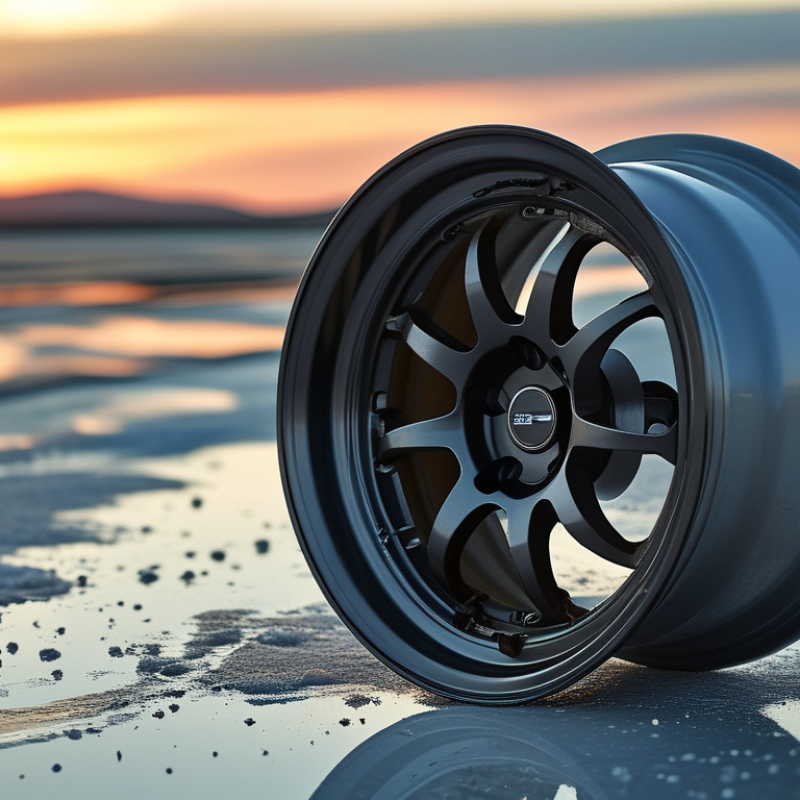
Aluminum alloy wheels are increasingly popular due to their lightweight and durable properties. They are composed primarily of aluminum, mixed with elements like magnesium and silicon to enhance performance. This unique composition gives them a high strength-to-weight ratio, making them suitable for both performance and everyday vehicles.
Research indicates that aluminum alloy wheels can last significantly longer compared to traditional steel wheels—often lasting up to five years under regular conditions. However, factors like road conditions, maintenance, and weather can affect their lifespan. A study conducted by the Society of Automotive Engineers highlights that improper care can lead to corrosion, reducing the wheel's longevity.
Tip: Regularly clean your wheels, especially after winter. This helps to remove road salt and grime that can cause corrosion.
Another consideration is the weight of the wheels. Lighter wheels can improve fuel efficiency but may compromise on durability. The balance between weight and strength is crucial. Overloading your vehicle can stress the wheels, leading to premature wear.
Tip: Always adhere to the recommended load limits to maximize your wheels' lifespan. Proper tire inflation can also help distribute weight evenly.
By understanding the composition and care, you can make informed choices about your aluminum alloy wheels.
The lifespan of aluminum alloy wheels can be influenced by various factors. One significant aspect is the quality of the alloy itself.
Higher quality alloys typically resist corrosion better. Poorly formulated alloys might weaken over time. This affects not only aesthetics but also performance.
Another crucial element is environmental exposure. Wheels exposed to harsh elements, like salt and moisture, can corrode rapidly. Regular cleaning can mitigate this, but many overlook this simple maintenance step. Driving habits also play a role; aggressive driving or hitting potholes can cause structural damage, leading to premature failure.
Finally, the vehicle's weight and load can impact wheel longevity. Heavier vehicles exert more stress on wheels. If wheels are under too much strain, they may bend or crack. While some factors are out of your control, understanding these influences can help you extend the life of your aluminum alloy wheels. Regular inspections and mindful driving are essential practices for wheel preservation.
Aluminum alloy wheels are favored for their lightweight and aesthetic appeal. However, their lifespan can be significantly affected by environmental factors. One major influence is exposure to road salt, particularly in winter. Research shows that chloride ions from road salt can corrode aluminum. This can reduce wheel material strength by up to 30% over time.
Another critical factor is UV radiation. Prolonged exposure can weaken the protective coatings on aluminum wheels. According to a study by the American Society for Testing and Materials, UV deterioration can lead to visible fading and cracking. These aesthetic issues indicate underlying structural damage, which may compromise safety.
Additionally, high temperatures can affect wheel performance. Extreme heat can cause tires to wear faster, impacting the wheels. It’s estimated that prolonged exposure to temperatures above 150°F for extended periods can decrease wheel lifespan. Regular inspections are vital, yet they often get overlooked. Many users underestimate the importance of maintaining their wheels under adverse conditions, leading to unforeseen failures. Such negligence can have serious safety implications.
| Fact | Description | Environmental Effect | Impact Rating (1-5) |
|---|---|---|---|
| Corrosion Resistance | Aluminum alloys naturally resist rust. | Wet or humid conditions | 3 |
| Weight Savings | Lighter than steel wheels, improving fuel efficiency. | Heat from brakes | 2 |
| Longevity | Proper care can extend lifespan significantly. | Road salt exposure | 4 |
| Maintenance Needs | Regular cleaning and inspection are crucial. | Dirt and debris accumulation | 2 |
| Environmental Impact | Recycling aluminum reduces waste. | Pollution from production | 5 |
| Repairability | Aluminum can be repaired, reducing waste. | Impact damage | 3 |
| Thermal Conductivity | Dissipates heat well, enhancing braking performance. | Heat stress | 2 |
| Aesthetic Options | Available in various finishes and designs. | Chemical exposure (e.g., road chemicals) | 3 |
| Load Capacity | Can carry heavy loads while remaining lightweight. | Heavy usage conditions | 4 |
| Cost-Effectiveness | Long lifespan often makes them a cost-effective choice. | Market fluctuations in aluminum prices | 3 |
Alloy wheels are popular for their lightweight and stylish design. However, they require proper maintenance to maximize their lifespan. Regular cleaning is essential. Dirt and brake dust can corrode the surface. Use a mild soap solution and a soft cloth for cleaning. Avoid harsh chemicals that might damage the finish.
Proper tire inflation can also extend the life of alloy wheels. Under-inflated tires put extra stress on the wheels, leading to cracks. Check tire pressure regularly to ensure optimal performance. This simple step helps avoid unnecessary wear and potential damage.
Another vital practice is to inspect wheels periodically for any signs of damage, such as dents or scratches. Promptly addressing issues can prevent further deterioration. Keep an eye on how your wheels look after every drive. Look for slight bends or unusual noises. Being proactive can save you from costly repairs down the line.
This chart illustrates the average lifespan of aluminum alloy wheels based on different maintenance practices and conditions. Regular maintenance can significantly extend the lifespans of alloy wheels.
When it comes to aluminum alloy wheels, recognizing the signs that indicate the need for replacement is crucial for safety and performance.
One obvious sign is visible damage. This can include cracks, bends, or significant scratches.
If your wheels have hit a pothole hard and are showing these signs, it’s time for a closer look. Even small fractures can compromise structural integrity, leading to potential failure.
Another indicator is excessive vibration. If you notice your steering wheel shaking, especially at high speeds, your wheels might be out of balance or misaligned. This could mean that they’re unevenly worn or damaged.
Listening to your car is important. Unusual noises coming from the wheels may also signal deeper issues. Such sounds can arise from worn bearings or loose components. If the symptoms persist, it might be wiser to consult a professional.
Pay attention to changes in handling. If turning feels different or your vehicle drifts to one side, this can indicate wheel misalignment or wear.
It’s essential to routinely inspect your aluminum alloy wheels for these signs.
Regular maintenance can extend their lifespan and enhance safety. Remember, ignoring these issues might lead to severe consequences down the road.
: They are primarily made of aluminum, mixed with magnesium and silicon to enhance performance.
They can last up to five years under regular conditions, but maintenance affects longevity.
Road conditions, maintenance practices, and weather can all impact wheel lifespan significantly.
Road salt contains chloride ions that can corrode aluminum, reducing its strength by up to 30% over time.
Prolonged UV exposure can weaken protective coatings, leading to visible damage and safety concerns.
Inspections help identify damage early, preventing further deterioration and ensuring safety.
Use a mild soap solution and a soft cloth. Avoid harsh chemicals to protect the finish.
Under-inflation puts extra stress on wheels, potentially causing cracks and other damages.
Yes, prolonged exposure to temperatures above 150°F can decrease wheel lifespan.
Address any visible issues promptly to prevent further deterioration and avoid expensive repairs.
Aluminum alloy wheels are popular for their lightweight and aesthetic appeal, but many car owners wonder, "What is the lifespan of an aluminum alloy wheel?" The lifespan of these wheels is influenced by various factors, including their composition, usage patterns, and environmental conditions. Regular exposure to road elements like salt, dirt, and moisture can significantly affect their durability.
To maximize the lifespan of aluminum alloy wheels, it's essential to implement proper maintenance practices, such as regular cleaning, applying protective coatings, and ensuring correct tire pressure. Additionally, owners should be aware of signs indicating the need for wheel replacement, such as cracking, excessive corrosion, or visible structural damage. Understanding these aspects can help maintain the integrity and performance of aluminum alloy wheels for an extended period.

Jersey Auto