2026 Top Wheel Rim Types What is Their Maximum Load Capacity

Time:2026-06-07 Author:Sophia
0%

In the world of automotive wheels, understanding the various rim types is essential. Each type serves a different purpose and has unique specifications. One crucial question often arises: "What is the maximum load capacity of a wheel rim?" This capacity is vital for ensuring safety and performance.

Different wheel rim types offer varying load limits. For instance, alloy rims may be lighter yet sturdy, suitable for sports cars. Steel rims, on the other hand, are heavier and can handle more weight. Knowing these details helps drivers make informed choices.

However, it’s not just about the numbers. Many overlook the importance of matching their vehicle’s weight and intended use with the right rim. This oversight can lead to inadequate performance or worse, dangerous situations on the road. Rethinking your choice of wheel rims can make a significant difference in both safety and efficiency.
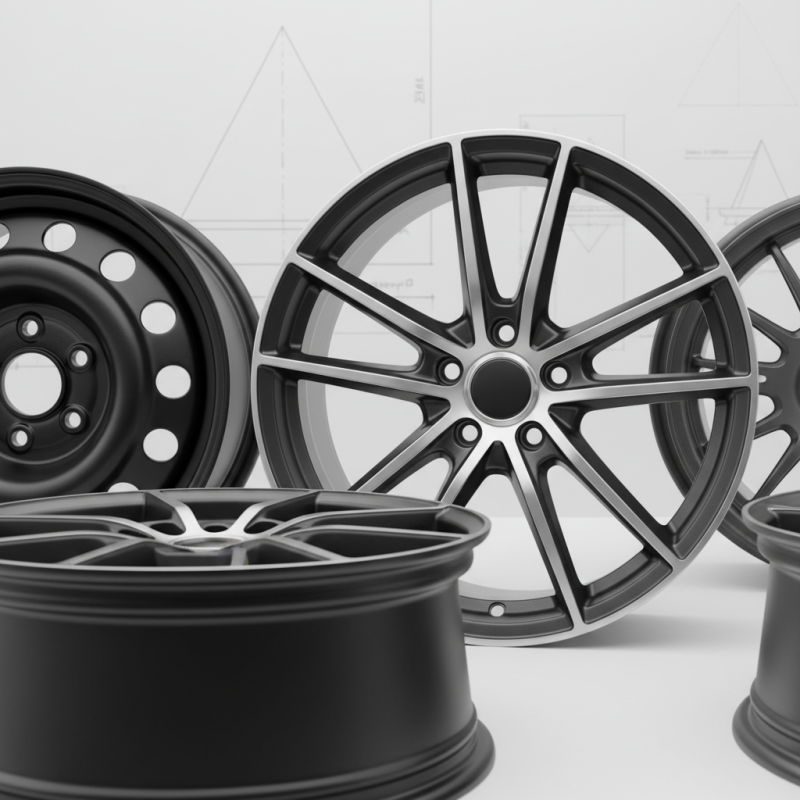
2026 Top Wheel Rim Types What is Their Maximum Load Capacity

Overview of Wheel Rim Types in 2026

In 2026, the market offers diverse wheel rim types, each tailored for specific vehicles and uses. Understanding these types is crucial for anyone involved in the automotive industry. Common rim types include alloy, steel, and forged rims. Each type has unique characteristics influencing their performance and maximum load capacity.

Alloy rims are lightweight and provide better heat dissipation. They suit high-performance vehicles. Conversely, steel rims, while heavier, excel in durability and are preferred for rugged conditions. Forged rims offer strength and aesthetic appeal, making them popular among enthusiasts. Remember, selecting the right type affects both safety and performance.

**Tip:** Always check the maximum load capacity before purchasing a rim. Some rims may excel in aesthetics but fall short in load-bearing.

Investing in the right rim type impacts vehicle safety. Misunderstanding specifications can lead to accidents or mechanical failures. Research different options and consult trusted sources to ensure informed decisions.

**Tip:** Regularly inspect your wheel rims for wear. Regular maintenance can prolong their life and boost safety, making it vital to stay vigilant.

2026 Top Wheel Rim Types and Their Maximum Load Capacity

This bar chart showcases the maximum load capacity of various wheel rim types available in 2026. The data reflects the specifications of different materials and designs commonly used in automotive applications.

Understanding Load Capacity and Its Importance

Understanding load capacity is crucial when choosing wheel rims. Each rim type offers different structural integrity and performance. Load capacity refers to how much weight a rim can safely support. Exceeding this limit can lead to tire blowouts and dangerous driving conditions. It's essential to know your vehicle's requirements and match them with the right rim type.

When selecting rims, consider the materials used. Aluminum alloys tend to be lightweight and strong. Steel rims are often heavier but more robust. Evaluate your driving habits. If you're often on rough terrain, heavier rims may be a better choice.

Tips: Always verify the specifications before purchasing. Proper maintenance of rims influences their load capacity. Inspect for cracks or deformities regularly. Avoid overloading your vehicle to maintain safety. Ensuring the correct fitment can improve performance and longevity.

2026 Top Wheel Rim Types - Maximum Load Capacity

Wheel Rim Type Material Diameter (inches) Width (inches) Maximum Load Capacity (lbs)
Alloy Rim Aluminum 17 8.5 1,500
Steel Rim Steel 16 7.0 1,800
Carbon Fiber Rim Carbon Fiber 18 9.0 1,200
Forged Rim Aluminum 19 10.5 2,000
Cast Rim Aluminum 20 8.0 1,600

Factors Influencing Maximum Load Capacity of Wheel Rims

When evaluating wheel rims, maximum load capacity is crucial. Several factors determine this capacity, including material strength, rim design, and manufacturing quality.

Material choice greatly influences weight-bearing abilities. Steel rims often withstand heavy loads but can be heavy themselves. Aluminum rims, while lighter, offer less strength in some designs. It's important to assess these trade-offs based on intended use.

Design also plays a significant role. A well-engineered rim distributes weight evenly, reducing stress on specific areas. A poor design can lead to deformation under heavy loads. Regular inspection can help identify potential weakness in rims, especially after extensive use.

Tips: Always verify the load ratings provided by the manufacturer. Consider upgrading rims if you notice signs of wear. Consult with a professional for tailored advice on choosing the right rim for your vehicle’s needs. These small steps can make a big difference in safety and performance.

Comparison of Different Wheel Rim Types and Their Load Capacities

When choosing the right wheel rim type, understanding load capacity is crucial. Different rims are designed for various applications. For example, steel rims are commonly used in trucks because of their impressive load capacities. They can withstand heavy weights, making them ideal for transporting goods. In contrast, aluminum rims are lighter and often preferred for passenger vehicles. They offer a good balance of strength and weight but may have lower load capacities compared to steel rims.

Furthermore, performance rims are engineered for high-speed applications. These rims can usually handle significant loads, but their design prioritizes speed over durability. Despite this, they may not be suitable for everyday use, as the demands on the rim can exceed what they can tolerate. It’s essential to match the rim type with your specific needs. A mismatch could lead to safety concerns or increased wear.

Some user reviews suggest aluminum rims might bend under heavy loads. This drawback might be something to consider if carrying heavier loads. It is imperative to weigh the pros and cons of each rim type. Rims are not just accessories; they are vital to vehicle performance and safety. Understanding the nuances of wheel rim types can guide you to make better decisions.

Applications of Wheel Rims Based on Load Capacity

When selecting wheel rims, understanding load capacity is crucial. Different applications require specific rim types. For example, light-duty vehicles typically use rims rated at 1,200 to 1,600 pounds. In contrast, heavy-duty trucks might need rims that can support 6,000 pounds or more. This variance affects performance and safety.

Rims with higher load capacities are essential for commercial trucking. The American Trucking Association reports that 75% of U.S. freight is transported by trucks. Thus, utilizing the correct rim can prevent catastrophic failures. Additionally, incorrect rim sizes can increase wear on tires, leading to more frequent replacements.

Tip: Always check the manufacturer’s load rating before purchasing rims. This ensures compatibility with your vehicle's needs. Regular inspections can also help identify any signs of wear and tear.

Choosing the right load capacity should involve careful consideration. Rims that are too small can compromise safety, while oversized rims might affect handling. Proper education on rim types can save costs in the long run. Remember, every application has unique requirements to ensure efficiency and safety.

FAQS

: What is load capacity?

: Load capacity is the maximum weight a wheel rim can safely support.

Why is load capacity important?

Exceeding load capacity can lead to tire blowouts and unsafe driving conditions.

How do materials affect load capacity?

Aluminum alloys are lightweight. Steel rims are heavier but can support more weight.

What should I consider when buying rims?

Assess your driving habits and the terrain you drive on. Heavier rims may be better for rough situations.

How can I maintain load capacity?

Regularly inspect rims for cracks. Proper maintenance helps maintain their load capacity.

Can rim design influence performance?

Yes, well-designed rims distribute weight evenly. Poor designs can cause deformation under heavy loads.

Is there a difference in rim capacity for trucks and passenger vehicles?

Yes, steel rims for trucks have higher load capacities. Aluminum rims may suit lighter passenger vehicles better.

What happens if I overload my vehicle?

Overloading can compromise rim integrity and lead to safety risks.

Should I upgrade my rims?

Consider upgrading if you notice wear signs or if your needs have changed.

Can performance rims be used for daily driving?

Performance rims handle significant loads but prioritize speed. They may not suit everyday use.

Conclusion

The article titled "2026 Top Wheel Rim Types: What is Their Maximum Load Capacity" provides a comprehensive overview of various wheel rim types available in 2026 and delves into their load capacities. Understanding load capacity is critical for ensuring safety and efficiency in vehicle performance, making it an essential aspect of wheel rim selection. The article discusses the key factors that influence the maximum load capacity of wheel rims, including material strength, design, and manufacturing processes.

Furthermore, the discussion includes a comparison of different wheel rim types, highlighting their maximum load capacities, which helps readers make informed decisions based on their specific applications. By categorizing these rims according to their load capacities, the article serves as a valuable resource for users needing to match wheel rims to their load requirements, ensuring optimal performance and safety in various driving conditions.

Sophia

Sophia

Sophia is a dedicated marketing professional with an exceptional depth of knowledge about her company's products and services. With a keen understanding of market trends and customer needs, she crafts insightful blog posts that not only inform but also engage readers, enriching the company’s online......