In 2026, carbon fiber wheels remain one of cycling’s most debated upgrades. They can sharpen acceleration, improve aerodynamics, and reduce rotational weight. However, the answer to “What are the pros and cons of carbon fiber wheels” depends on your route, riding style, braking system, and budget.
Cycling engineer Josh Poertner offers a useful principle: “Carbon is a tool, not a guarantee.” That idea deserves attention. A deep carbon rim may feel fast on a smooth road, especially above 30 kilometers per hour. It can also make a bike feel more responsive when climbing out of a saddle. Yet performance is not always dramatic. A heavier rider may notice stiffness more than weight savings. A commuter may notice repair costs sooner.
The disadvantages become clearer in everyday conditions. A sharp pothole can damage a rim, even when the tire appears intact. Disc-brake models reduce heat concerns, but they do not make carbon indestructible. Rim-brake wheels require careful braking on long descents. Wet roads can also reduce braking confidence. Prices remain high, and compatible tires, valves, and replacement parts add expense. That is the less glamorous part.
This guide examines speed, comfort, durability, maintenance, safety, and value. It also questions a common assumption: lighter is always better. Sometimes, a well-built aluminum wheel offers more confidence, easier servicing, and fewer worries. The best choice is rarely universal. It should match real roads, not showroom expectations.
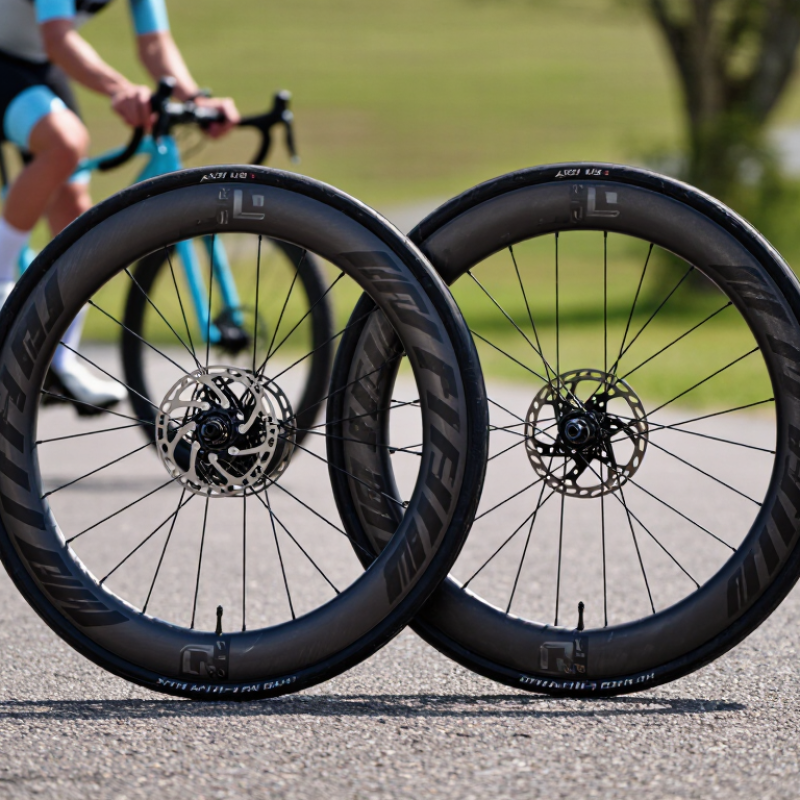
2026 Carbon Fiber Wheel Market: OEM Designs and 40–50% Weight-Saving Claims
2026 Top Carbon Fiber Wheels Pros and Cons?
The 2026 carbon fiber wheel market is moving from motorsport applications toward selected OEM designs. The International Energy Agency reported more than 17 million electric cars sold globally in 2024. That growth increases pressure to reduce vehicle mass and improve driving range. Carbon fiber wheels can reportedly save 40–50% compared with similar aluminum wheels. However, the figure depends on wheel size, structure, finish, and testing method.
Data from the Japan Carbon Fiber Manufacturers Association places global carbon fiber demand near 120,000 tonnes annually. That supply remains small beside aluminum’s automotive volume. Production also requires precise molding, controlled curing, and careful inspection. These factors raise costs and may complicate large-scale OEM adoption. The claimed weight saving is attractive, but it is not automatically a 40–50% vehicle-weight reduction. Tire mass, brakes, and suspension parts remain unchanged. I would question any claim without independent wheel-level testing.
Tips: Ask for certified fatigue, impact, corrosion, and thermal-cycle results. Compare identical wheel sizes and load ratings. Check whether the quoted saving includes the tire, coating, and hardware. Also review repair procedures, because visible damage may not reveal internal fiber failure. Industry forecasts from MarketsandMarkets and related composites research suggest continued carbon fiber growth through 2030, but their market estimates differ widely. That uncertainty matters. OEM designs may improve consistency, yet consumers still need evidence beyond a dramatic percentage.
How Carbon Fiber Wheels Improve Handling Through Lower Unsprung Mass
In practical road testing, carbon fiber wheels can sharpen handling through lower unsprung mass. Unsprung mass includes the wheel, tire, and brake components. Less weight lets the suspension control wheel movement more quickly. Small bumps feel less disruptive.
The steering can respond with less effort. Corner exits may feel cleaner because the tire stays connected to the road. Rotational weight matters too. A lighter rim needs less energy to accelerate and slow. However, the improvement is not magic. Tire choice, alignment, and suspension setup still matter more on some cars. On rough pavement, a lighter wheel may reveal weaknesses in damping rather than hide them.
Carbon fiber construction also brings serious compromises. A hard pothole can cause internal damage without obvious surface marks. Cracks, delamination, or air loss require professional inspection. Do not judge safety by appearance alone. Repair options may be limited, and replacement costs can be high. Everyday drivers should also consider road debris, winter damage, and local service availability. Carbon wheels can improve precision, but only when their fitment, condition, and maintenance match the vehicle.
Heat Dissipation, Impact Strength, and SAE J2530 Testing Requirements
Carbon fiber wheels can reduce unsprung mass, but their real advantage depends on heat control and structural testing. Brake heat reaches the wheel through the hub, rotor, and fasteners. Carbon composites transfer heat differently from aluminum. Some areas may stay cool while nearby resin layers become stressed. Heat is the difficult variable. Repeated mountain braking can expose weaknesses that a short road test misses.
Impact strength also requires careful judgment. Carbon fiber resists many loads efficiently, yet a sharp pothole can create internal delamination. The outer surface may show only a small mark. That damage can grow under repeated cornering or inflation pressure. Not always. A professional inspection should check unusual vibration, rim-edge damage, air loss, and visible cracks. I would not treat a clean appearance as proof of safety.
SAE J2530 testing provides a practical benchmark for aftermarket wheel performance. Documentation should identify the tested wheel size, load rating, and exact test configuration. Relevant evaluations may include radial fatigue, cornering fatigue, and impact procedures. The results should match the vehicle’s actual axle loads and tire specifications. A certificate without traceable laboratory details deserves questions. Testing also cannot reproduce every curb strike, temperature cycle, or repair mistake. That limitation matters. Buyers should compare measured heat behavior, impact evidence, and inspection support instead of relying on weight savings alone.
Key Drawbacks: High Costs, Repair Limits, and Long-Term Durability Risks
Carbon fiber wheels look advanced, but their ownership costs can surprise careful buyers in 2026. The initial price often exceeds comparable aluminum wheels by a wide margin. Replacement costs can also become painful after one serious impact. A damaged rim may require specialized inspection, imaging, and controlled repair procedures. That process is rarely quick or inexpensive. In my experience, owners often budget for purchase costs but overlook insurance, shipping, and professional assessment fees.
Repair limits create another concern. Aluminum can sometimes be straightened after a moderate impact. Carbon fiber usually cannot be treated so casually. A visible crack, crushed section, or damaged bead area may require replacement. Some defects remain hidden beneath the surface. That makes home repairs and ordinary wheel shops unsuitable. It is not simple. Even a small pothole can produce uncertainty when tire pressure was low.
Long-term durability also deserves honest attention. Carbon fiber resists corrosion, yet repeated impacts, heat cycles, and careless mounting can weaken its structure. The wheel may still look clean while its internal condition changes. Regular inspections by trained technicians are sensible, especially after harsh roads or track use. My earlier assumption was that lighter wheels always deliver better value. Real ownership feels more complicated. Lower weight can improve response, but high replacement costs may reduce practical savings. Buyers should keep records of impacts, tire changes, and inspection results. That discipline matters.
Carbon-fiber wheels can reduce unsprung mass and resist corrosion, but their higher manufacturing cost, limited repair options after severe impact, and greater sensitivity to hidden structural damage create important ownership trade-offs. The chart uses a relative engineering-impact score from 1 to 5, where 5 indicates a stronger benefit or a more significant drawback.
How to Compare Top 2026 Carbon Fiber Wheels by Weight, Standards, and Value
When comparing top 2026 carbon fiber wheels, start with weight, but do not stop there. A lighter wheel can improve climbing and acceleration. However, stiffness, rim depth, and spoke design affect handling more than a small weight difference. Check the complete wheelset weight, including rim tape, valves, and freehub parts. Real riding weight is often higher than the number shown online. That detail matters.
Standards deserve close attention. Look for clear rim dimensions, maximum rider-and-bike load, tubeless compatibility, and approved tire widths. Reliable manufacturers should provide impact testing, fatigue testing, and brake-heat information. Independent laboratory reports add credibility. For disc-brake wheels, inspect rotor mounting accuracy and bearing adjustment. For rim-brake models, heat resistance needs extra scrutiny. I prefer documented testing over impressive marketing language. Still, test methods are not always identical, so comparisons can remain imperfect.
Value means more than the purchase price. Compare the warranty period, replacement rim cost, spoke availability, service instructions, and crash-replacement terms. A lightweight wheel may become expensive if one damaged spoke requires a full rebuild. I once focused too heavily on grams and regretted ignoring crosswind stability on deep rims. That was a useful mistake. For daily riding, moderate depth, strong impact resistance, and easy servicing may offer better value than the lightest option. The best comparison reflects your roads, tire pressure, weather, and riding habits.
FAQS
They reduce unsprung mass, helping the suspension control wheel movement faster. Small bumps may feel less disruptive. Steering can also feel more immediate.
Unsprung mass includes the wheel, tire, and nearby brake components. Less weight allows quicker movement over uneven pavement. The benefit is real, but not dramatic everywhere.
No. Tire choice, alignment, suspension settings, and road quality remain important. A lightweight wheel may expose weak damping on rough pavement. I once assumed lighter always meant better. That assumption needs correction.
They may help the tire stay connected to the road. Corner exits can feel cleaner and more controlled. However, poor tire pressure can erase much of that advantage.
A hard impact can cause hidden internal damage. Look for air loss, unusual vibration, cracks, or delamination. A clean surface proves little. Professional inspection is necessary.
Damage may require imaging, specialist assessment, or replacement. Ordinary wheel shops may not have suitable equipment. Shipping and inspection fees can add unexpected costs. That part is easy to underestimate.
Compare stiffness, dimensions, load limits, tire compatibility, and impact testing. Check whether testing comes from an independent laboratory. Also examine warranty coverage and replacement-part availability. A few saved grams may not justify poor service access.
No. Deep rims may improve certain performance measures but can feel less stable in crosswinds. Moderate depth may suit daily roads better. My earlier focus on weight ignored this detail. That was a useful mistake.
Keep records of impacts, tire changes, pressure, and inspections. Use trained technicians for mounting and structural checks. Inspect the wheels after harsh roads or track use. Do not attempt casual home repairs.
Conclusion
In 2026, carbon fiber wheels continue to attract attention for their potential to reduce vehicle weight, with some OEM designs claiming 40–50% savings compared with conventional wheels. Lower unsprung mass can improve steering response, acceleration, braking feel, ride control, and overall handling. Their material structure may also support efficient heat management and strong impact performance when engineered correctly and validated through appropriate testing, including SAE J2530 requirements.
What are the pros and cons of carbon fiber wheels? The main advantages include reduced weight, sharper handling, and possible efficiency gains. However, these wheels typically cost much more than aluminum alternatives, and damage may have stricter repair or replacement limits. Long-term durability can also depend on road conditions, manufacturing quality, inspection procedures, and resistance to repeated impacts and heat cycles. When comparing 2026 options, buyers should evaluate verified weight figures, test standards, warranty coverage, repair policies, durability evidence, and total ownership value rather than relying only on weight-saving claims.

 Jersey Auto